
How to Design Fantasy Calendars and Time Systems for Your Storyworlds
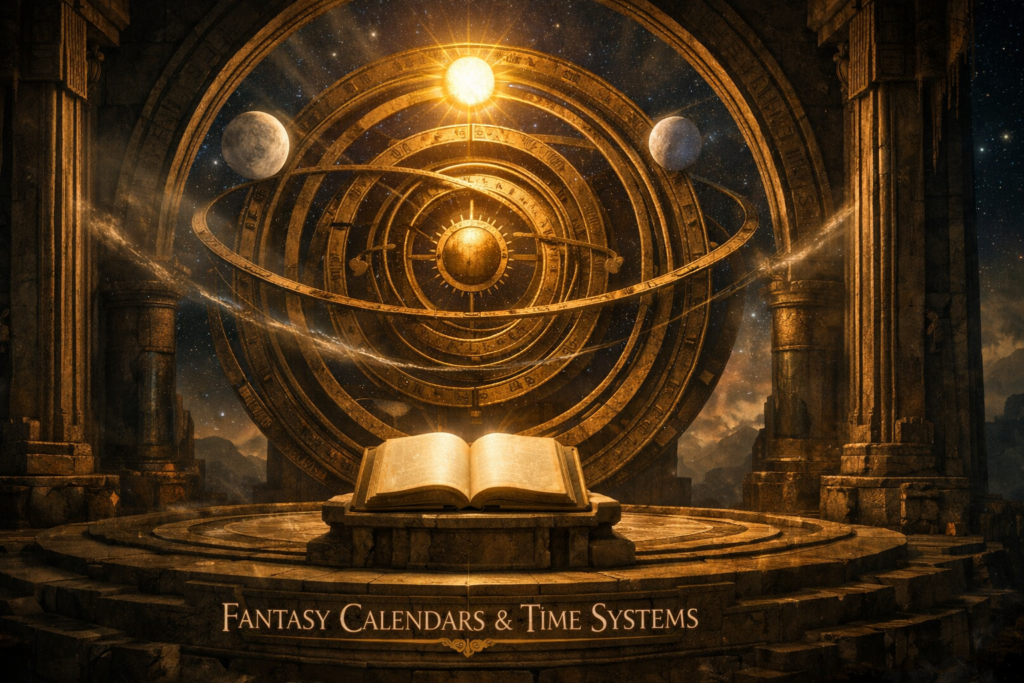
It is time, one of the most significant and neglected aspects of fantasy worldbuilding. With space being defined by maps and identity by cultures, the calendar defines rhythm. The time system is well structured that influences rituals, seasons, conflicts, traveling, politics, and even magic. The world becomes alive when time is meant, or intended.
This article discusses how authors and worldbuilders may create realistic fantasy calendars and time systems that facilitate storytelling, instead of making it more complex. Be it a fresh setting or a tabletop campaign, the time is structured so that it puts your world into perspective and internal coherence.
Table of Contents
Why Time Systems Matter in Fantasy Worlds
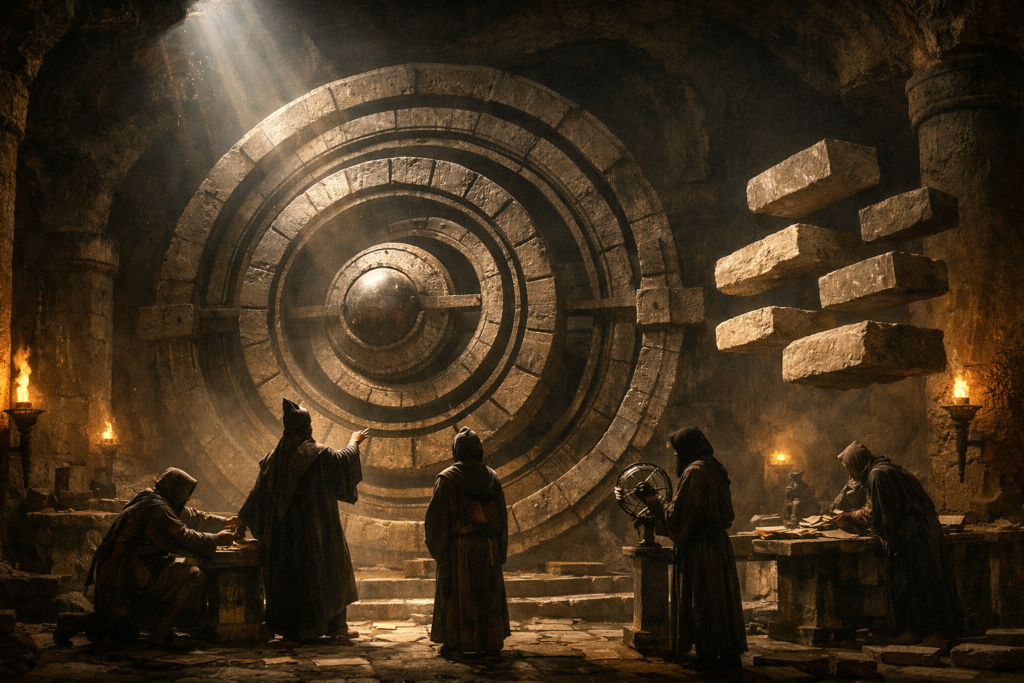
In actual life, time dictates action. Planting of crops is done at a certain time of the year. Religious holidays take place on predetermined dates. Wars pause for winter. Trade depends on cycles. Similar limitations should be reflected in fantasy worlds.
An effective time system assists writers in responding to respond to real life questions. How long does a journey take? How old is a character? What is the rate at which magic regenerates? At what times do the heavenly happenings take place? These questions have no clear calendar and therefore tend to give inconsistencies.
Narrative pressure is also produced by time systems. Counting days makes deadlines real. When weighed, long winters are oppressive. Divine dates are heavier when the reader realizes they are divinely rare.
Try Summon Worlds for free.


Start With the Natural Cycles of Your World
Any calendar starts with astronomy. Study the physical make-up of your world, then name days or months.
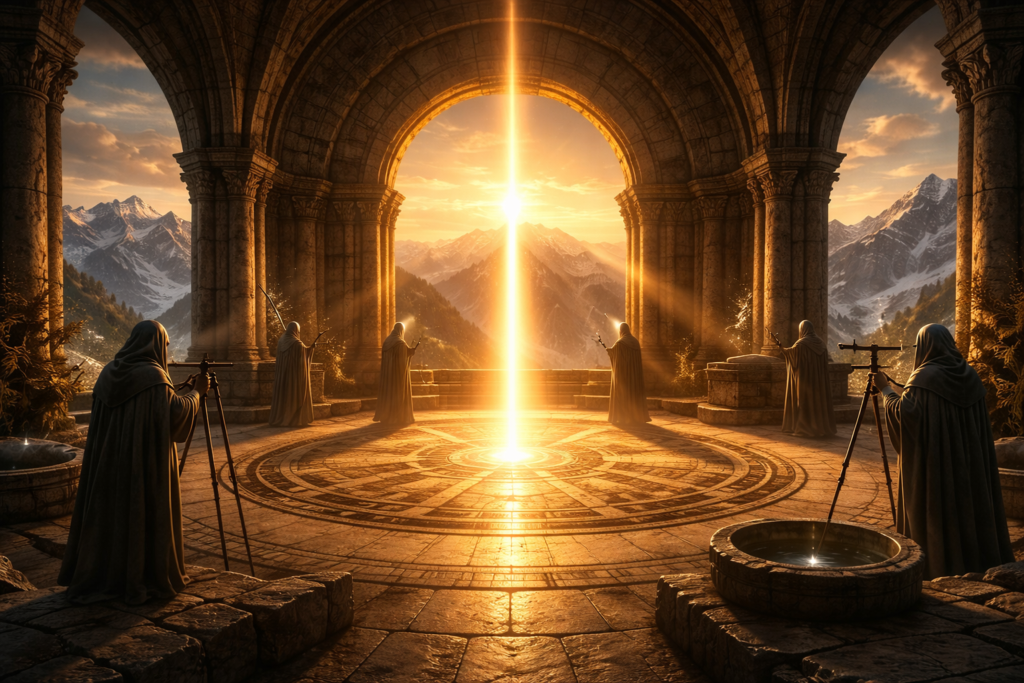
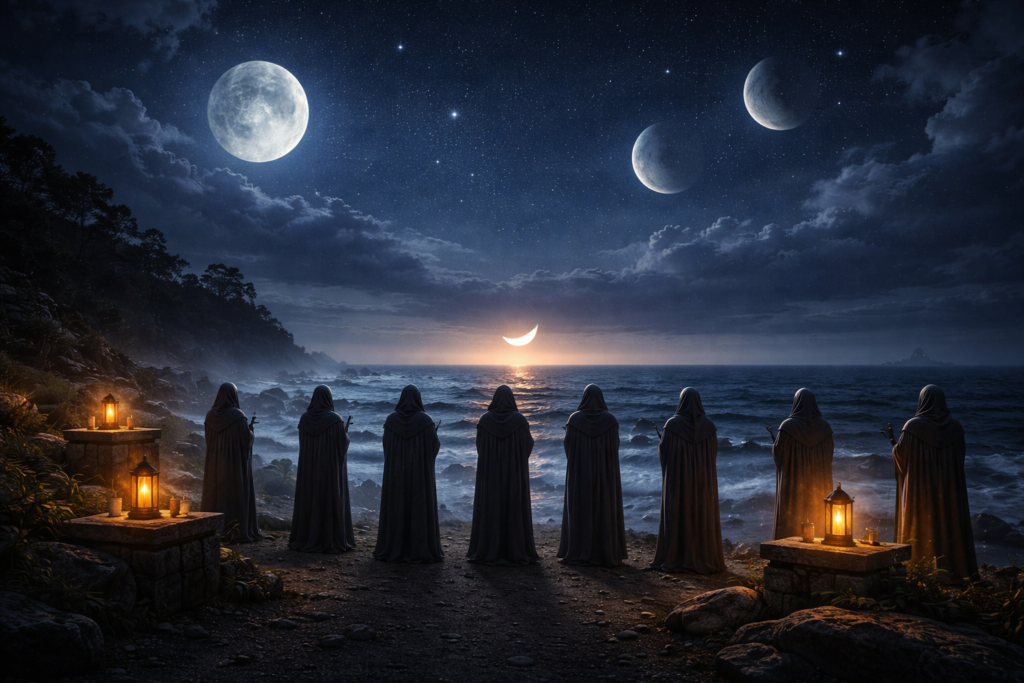
Ask whether there is one sun in your world or many. Think about the number of moons and how they are affecting the tides, magic, or rituals. Choose the duration of a day and seasons in a regular or erratic way.
In case your world is tilted to the extreme, either winter or summer may last forever. In case eclipses are repeated, they may influence religion or prophecy. Time systems are perceived to be rooted when they occur naturally due to planetary occurrences.
Define the Length of a Year
Create Months With Cultural Meaning
Months give time to make history. Rather than calling months by numbers, which will be meaningless, assign some meaning.
A month can be named after a harvest, a god, a historical event, or a heavenly appearance. A war that had been over in a month may be renamed permanently. A month can be spared for weddings or coronations that are cursed.
Such names make the reader perceive the time lapse as he/she hears of the world, its past. They also construct natural hooks of stories without expository additions.
Design Weeks and Days With Purpose
Weeks do not have to be seven days. Certain cultures can be lunar cycles. The rest patterns and work patterns may be divided by others.
Make decisions concerning the organization of days. Are there formal rest days? Are the markets cyclical in nature? Are there only some days when courts meet? This information is a part of everyday life and gives societies a sense of order.
Day naming after deities, virtues, or the stars strengthens culture. Justice is another word with a different color compared to conquest.
Account for Festivals, Holy Days, and Irregular Events
Calendars are easy to remember when a disruption is added. Festivals, solstices, eclipses, and intercalary days are disruptions of the normal, and they form history.
Other cultures correct their calendar and add additional days. These days could be dreaded, feasted, or magic days. Others could be robbed of days in heavenly circumstances or godly intervention.
The irregular time events are particularly helpful in telling stories. The prophecy that is triggered every half century is even more tension-filled when the calendar brings out the rarity.
Consider How Different Cultures Track Time
All cultures in your world do not need to use the same calendar. Empires can use formal systems, whereas the countryside can use seasonal time. Religious groups will keep time in a different way than Mercury or scholars.
Indispensable calendars may lead to political tension, business wrangles or misinterpretations. What is a celebration day in one society will be mourning in another.
In a case of several systems, select one dominant reference to the reader but mention the rest in the discussion or legend.
Link Time to Magic and Technology
Fantasy worlds tend to have time being a direct influence on magic. The regeneration of spells, ley line cycles, portals, and rituals can be based on certain dates or astronomical alignments.
Timekeeping can also be constructed by technology. Mechanical clocks will emerge only in developed societies. Others may have to use sundials, star charts, or sacred chants.
These relations strengthen inner logic. When power is in time, it no longer remains in the background of the world but is a part of its rules.
Keep the System Understandable for the Audience
Lore may be complicated with complex calendars, but it should be understandable. The reader is not supposed to follow the story with the help of a chart.
Use familiar anchors. It is better to use seasons, festivals, or lengths than exact dates. Present calendar information slowly but not elaborately.
When your behind-the-scenes system is a complex one, make what is on the page look simpler. Invisible detail is more important than visible detail.
Use Time to Shape History and Memory
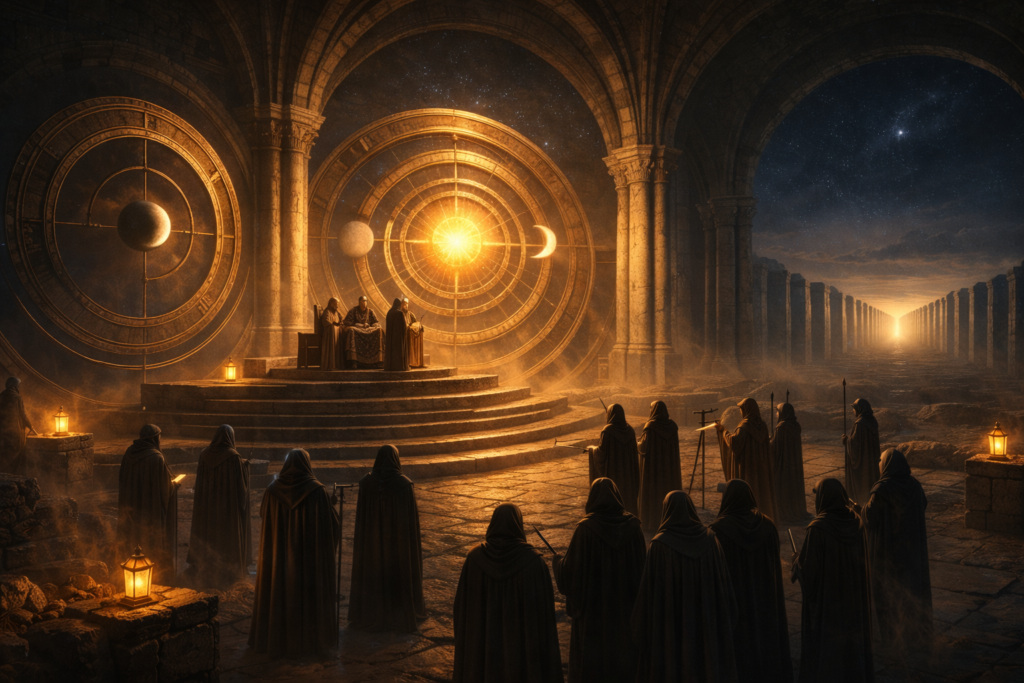
Calendars preserve memory. They document wars, reigns, disasters, and miracles. The history of a society tells us what a society cherishes.
There are cultures that count the years since the establishment of a city. Others measure time with an event of god or a calamity. These decisions are disclosures of belief and worldview.
Culture-wise and knowledge of history, when characters mention dates, we know that these characters have the same perspective. Time is made a trifle narration instrument.
Authors with a need to arrange timelines, historic periods, and systems of the world that could interact would frequently resort to such websites as Summon Worlds to ensure time, folklore, and narrative structure are consistent.
Conclusion
The creation of a fantasy calendar does not entail the creation of names or numbers. It is about creating rhythm. Behavior, belief, conflict, and consequence are all products of time. A good time system is developed as a result of the natural regulations of the world, and it is a mirror of the culture of its people. When in good taste, it enhances immersion without making itself noticeable.
When writers treat time as a structural component but not a decoration, it gives their storyworlds the beat that the reader can feel, although they may never be told about it directly.
If you want to know more about the way a time system operates within a living environment, you can find a well-developed storyworld page as a helpful context and source of inspiration. Explore more!
Readers interested in honing the structure of aspects of their worlds, such as calendars, naming systems, and continuity, can also find the reading of How to Build Fictional Worlds That Drive Your Plot
Institutions are indicative of what a culture values. Ideology is likely to be maintained in their names. A society in which or
Start building your World!
Disclaimer: Summon Worlds and the content on summonworlds.com are not affiliated with, endorsed by, or sponsored by Wizards of the Coast LLC. Dungeons & Dragons, D&D, and related terms are registered trademarks of Wizards of the Coast. Any references to D&D game mechanics, settings, or terminology are made for educational, commentary, and fan content purposes only. This blog does not reproduce or distribute official D&D content. All original ideas, characters, and creative content in this post are the intellectual property of OpenForge LLC, the parent company of Summon Worlds.