
Fantasy naming tool
Medieval Name Generator
Create medieval names shaped by region, period, social standing, and role. Choose the details yourself or let fate decide.
Up to 15 local name suggestions · Save a favorite as a Character
Medieval name generator
Build your medieval name
0 of 3 essentials selected
Ready to find their name?
We’ll create up to 15 unique local name suggestions from these choices.
A name for every story
Medieval name ideas
Browse medieval male names, medieval female names, knight names, noble names, and names inspired by everyday medieval roles.
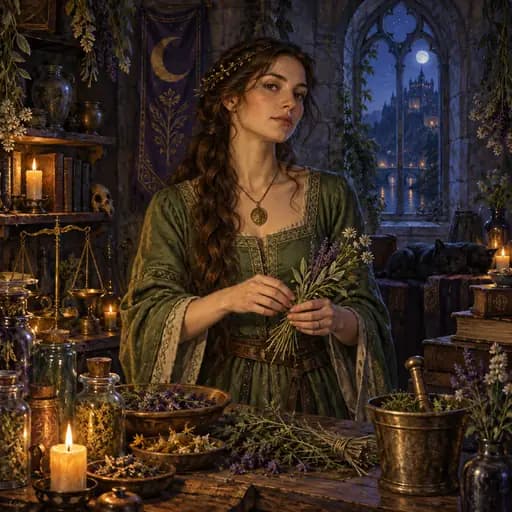
Medieval female names
Explore medieval girl names and medieval women’s names, from a village healer to a courtly storyteller.
- Aveline de Clare
- A French-influenced given name with a place-based family form.
- Ines de Toledo
- An Iberian-inspired name that connects a character to a city.
- Astrid of Vestfold
- A Norse-inspired given name paired with an English rendering of a place byname.
- Beatrice da Siena
- An Italian-inspired form with a sense of local belonging.
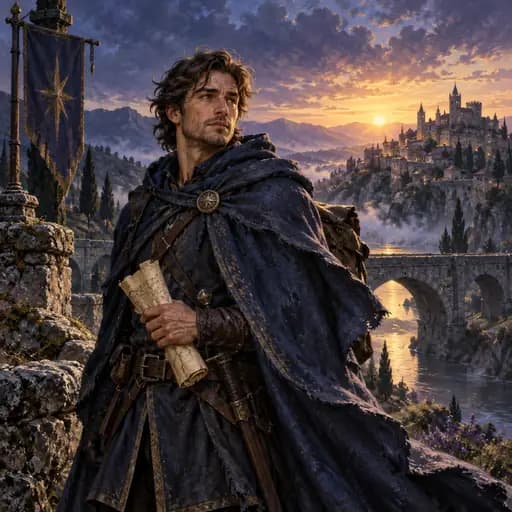
Medieval male names
These medieval boy names and men’s names offer different rhythms for travelers, scholars, and everyday characters.
- Edmund of Ashford
- An English-inspired given name with a locational byname.
- Thibaut de Valmont
- A French-inspired name with a courtly cadence.
- Rodrigo de Leon
- An Iberian-inspired combination for a traveler or noble.
- Matteo da Lucca
- An Italian-inspired name grounded in a town.
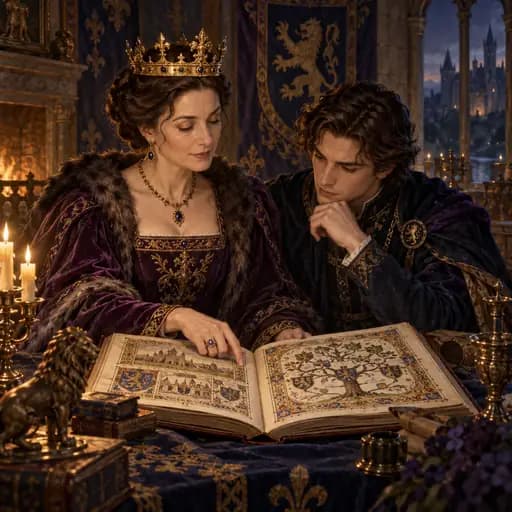
Noble and royal medieval names
Let a title suggest social standing while a family or place name gives the character roots.
- Lady Eleanor Clare
- An English-language title with a restrained family-name form.
- Queen Isabeau de Valmont
- A French-inspired identity framed by a royal title.
- Lord Albrecht von Falkenau
- A Germanic-inspired name with a territorial connection.
- Sovereign Theodora Doukas
- A Byzantine-inspired name with an English rendering of rank.
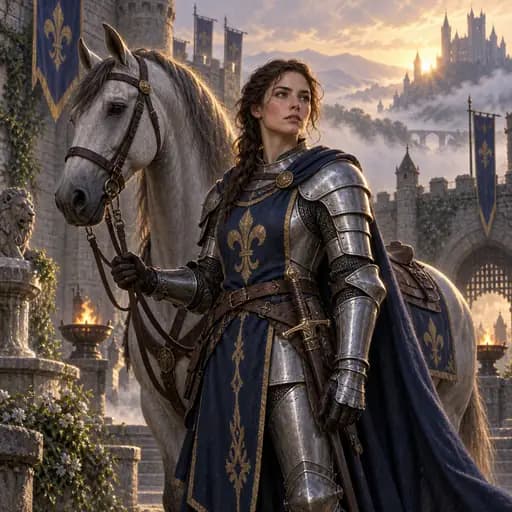
Knight names
Use this medieval name generator as a knight name generator: choose an occupation, then decide their standing and reputation.
- Dame Aveline Clare
- A formal name for a knight serving a noble household.
- Sir Edmund the Steadfast
- An epithet makes a reputation part of the name.
- Dame Beatrice da Siena
- A place connection gives a traveling knight a home.
- Knight Rhys of Gwynedd
- A Welsh-inspired given name with an English title and byname.
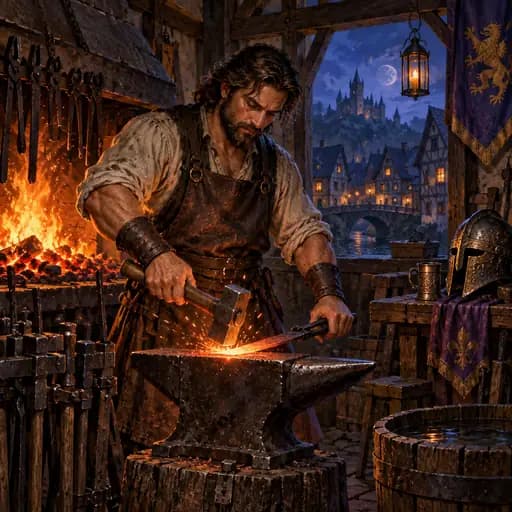
Commoner and trade names
Give farmers, blacksmiths, healers, and scribes memorable names without making every character sound like royalty.
- Alice the Weaver
- A given name and a trade distinguish a familiar village face.
- John the Miller
- An occupational byname can connect a person to a useful local place.
- Mila the Herbkeeper
- A Slavic-inspired given name with a translated creative byname.
- Guido the Scribe
- An Italian-inspired name that signals a storytelling role.
The anatomy of a name
How medieval names and surnames were formed
These creative structures help a name describe a person’s place in your world. Their historical use depends on the culture and century.
- Given names
- The personal name at the center of an identity. A single name may be all a scene needs.
- Parent-based names
- A name can identify a parent. The language and form depend on the community, rather than one universal suffix.
- Place-based bynames
- A town, estate, or landscape can distinguish one person from another and suggest where their story began.
- Occupational names
- A trade can become a useful everyday identifier. Whether it is inherited is a separate question.
- Descriptive bynames and titles
- A reputation or rank adds another layer. Give the formal court and the local village different ways of addressing someone.
From a name to a person
How to choose a medieval name that fits
A few deliberate choices can make a character feel at home in a much larger world.
Choose the region or culture
Begin with the community that named the character. Keep the sound and construction connected to that tradition, even in a fantasy world.
Narrow the approximate period
The Middle Ages cover many centuries. An approximate period helps you decide how formal, familiar, or place-specific a name should feel.
Match the name to social standing
A royal household, an artisan’s workshop, and a rural community offer different ways to introduce the same person. A title should serve the character’s place in society.
Add a role or occupation
Think about what people know this character for. Their occupation might supply a byname, but it does not have to replace their personal identity.
Decide whether they need a byname
Use a family name, a parent-based form, a place, or a title only when it adds something useful. A single given name can work perfectly in an intimate scene.
Read the complete name aloud
Try it in dialogue and beside the names of other characters. Keep a form readers can recognize, and use pronunciation guides as suggestions rather than linguistic authority.
Choose the right naming tool
Medieval names or fantasy names?
Medieval Name Generator
Start with a regional and period inspiration. Choose social standing and an everyday role, then decide how much fantasy belongs in the name.
Fantasy Name Generator
Start with a broader fantasy naming palette when a real-world historical period is not the anchor for your story.
Wizard Name Generator
Focus on spellcasters when magic, an order, or an earned magical title should shape the character’s name.
Name a wizard →A little more guidance
Medieval Name Generator FAQ
01How do I use the Medieval Name Generator?+
Choose a region, period, gender, and name format, then add any useful refinements before generating up to 15 unique names. Surprise Me fills the recipe for you. You can copy, explore variations, or export the complete list.
02What makes a name sound medieval?+
A consistent regional inspiration, a suitable given name, and a thoughtful byname or title help create medieval flavor. Start with a place and approximate period instead of mixing unrelated naming traditions simply because they sound old.
03Can I generate medieval male and female names?+
Yes. Choose Woman, Man, or Nonbinary as part of the guided setup. Nonbinary characters can use any naming tradition; the generator does not assume their names or appearance must be neutral. Use the names in stories, historical fiction, tabletop RPGs, roleplay, and worldbuilding.
04Can I generate names for knights, nobles, and commoners?+
Yes. Social Standing and Role or Occupation are separate choices, so you can create a noble knight, commoner healer, royal scholar, or outlaw minstrel. Saving a character does not automatically turn their medieval occupation into a game class.
05Can the generator create medieval names and surnames?+
Choose Given + Family Name, Given + Byname, or Name with Title. Given Name Only keeps the name simple. A byname can suggest a place, occupation, parentage, or reputation; it does not need to be a hereditary surname.
06Are these names historically accurate, and is “mediaeval” the same word?+
The results are medieval-inspired creative suggestions, not verified historical records. Check specialist sources for a specific language, place, and century when accuracy matters. Mediaeval is an alternative British spelling of medieval.
Make it real
Give your medieval character a world to explore
Turn your chosen name into an original character and build the places, relationships, and history around them.