Zombie Apocalypse
Locations
Browse the public locations that belong to this world. Select a card to read more.
Public locations roster

England High-School
England High-School stands as a haunting monument to the catastrophic events of 2030, when the undead plague swept across the realm. Once a beacon of scholarly achievement where ambitious students pursued knowledge between the years 2000 and 2020, the institution has since deteriorated into a crumbling fortress of despair. The principal's fateful decision to seal the gates and lock away the student body—both infected and uninfected alike—transformed the halls of learning into a tomb of tragedy. The basement, where the principal sought refuge, became his prison and eventual grave as the undead consumed him, converting him into the very creature he had condemned others to face. Today, the sprawling campus stands completely abandoned, with nature slowly reclaiming the athletic fields and vines strangling the brick facades. The interior remains a labyrinth of decaying classrooms, overturned furniture, and the lingering echoes of those final desperate days. Broken windows gape like hollow eyes across the structure, while the gymnasium roof has partially collapsed, allowing rain and decay to accelerate the building's deterioration. Travelers who pass by report an oppressive atmosphere that seems to weigh upon the spirit, as if the school itself remembers the suffering contained within its walls. The looming silhouette of England High-School serves as a stark reminder to all who encounter it of humanity's capacity for self-preservation at any cost, and the terrible price that such choices exact upon the innocent.
View details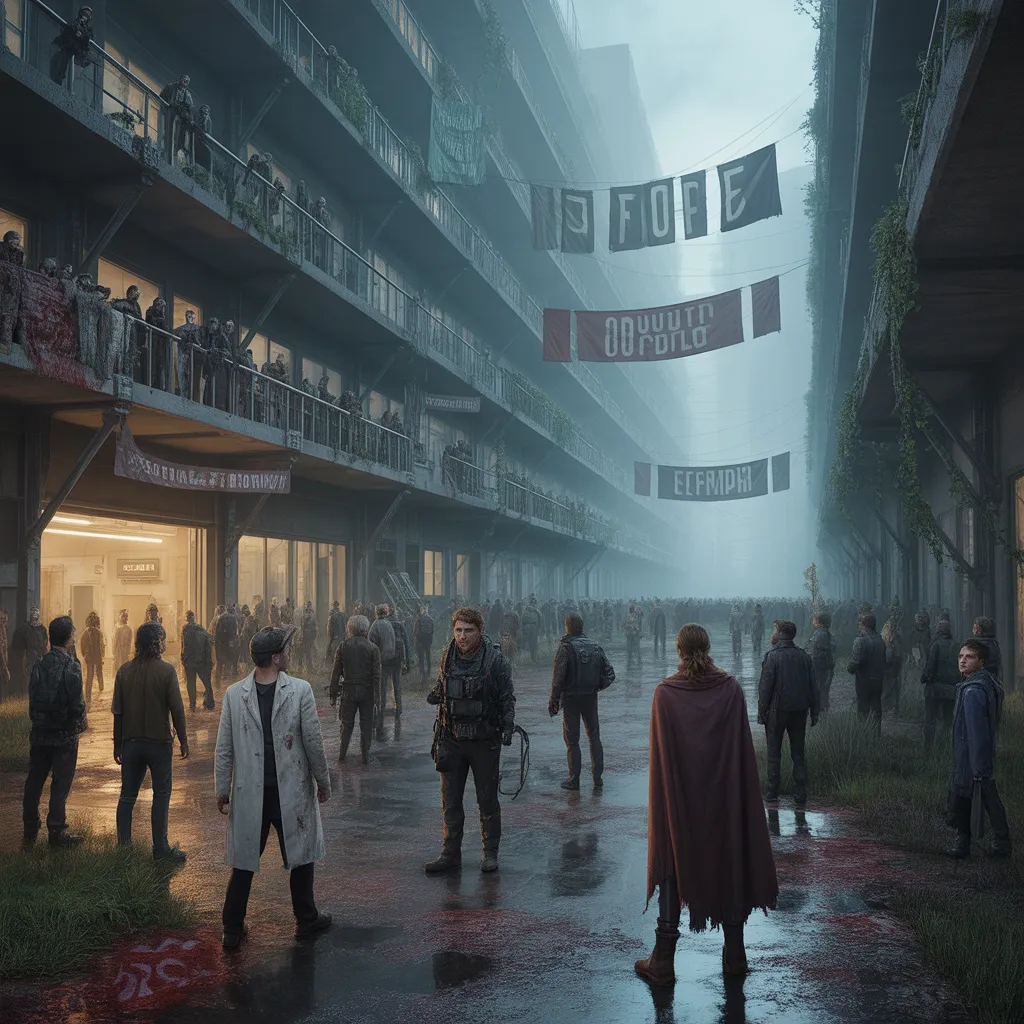
England Experimentation Lab
Nestled in the fog-shrouded moorlands of northern Britain, the England Experimentation Lab stands as a monument to scientific ambition turned catastrophic. Constructed in the early 2020s, this sprawling research facility was initially designed as a cutting-edge medical institute dedicated to prolonging human life and reversing cellular degradation. By 2029, the facility's ambitious researchers believed they had finally cracked the fundamental code of mortality itself, launching an audacious project to resurrect deceased test subjects through a revolutionary viral agent. The experiment succeeded beyond their wildest expectations—and their darkest fears—when the reanimation virus mutated catastrophically, transforming the resurrected subjects into shambling abominations driven by an insatiable hunger for human flesh and neural tissue. In a matter of hours, the lab descended into chaos as the undead researchers, still bearing the tattered remnants of their white coats and ID badges, turned upon their living colleagues and consumed them. Today, the facility remains occupied by these ravenous creatures, who shamble through its darkened corridors and contaminated laboratories in an endless search for sustenance. The walls are stained with decades of decay and biological residue, while the equipment sits dormant, covered in dust and worse substances. Quarantine barriers surround the perimeter, though their effectiveness remains questionable, and brave—or foolish—explorers occasionally venture within seeking answers, artifacts, or simply survival.
View details
England
Once the heart of a vast maritime empire, England now stands as a haunted monument to civilisation's fragility. The nation occupies the substantial eastern portion of the island of Great Britain, its borders defined by the wild Scottish Highlands to the north and the mountainous regions of Wales pressing in from the west. What was once a thriving realm of over fifty million souls has transformed into an expansive necropolis, where the shambling undead shuffle through the crumbling streets of London, Manchester, and countless forgotten villages. The catastrophic plague that swept across the densely populated nation claimed nearly every living inhabitant, leaving behind only the reanimated husks of those who once called this land home. Ancient landmarks like Big Ben and Tower Bridge now serve as eerie monuments, their grandeur swallowed by decay and the moans of the restless dead that congregate in their shadows. The countryside, once carefully cultivated farmland and rolling green hills, has surrendered to wilderness as nature reclaims what humanity abandoned. Survivors are virtually non-existent here, making the entire nation a perilous wasteland where silence is broken only by the shuffling of countless corpses and the wind howling through abandoned motorways. Those rare explorers who venture into this blighted land must navigate not only the overwhelming hordes of undead but also the collapse of all infrastructure, supply chains, and safety that once defined English civilization. The very concept of culture, government, and organised society has been obliterated, replaced entirely by the primal struggle for survival against an enemy that cannot be reasoned with or defeated through conventional means.
View details
Hawaii's Military Vehicles Factory
Hawaii's Military Vehicles Factory stands as a testament to Michael Snyder's foresight, constructed in 2028, three years before the zombie apocalypse began as a bastion of industrial preparedness on the island chain. The facility is encircled by an imposing eight-meter-thick tungsten barrier that forms a complete perimeter around Hawaii's coastline, serving as both fortification and symbol of isolation from the outside world. The factory's primary function centers on manufacturing heavily armored military vehicles designed for rapid transport, inter-settlement trade routes, and emergency evacuation scenarios when survival depends on speed and protection. Each vehicle that rolls from the assembly lines bears sophisticated weaponry, including roof-mounted miniguns and multi-missile launcher systems that require trained operators to deploy effectively. The construction site presents significant hazards—exposed scaffolding, operational machinery, and partially completed structural elements create dangerous working conditions throughout the sprawling complex. Supply chains remain precarious due to the island's isolated position, forcing engineers and laborers to adapt constantly and innovate with available materials. The factory employs hundreds of skilled workers, engineers, and security personnel who maintain both the production operations and the massive defensive wall surrounding the islands. Visitors to Hawaii's Military Vehicles Factory encounter a landscape of organized chaos, where sections of gleaming new construction neighbor weathered foundation work, and the constant sound of machinery echoes across the industrial compound. The factory is essential in creating enough military armored and weaponized vehicles for the entire island of hawaii only.
View details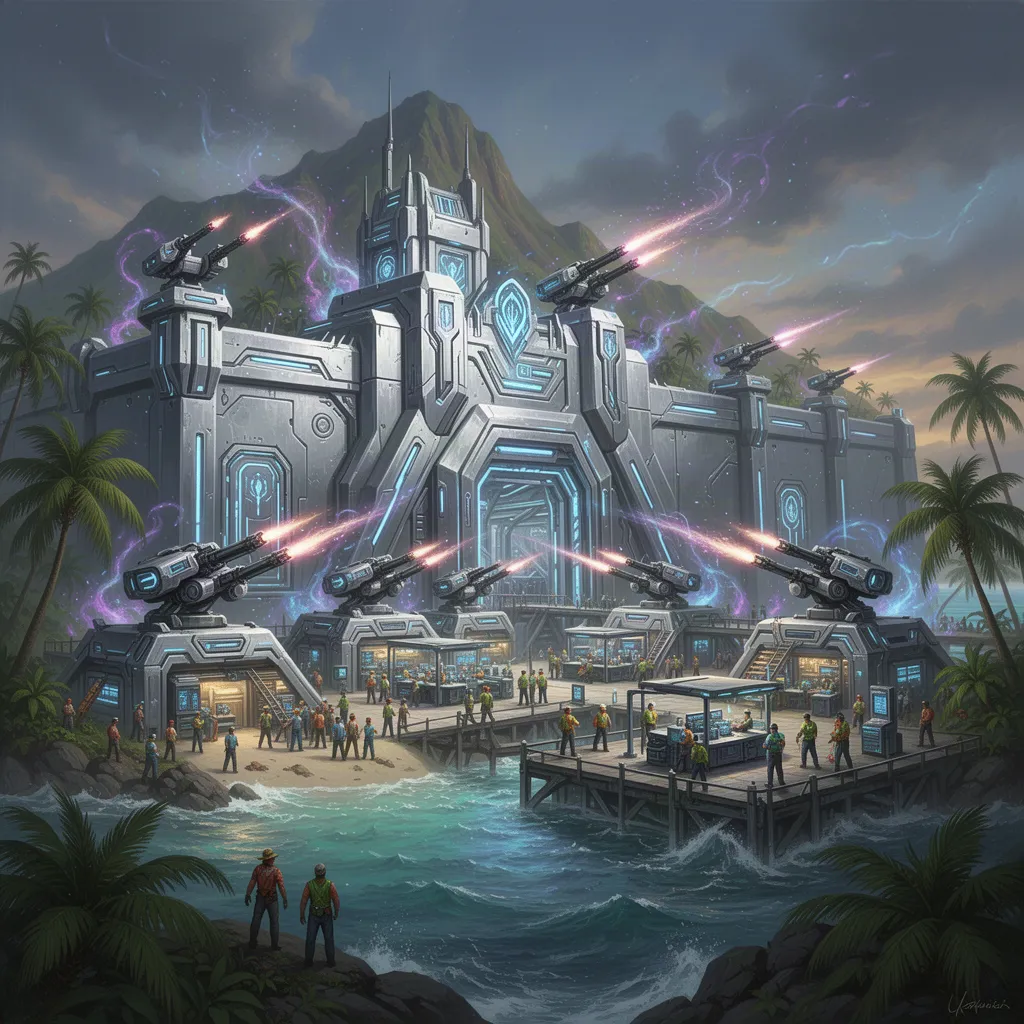
Hawaii's Gun Factory
Nestled within the volcanic archipelago of Hawaii stands one of the most formidable industrial complexes in the known world—Hawaii's Gun Factory, established in 2089 by the visionary military commander Michael Snyder. The facility is encased within an imposing eight-meter-thick tungsten barrier that rings the entire island perimeter, a metallic fortress that gleams against the tropical sun and serves as both protection and symbol of the islands' commitment to self-sufficiency. The outer wall is crowned with an array of sophisticated automated defense systems, including heat-lock sensory turrets capable of launching guided missiles alongside rapid-fire minigun emplacements that maintain constant vigilance against external threats. Since its construction, the factory has become the lifeblood of Hawaiian society, operating at peak efficiency to manufacture and distribute an extraordinary arsenal that ensures every civilian resident maintains an arsenal of twenty weapons across all standard categories, with military personnel receiving additional specialized equipment. The factory's production lines run continuously, churning out firearms, explosives, and precision instruments with mechanical precision, supported by a thriving workforce of engineers, technicians, and craftspeople who take pride in their essential role. The surrounding communities have flourished around this industrial heartland, developing a unique culture where martial preparedness intertwines with daily civilian life, and the rhythmic hum of manufacturing has become as natural as the ocean waves. Visitors to the facility encounter a bustling hub of activity where security checkpoints and administrative offices exist alongside vast warehouses and testing ranges, all maintained in pristine condition. The factory's self-sustaining production capacity ensures that Hawaii will never face shortage or vulnerability, making it the most secure and well-armed territory in existence. Providing safety, weaponry,p
View details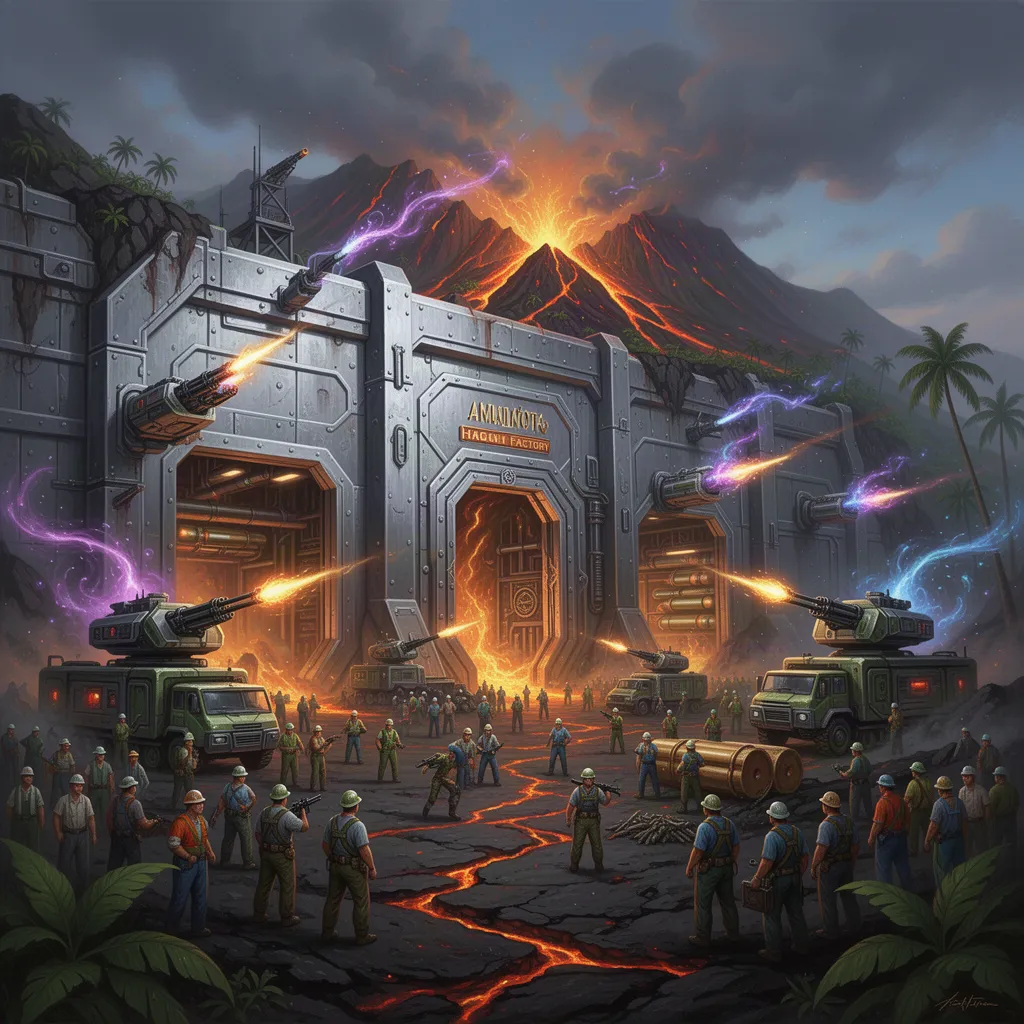
Hawaii's Ammunition Factory
Nestled deep within the remote reaches of Hawaii's volcanic terrain, Hawaii's Ammunition Factory stands as a marvel of pre-apocalypse engineering and post-catastrophe survival. Originally constructed in 1990 as a military-industrial complex, the facility was fortified with an imposing 8-meter-thick tungsten steel outer wall designed to withstand extreme conditions. In 2088, the facility came under the command of Michael Snyder, a decorated former military strategist who recognized its potential three years before the zombie outbreak transformed civilization. Today, the factory remains a beacon of self-sufficiency for the entire island, its automated defense systems—including heat-sensitive missile turrets and rapid-fire miniguns—standing eternal vigil against any threats that approach its reinforced perimeter. The factory's cavernous interior hums with constant activity as skilled technicians and engineers work tirelessly to produce the endless streams of ammunition required to sustain the island's population through the ongoing crisis. Its production capacity has proven more than adequate, allowing Hawaii to maintain complete independence without relying on external trade or supply lines. The facility has become the lifeblood of island security, with ammunition distribution networks extending throughout every settlement and defensive position. Workers take immense pride in their roles, knowing their efforts directly contribute to the survival and prosperity of their communities. The factory's success has transformed it into a symbol of hope, proving that organized, well-maintained infrastructure can enable civilization to not merely endure, but flourish even in humanity's darkest hour.
View details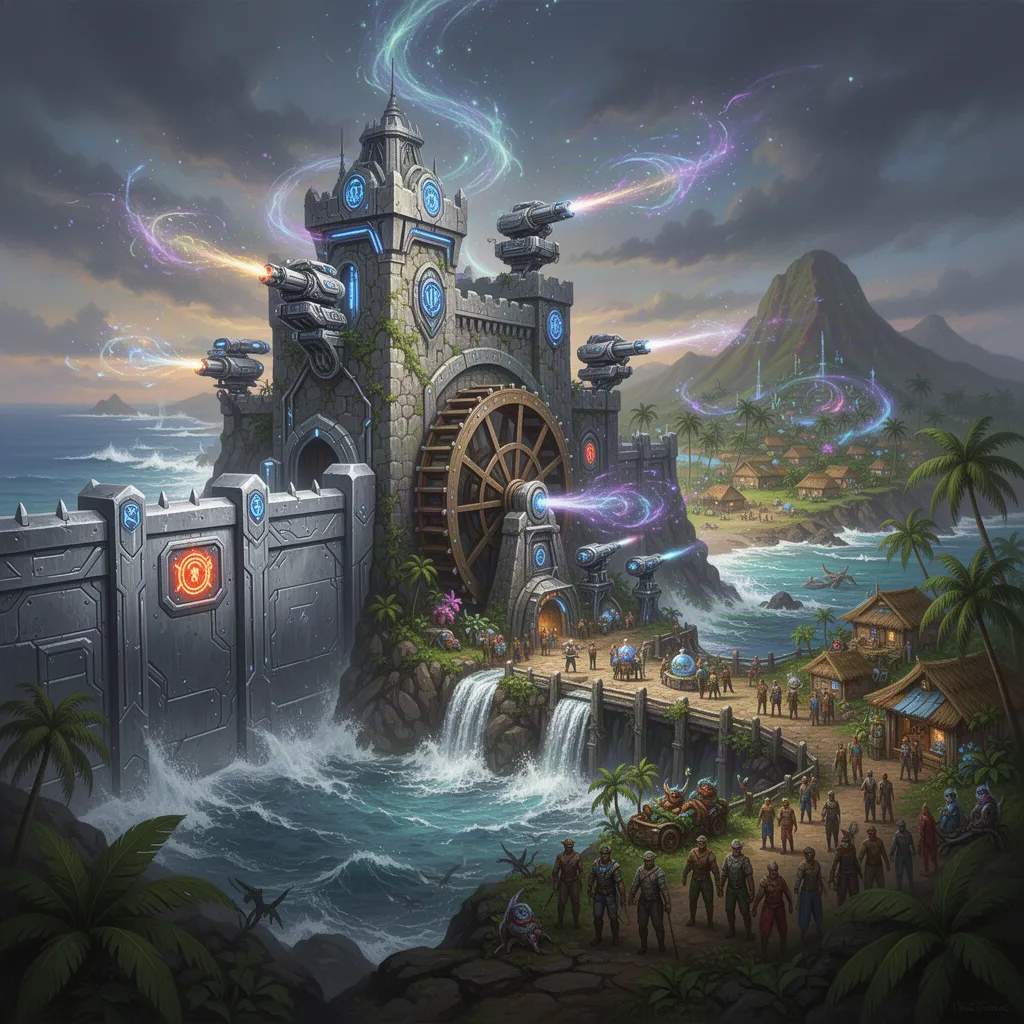
Hawaii's Watermill
Situated along the western coast of the Hawaiian archipelago, Hawaii's Watermill stands as a testament to post-collapse engineering and survival ingenuity. Established in 2089 by the visionary military strategist Michael Snyder, the facility was constructed as a comprehensive solution to sustain life across the island following the catastrophic events that reshaped civilization. The watermill's most distinctive feature is its formidable perimeter defense: an eight-meter-thick tungsten barrier equipped with automated heat-lock targeting systems and an array of precision turrets designed to protect against both undead incursions and hostile forces. Beyond its fortifications, the watermill functions as the lifeblood of Hawaiian settlement, channeling fresh water through advanced purification systems that serve farming communities and residential populations alike. The facility's ingenious design harnesses both tidal and river-fed hydraulic systems to generate consistent power and water flow, supporting agricultural operations that have become increasingly vital to regional food security. Thriving fisheries maintained within the watermill's carefully managed aquatic zones provide essential protein sources for thousands of inhabitants spread across the island. The complex has evolved into a bustling hub of activity, where skilled technicians, farmers, and traders converge daily to maintain operations and exchange goods. Today, Hawaii's Watermill remains the architectural and logistical cornerstone of island civilization, a beacon of human resilience where advanced technology and natural resource management have created a sustainable community capable of flourishing despite the harsh world beyond its walls.
View details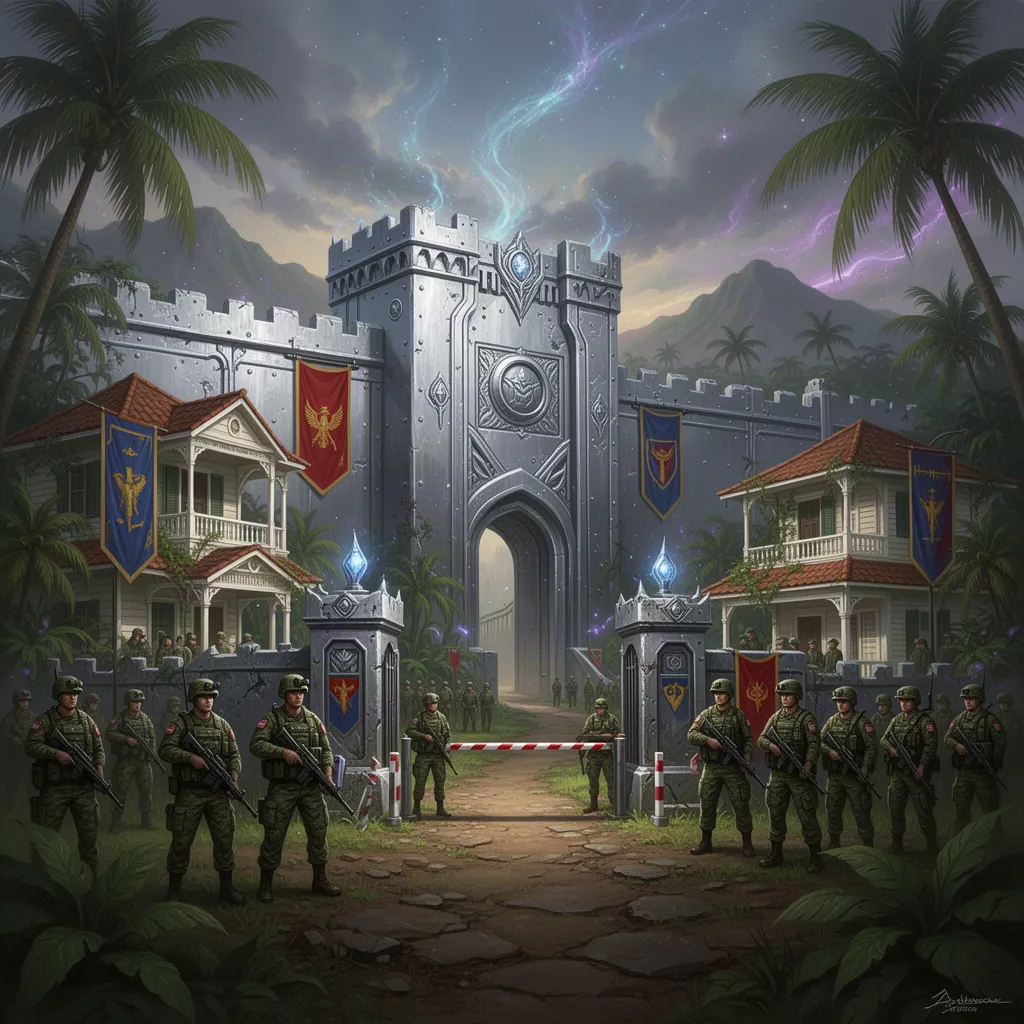
Hawaii's Residential Area
Hawaii's Residential Area stands as a testament to ambitious urban planning, having undergone a remarkable transformation across nearly two centuries. Originally established in 1890, the settlement was mysteriously abandoned after merely four years, leaving behind only empty structures and unanswered questions about what drove the early inhabitants away. The district remained dormant until 2089, when the renowned military strategist Michael Snyder acquired the neglected community and undertook an extensive restoration project. Recognizing the strategic and residential value of the location, Snyder commissioned the construction of an imposing 8-meter-thick tungsten steel perimeter wall—a marvel of modern engineering that would come to define the area's character with automated sensory heat lock on multi-missle launching turret and minigun turrets on the top of the wall located in coners,sides,front and back providing protection from the zombie apocalypse hordes outside the wall. The renovation effort proved comprehensive: fifty original houses were painstakingly restored while fifty additional structures were constructed, creating a balanced community of one hundred residences. Each dwelling features expansive fifteen-meter yards on all sides, complete with individual perimeter fencing and dedicated bonfire pits that serve as gathering spaces for neighbors. Today, Hawaii's Residential Area thrives as the primary residential hub for the island's entire civilization, its distinctive tungsten walls gleaming under the tropical sun. The community has evolved into a vibrant settlement where residents maintain strong connections through shared outdoor spaces and collective cultural traditions. The architectural uniformity and careful planning reflect Snyder's military background, creating an orderly yet livable environment. Visitors to the area encounter a unique blend of historical preservation and modern innovation, where the weight of the settlement's enigmatic past coex
View details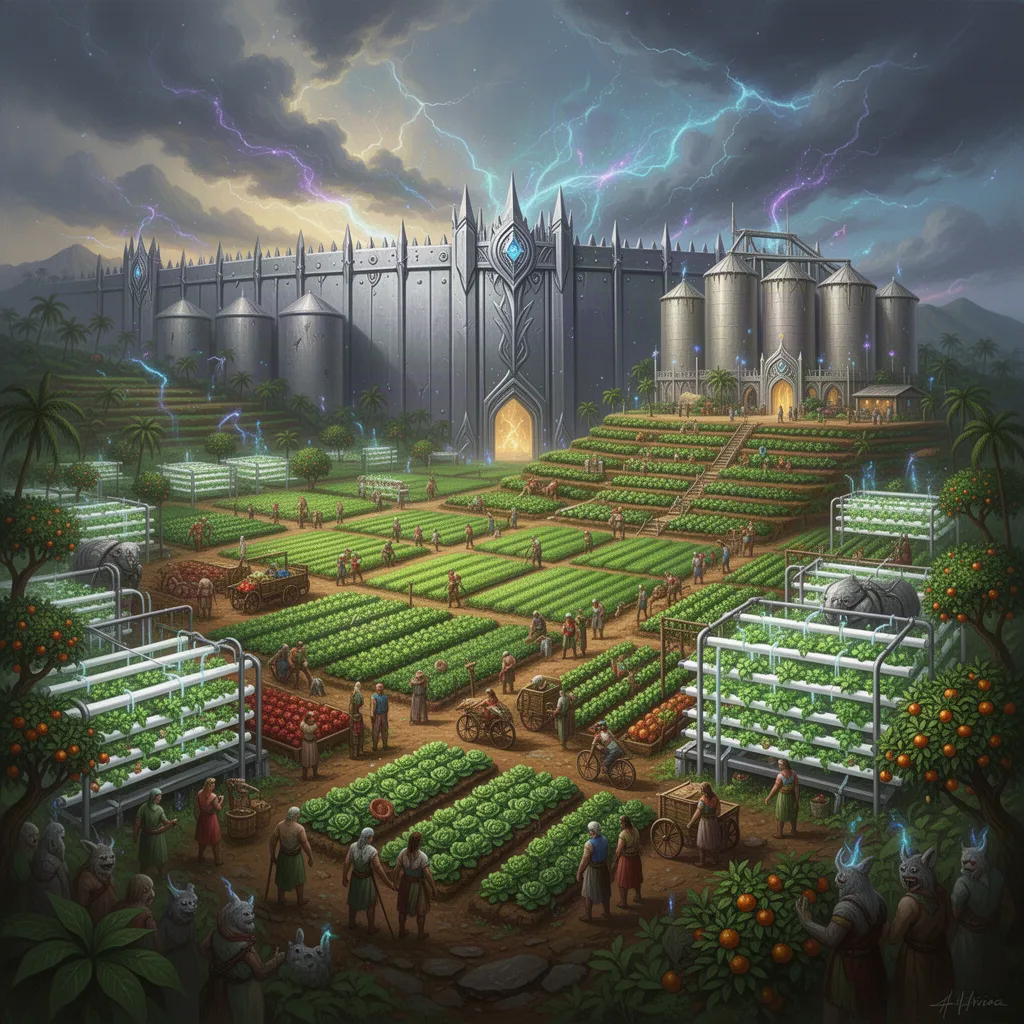
Hawaii's Farms
Nestled within the protective embrace of Hawaii's colossal 8-meter-thick tungsten steel barrier, Hawaii's Farms represent humanity's most ambitious agricultural achievement. Constructed in 2089 under the visionary leadership of retired military commander Michael Snyder, this sprawling complex comprises twenty vast agricultural sectors, each spanning an impressive twenty miles in both length and width. The farms were engineered with extraordinary foresight, designed to sustain the entire Hawaiian population indefinitely through careful crop rotation, advanced hydroponic systems, and carefully preserved livestock populations. Since the catastrophic outbreak that devastated the mainland two years after their completion, these farms have proven indispensable to Hawaii's survival, transforming the island into a beacon of stability and prosperity amid continental collapse. The facilities thrive today under disciplined management protocols established by Snyder himself, with rotating teams of farmers, engineers, and botanists maintaining the delicate balance of food production. Towering grain silos, sprawling vegetable terraces, and carefully managed orchards create a patchwork of green vitality across the interior landscape, while fresh water systems drawn from protected underground reserves ensure perpetual irrigation. The farms have become not merely a food source but the beating heart of Hawaiian civilization, attracting settlers and traders from surviving communities who seek refuge and alliance within the island's secure walls. Visitors and residents alike regard Hawaii's Farms with reverence, recognizing them as the foundation upon which their continued existence rests.
View details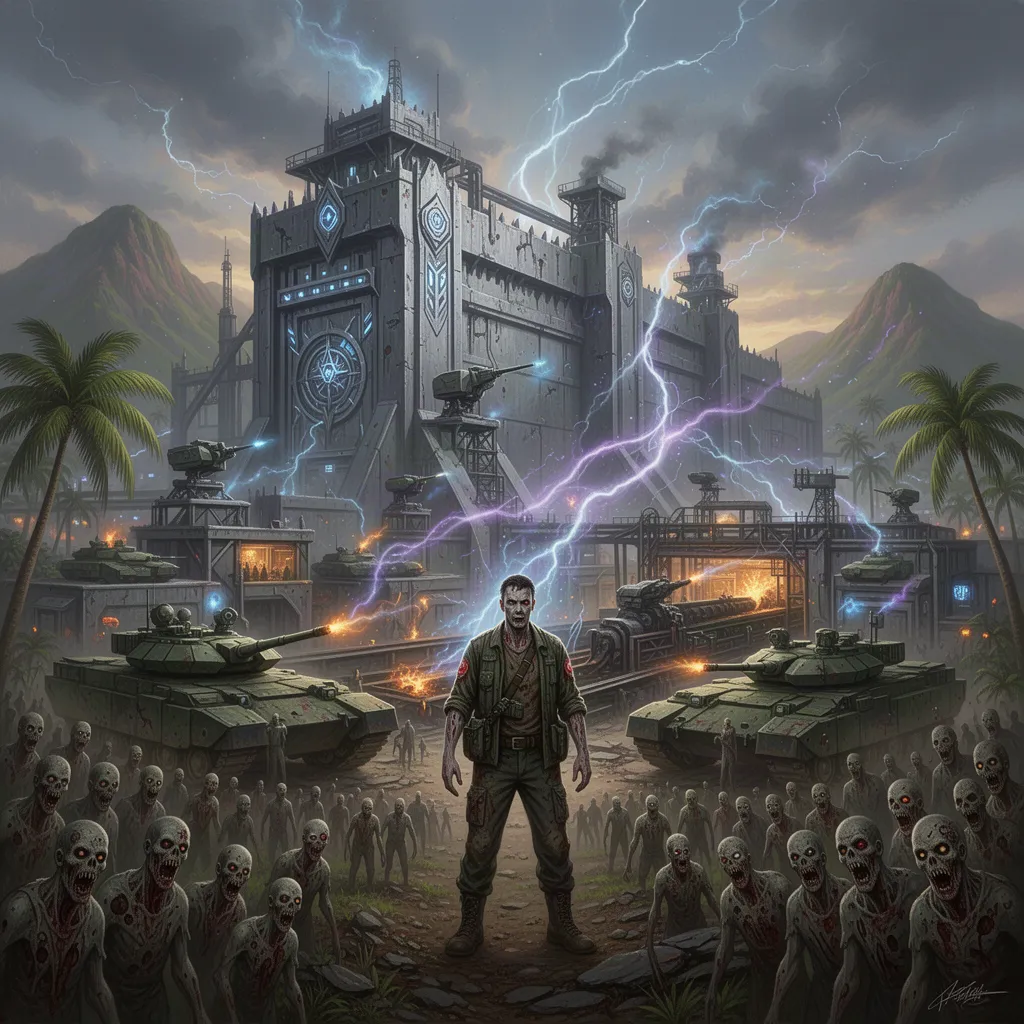
Hawaii's Steel Factory
Nestled in the remote southeastern corner of the Hawaiian archipelago, Hawaii's Steel Factory stands as a monument to foresight and military ingenuity, its imposing eight-meter-thick tungsten steel walls rising like a fortress against the surrounding landscape. Originally constructed in 1960 as a conventional manufacturing facility, the factory was seized and transformed in 2029 by the visionary military strategist Michael Snyder, who foresaw the catastrophic events that would reshape civilization. The compound's perimeter is fortified with sophisticated automated defense systems—multi-missile launching turrets and rapid-fire minigun emplacements positioned at each corner, their sensors constantly scanning the skies and approaches for threats. When the undead plague erupted across the world in 2030, Hawaii's strategic preparation proved invaluable; the factory's exclusive focus on producing military-grade armor, reinforced vehicles, weaponry, and essential tools had equipped the island with unparalleled defensive capabilities. Today, the facility operates at full capacity, its production lines humming with purposeful activity as skilled workers and engineers maintain the island's technological superiority and self-sufficiency. The factory serves as the backbone of Hawaii's thriving civilization, providing not merely weapons and ammunition but the foundation upon which safety, stability, and hope have been rebuilt. Within these steel walls, communities have established workshops, residential quarters, and research centers dedicated to advancing survival technology and restoring the infrastructure of human society. The compound has become a beacon of order and prosperity, where the relentless zombie threat remains perpetually held at bay by the vigilant defenses and constant production of protective equipment that flows throughout the islands.
View details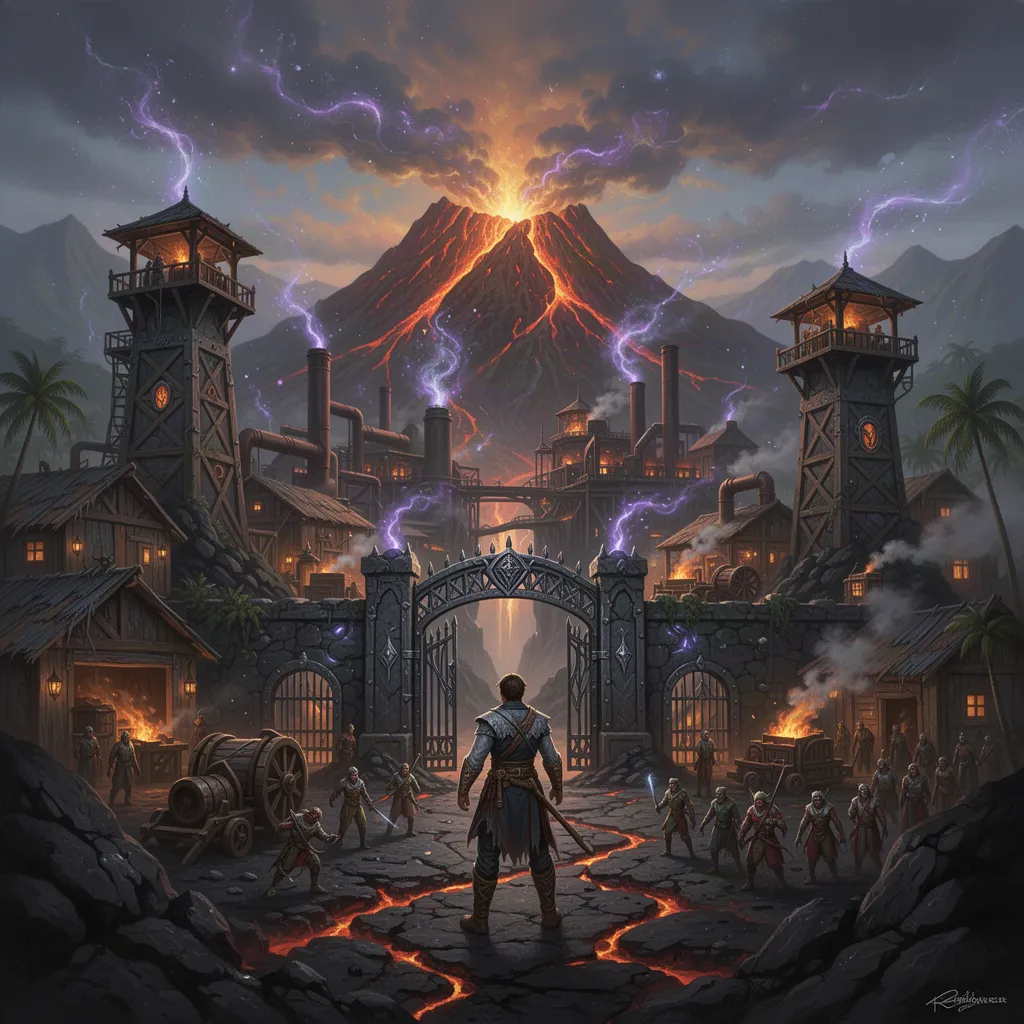
Hawaii's Gunpowder Factory
Nestled on the volcanic slopes of Hawaii, the Gunpowder Factory stands as a testament to strategic foresight and industrial resilience. Originally constructed in 1850 to supply the military with refined explosive materials, the facility operated for nearly two centuries as a vital defense installation. When former Military Commander Michael Snyder assumed leadership in 2029, he revolutionized the factory's operations to prioritize local ammunition production, recognizing that Hawaii's isolated position would become its greatest asset. His decision proved prescient when the undead outbreak swept across the mainland in 2030, as the factory's secure perimeter and stockpiled resources became instrumental in fortifying the island's defenses. The factory's strategic location allowed Hawaiian forces to establish and maintain secure borders, preventing the spread of infection and establishing a thriving sanctuary. Today, the facility operates at peak capacity, employing skilled workers and technicians who maintain the delicate balance of explosive production while adhering to rigorous safety protocols. The surrounding settlement has grown into a self-sufficient community that depends upon the factory's economic and defensive contributions. Modern watchtowers and reinforced gates bear witness to the facility's dual role as both industrial center and fortress. Visitors to the factory can witness the controlled chaos of production floors where ammunition is meticulously crafted for the island's security forces. The factory remains the beating heart of Hawaii's prosperity, a gleaming symbol of preparation meeting opportunity in humanity's darkest hour.
View details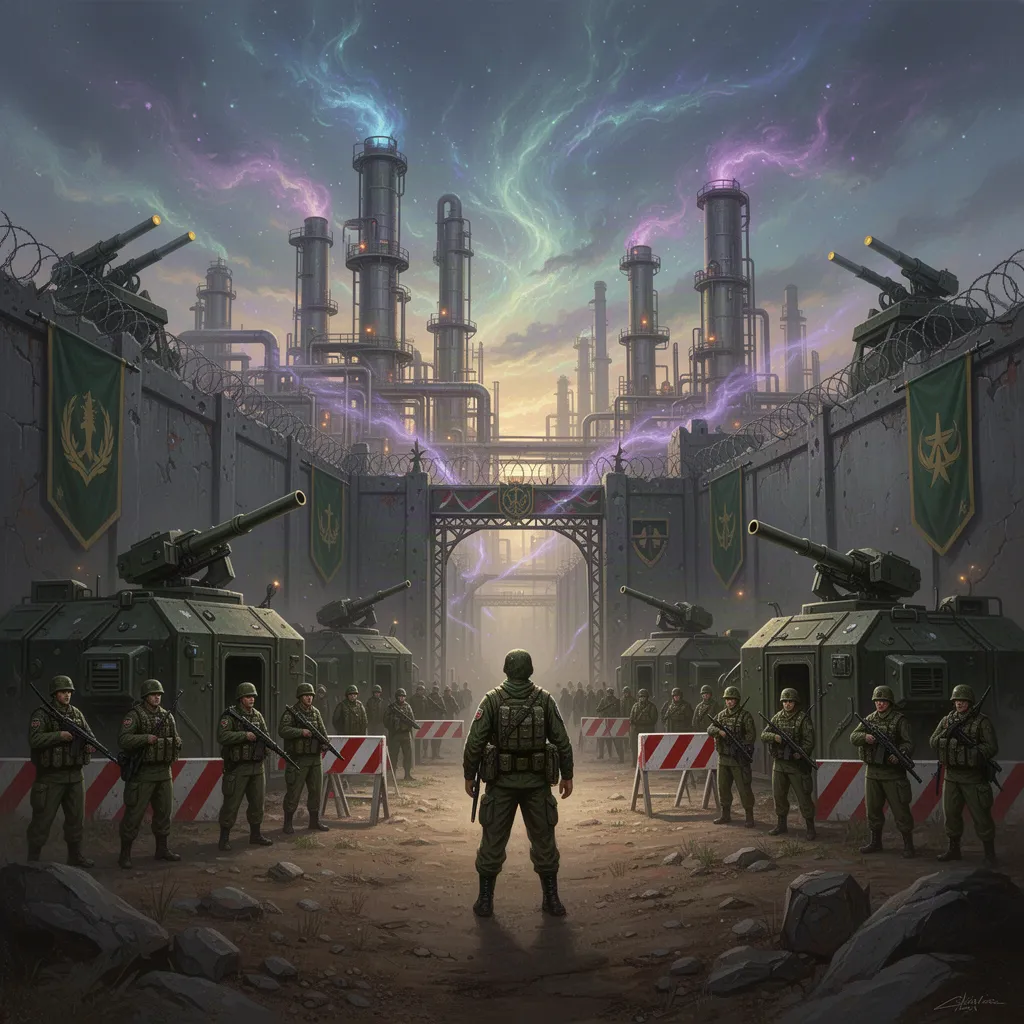
Hawaii's Oil Factory
Constructed in 1960 during the post-war industrial boom, Hawaii's Oil Factory became the economic lifeblood of the island archipelago, processing and distributing vast quantities of refined petroleum to civilian and military installations alike. For nearly seven decades, the facility hummed with constant activity, its sprawling refineries and storage tanks supplying fuel for everything from private vehicles to naval fleets, while also serving as a chemical source for manufacturing textiles, furniture, and household goods. In 2029, the trajectory of the facility shifted dramatically when former military commander Michael Snyder seized control of the operations, redirecting all production exclusively toward military applications—vehicles, weapons systems, protective gear, and armor plating—in preparation for catastrophic events he foresaw. Today, the factory remains heavily fortified within Hawaii's imposing eight-meter-thick tungsten steel perimeter walls, positioned deep within the island's interior and guarded by an array of automated defense systems including heat-seeking missile turrets and rapid-fire minigun emplacements. The facility operates under strict military occupation, its skeleton crew of technicians and soldiers maintaining the complex machinery while monitoring external threats from behind reinforced bunkers. Layers of blast shielding and underground passages connect critical infrastructure, allowing personnel to move safely through the compound while automated sentries sweep the surrounding terrain. The acrid smell of refined petroleum and scorched metal permeates the air, mixing with the hum of generators and the occasional distant rumble of defensive systems being tested. Visitors are absolutely forbidden, and unauthorized approach triggers immediate defensive protocols.
View details