Fall Of Heroes
Locations
Browse the public locations that belong to this world. Select a card to read more.
Public locations roster
Valenor / Valenor-Kragg
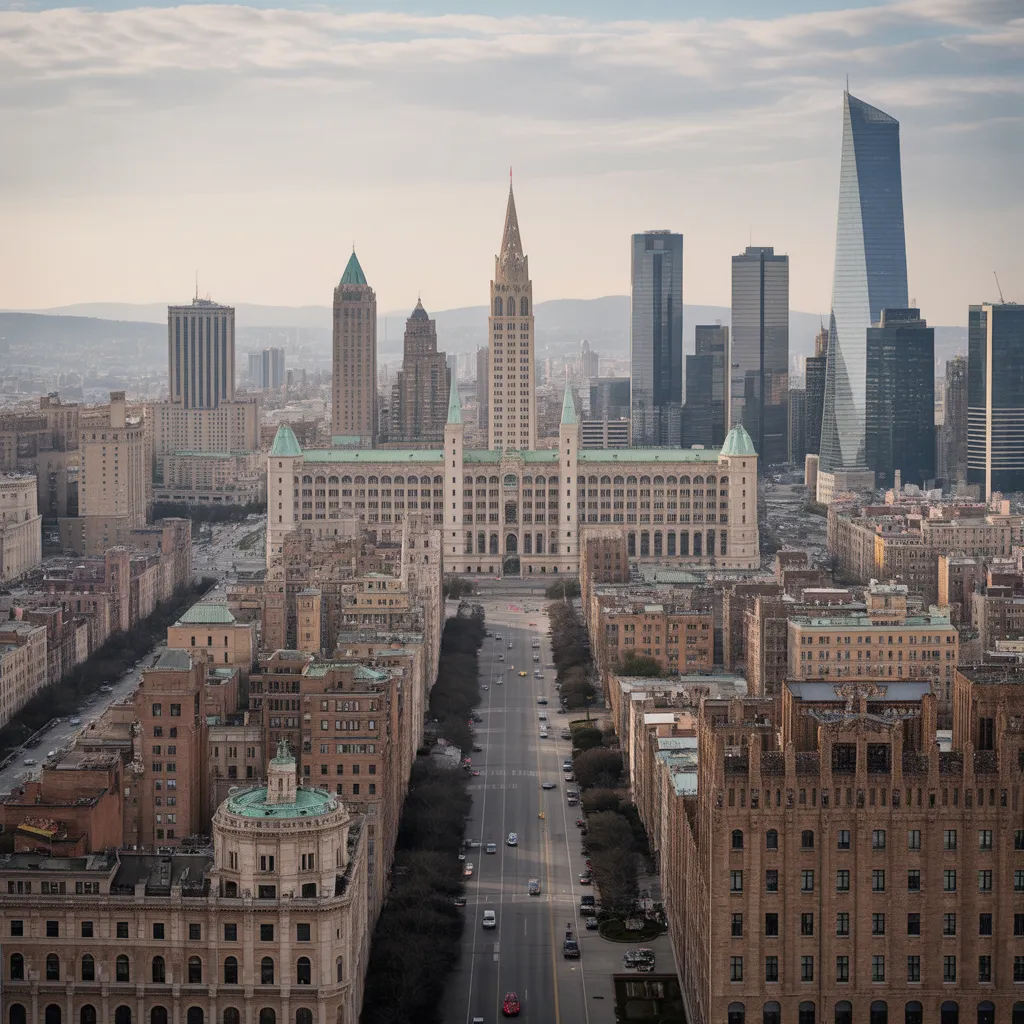
Valenor-Kragg stands as the beating heart of Kaelis, a sprawling metropolis that has served as the nation's political and economic epicenter for over three centuries. Built strategically at the convergence of the Meridian Trade Routes and the Silverthrone River, the city has flourished as a hub where merchants, scholars, and dignitaries from across the realm converge. The urban landscape reveals layers of its complex past, with weathered stone government palaces standing alongside gleaming modern administrative complexes, while gas-lit historic quarters give way to bustling industrial districts powered by arcane innovation. Home to the Grand Parliament, the National Archives, and prestigious institutions of higher learning, Valenor-Kragg serves as the crucible where Kaelis's laws are forged and its intellectual traditions are preserved and challenged. The city pulses with ideological ferment, where progressive reformers debate traditionalists in crowded squares and coffee houses, creating an atmosphere both creatively fertile and politically volatile. Its diverse neighborhoods—from the merchant quarters of the Lowmarkets to the aristocratic enclaves of the Highspires—reflect the contradictions inherent to the nation itself. Cultural institutions, publishing houses, and theaters dot the cityscape, making it a beacon for artists and thinkers seeking to shape national discourse. Valenor-Kragg embodies Kaelis's greatest aspirations and most pressing conflicts, serving as a living monument to both the nation's achievements and the tensions that continue to test its unity.
View details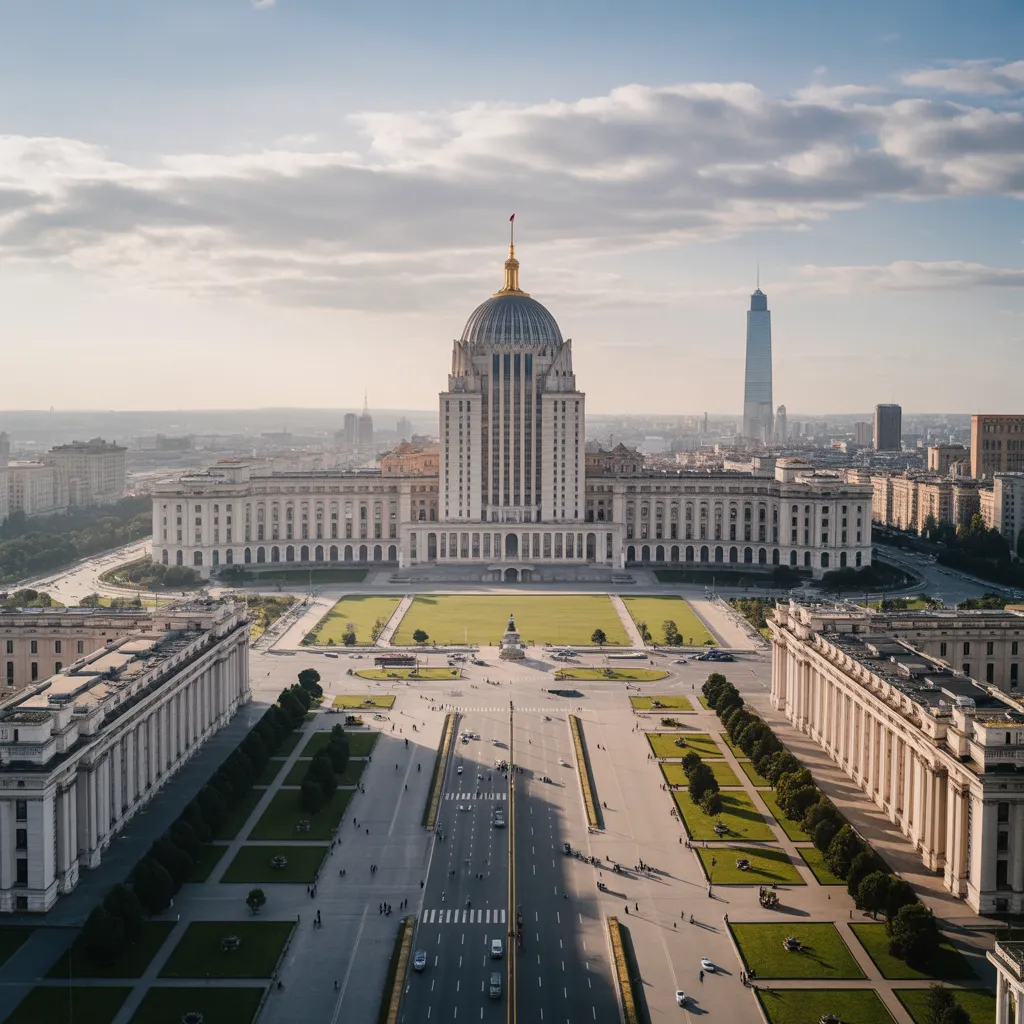
Eisenstadt
Eisenstadt stands as the towering heart of Eisenkragg, a sprawling metropolis that has evolved over centuries into the undisputed center of political, military, and administrative authority. The city's distinctive character emerges from its ambitious urban design, featuring grand thoroughfares that stretch for miles in geometric precision, monumental civic structures that dominate the skyline, and vast public squares capable of hosting hundreds of thousands during state ceremonies and military pageantry. Every architectural element has been deliberately crafted to project strength, order, and the unquestionable power of the state, with government palaces, military fortifications, and ministerial headquarters commanding the most prominent positions throughout the urban landscape. The city's rigid, carefully planned layout reflects a philosophy of absolute organization, where even the arrangement of districts follows strategic principles designed to facilitate governance and control. Yet beneath this austere exterior thrives a vibrant metropolis of millions—merchants, artisans, scholars, and laborers who inhabit the residential quarters, bustling marketplaces, and industrial zones that sprawl across the city's outer reaches. Cultural institutions, theaters, and academies coexist alongside factories and warehouses, creating a complex urban ecosystem where ordinary life unfolds in the shadows of monumental power. The atmosphere within Eisenstadt carries a distinctive tension, where citizens simultaneously take pride in their capital's grandeur while remaining acutely aware of the concentrated authority that surrounds them. For many inhabitants, the city represents the pinnacle of national achievement and collective strength, yet for others, it embodies the weight of centralized control that permeates every aspect of civic life.
View details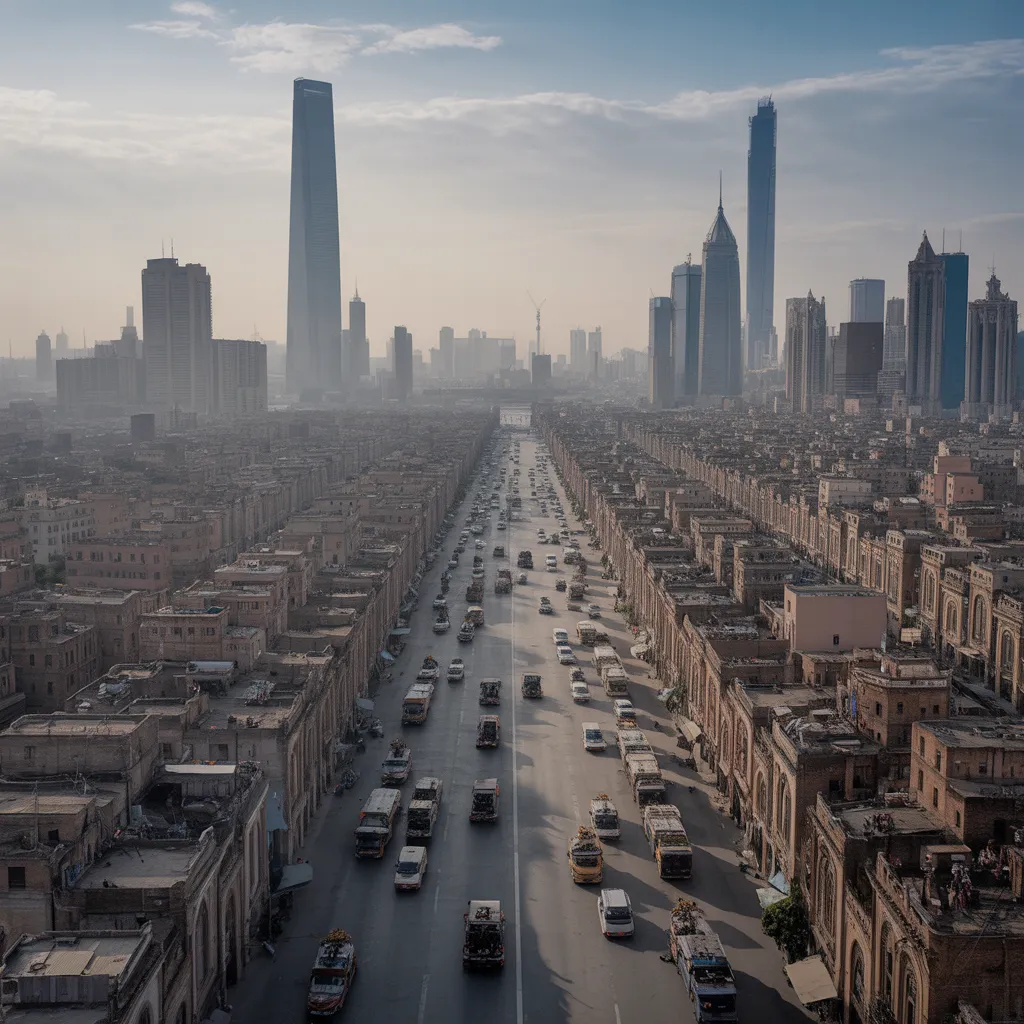
Kaeliskragg / Kaelis
Kaeliskragg stands as a pivotal nation whose influence reverberates across the political and military landscape of the realm. Rather than wielding the iron grip of a unified autocracy, this sprawling power embraces a mosaic of distinct regions, each harboring its own ambitions, philosophies, and competing interests—a characteristic that renders it simultaneously vibrant and perpetually fractious. The nation's long and storied past cycles through epochs of remarkable advancement, sweeping institutional reform, devastating crises, and deep-rooted societal rifts that continue to echo through generations. Its urban centers reflect this internal complexity, where ancient quarters steeped in tradition stand adjacent to modern governmental districts, bustling industrial zones, and sprawling residential communities that house millions of souls. The cultural composition of Kaeliskragg's populace defies simple categorization, encompassing traditionalists fiercely protective of ancestral customs alongside progressive voices demanding transformative change—a tension that fuels both artistic expression and bitter ideological strife. Political discourse dominates the public sphere, with passionate debates and power struggles constantly reshaping the nation's trajectory and policies. The architectural and aesthetic character of Kaeliskragg favors a restrained palette of muted and varied hues, a visual reflection of the nuanced, multifaceted nature of its society. The capital city, once known simply as Kaelis during its independent past, embodies the collective aspirations, internal contradictions, and fragile stability of a nation at a crossroads. Its destiny remains uncertain, contingent not merely upon the decisions of its elite rulers but fundamentally dependent upon the choices and actions of its diverse populace.
View details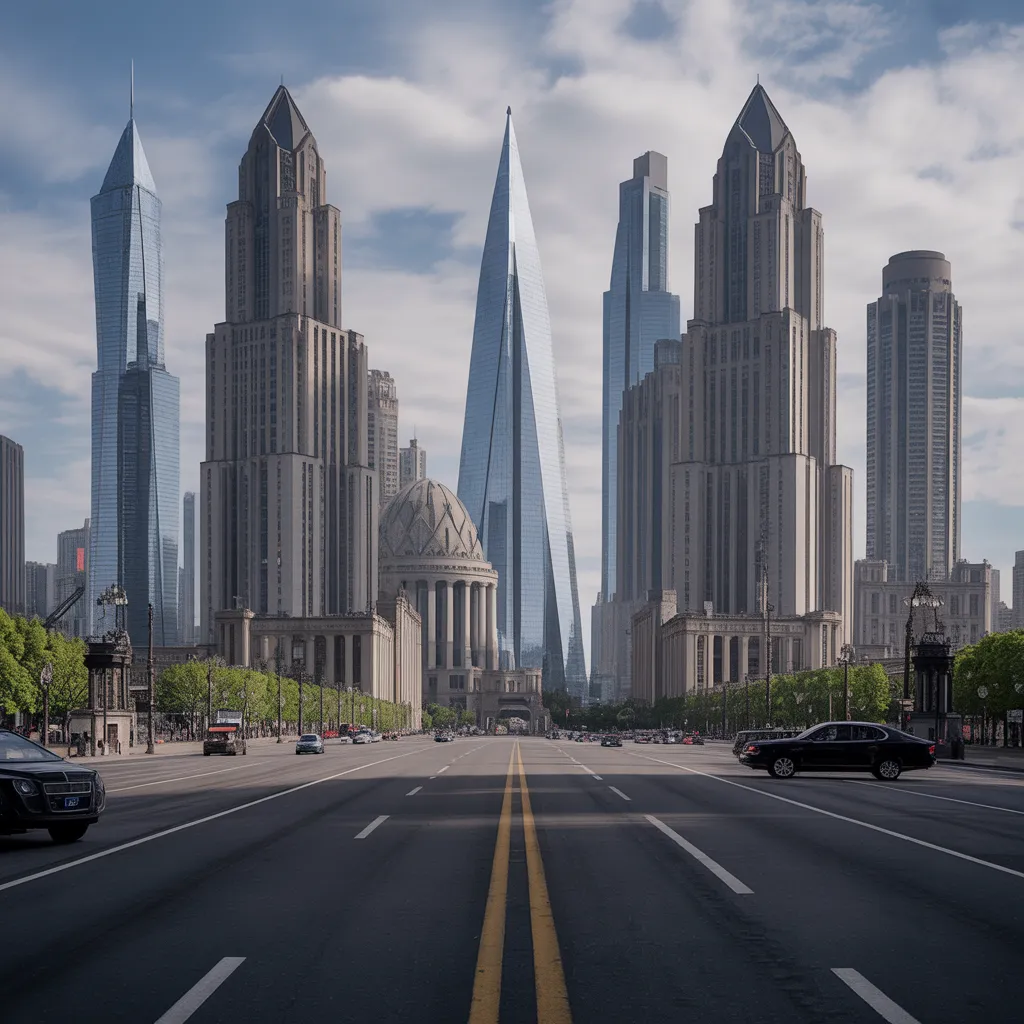
Eisenkragg
Eisenkragg stands as one of the world's most formidable powers, a nation built upon centuries of rigid hierarchical governance and unwavering commitment to state supremacy. The government operates through an intricate web of bureaucratic institutions that extend into every facet of society, from industrial production to education, ensuring seamless coordination toward national objectives. Military service represents not merely a civic duty but a celebrated pathway to honor and social advancement, with armed forces serving as the visible embodiment of Eisenkragg's strength and collective will. The state maintains its cohesion through carefully orchestrated cultural messaging woven throughout schools, broadcast networks, public festivals, and monumental symbols that reinforce patriotic devotion and national pride. Eisenkragg's sprawling cities showcase towering architecture of steel and stone, their geometric precision and imposing facades reflecting an aesthetic of power and meticulous control that dominates the landscape. Driven by expansionist ambitions, Eisenkragg's leadership pursues regional dominance and global influence, strategies that have repeatedly strained relations with neighboring nations and created regional instability. Yet beneath its authoritarian facade exists a genuine civilization with rich traditions, celebrated historical figures, and ordinary citizens navigating complex lives within their structured society. The nation embodies profound contradictions—to some it represents an exemplary model of order, security, and unified purpose, while others regard it as a suppressive force that constrains individual liberty and threatens regional peace. The distinctive visual language of Eisenkragg—dominated by blacks, grays, deep crimsons, and military greens—pervades everything from governmental buildings to civic symbolism, creating a unified and unmistakable national character.
View details