HighSchool Of The Dead(Zombie Apocalypse
Locations
Browse the public locations that belong to this world. Select a card to read more.
Public locations roster
Hawaiian Oil Factory
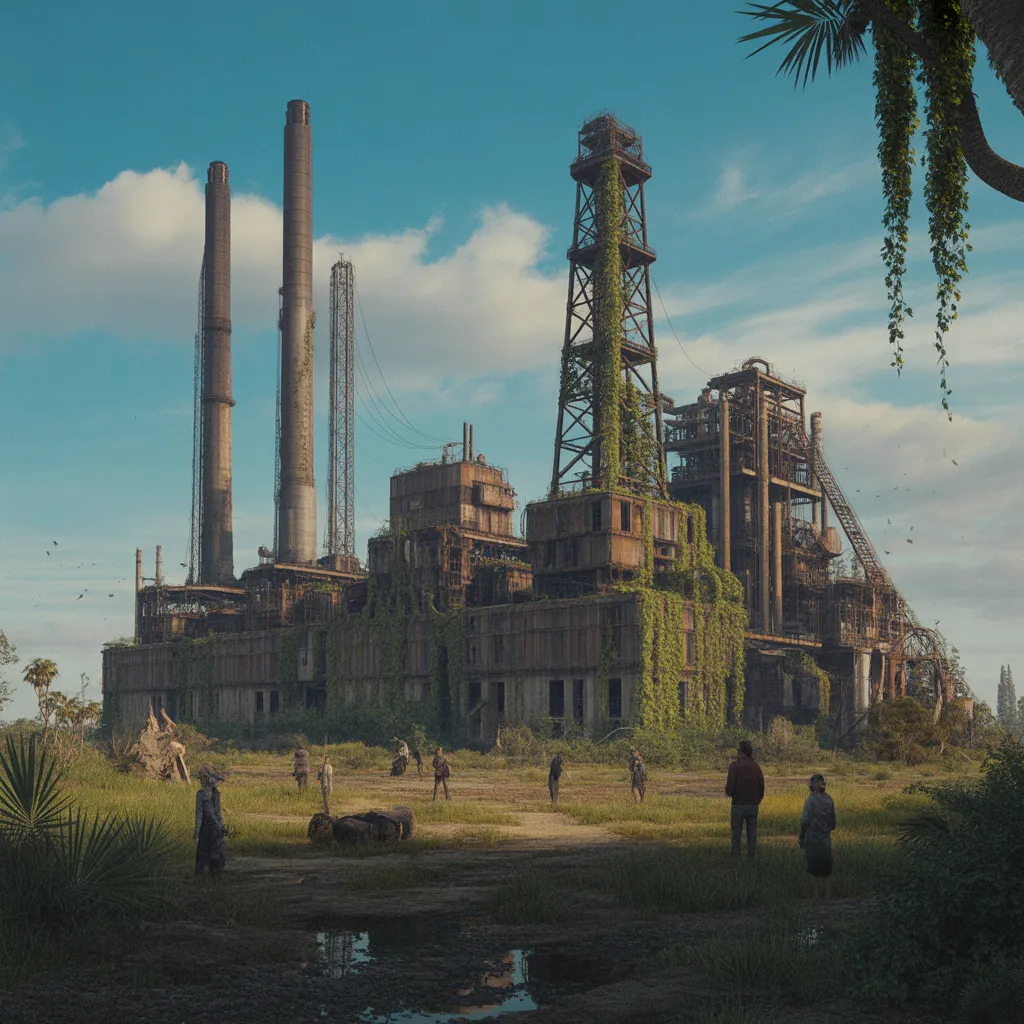
The Hawaiian Oil Factory stands as a monument to both industrial ambition and tragic necessity on the islands. Once a thriving petroleum refinery that processed thousands of tons of crude oil daily, it supplied fuel and chemical derivatives to vehicles, textiles, and countless consumer goods throughout the Hawaiian archipelago. When the undead plague swept across the islands, military leadership made the devastating decision to eliminate the factory's entire workforce before the facility could be overrun, recognizing that an operational refinery in zombie hands would spell catastrophe for any surviving population. The empty complex now sprawls across its industrial grounds, silent except for the sound of wind whistling through abandoned processing towers and the calls of native birds reclaiming the territory. Vines and tropical vegetation have begun their slow conquest of the steel structures, cracking concrete and creeping through broken windows as nature gradually reclaims the site. Under the leadership of Michael Snyder, the factory has been secured and repurposed as a critical strategic asset, offering the promise of sustained fuel production for any vehicles that can be salvaged or maintained. Control of the Hawaiian Oil Factory represents more than industrial capacity—it represents survival itself, the difference between a mobile, defensible population and one stranded and immobilized. Those who hold this facility control the lifeblood of resistance against the undead tide that surrounds the islands.
View details
England's Main Lab
Nestled in the rolling countryside of central England, England's Main Lab once stood as a beacon of scientific advancement and hope during the plague of undeath that would soon consume the realm. Built in the early nineteenth century as a fortress of knowledge, the sprawling complex housed the kingdom's finest researchers, all devoted to the noble pursuit of reversing the curse of death through rigorous experimentation and arcane study. The facility's marble halls and state-of-the-art laboratories were filled with brilliant minds who believed they stood on the precipice of salvation, working tirelessly with preserved cadavers in hopes of unlocking the secrets to restoration. However, their ambition led them to meddle with forces beyond mortal comprehension, and in their hubris, they unknowingly awakened something far more sinister than death itself—the first true zombie, a creature of pure malevolence that shattered its containment and unleashed chaos upon the institution. The catastrophic breach transformed the very scientists who sought to save humanity into shambling horrors, their expertise now lost to the corruption that consumed their minds and bodies. Today, the once-magnificent facility lies in ruins, with entire wings collapsed from desperate defensive measures and fierce battles that raged in futile attempts to contain the outbreak. Despite its decay and the thousands of undead that now wander its crumbling corridors, researchers still believe that somewhere within the wreckage lies the cure—the antidote or remedy that could save those bitten by the undead curse. The laboratory remains a place of terrible tragedy and unrealized potential, a monument to the dangers of unchecked ambition and a graveyard of scientific dreams.
View details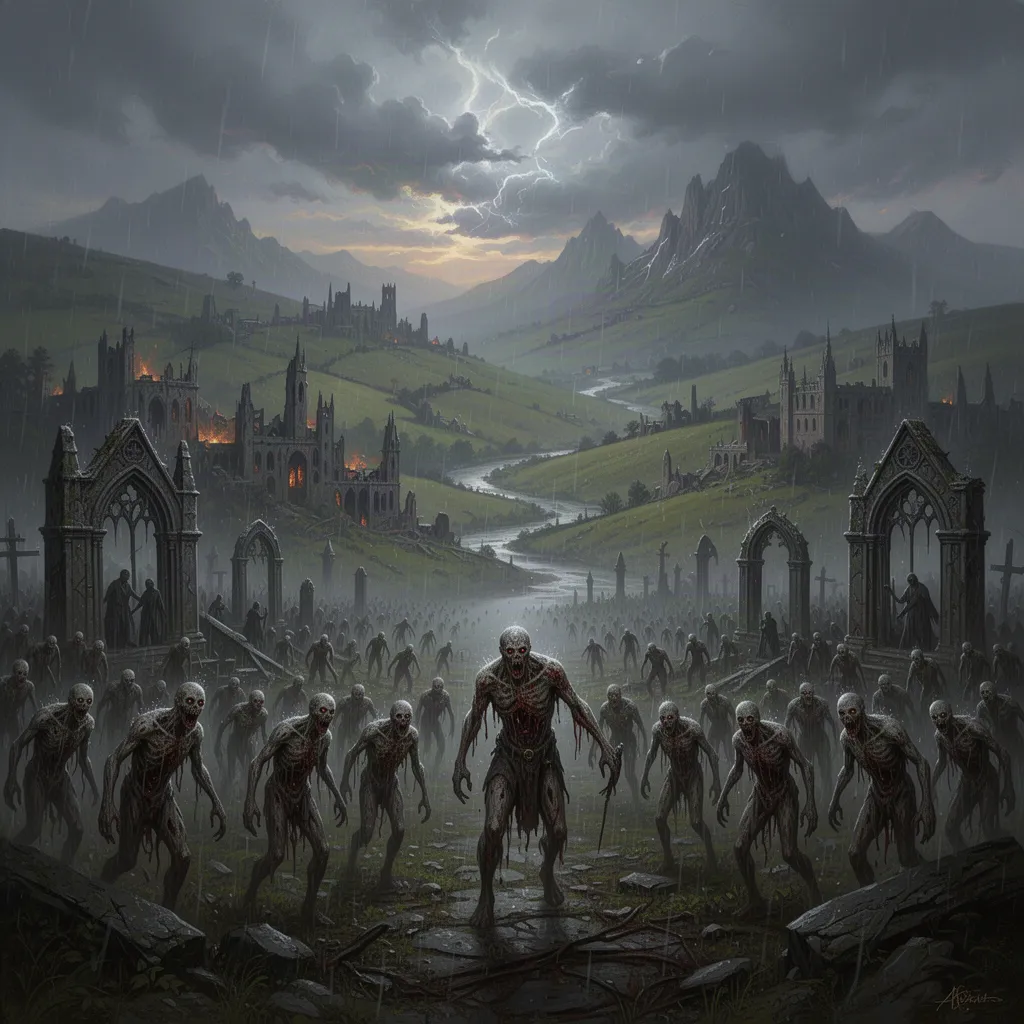
England
England stands as the predominant realm within the isle of Great Britain, a vast territory now forever transformed by catastrophe. Once bordered by the wild Scottish highlands to the north and the mystical lands of Wales to the west, it remains separated from the continental kingdoms by the treacherous waters of the English Channel. The landscape itself varies dramatically—rolling hills and fertile plains dominate the central and southern regions, while rugged mountains and ancient uplands rise throughout the north and western territories. The climate, traditionally mild and maritime with gentle winters and cool summers, now hangs heavy with an unnatural atmosphere as perpetual rains fall upon abandoned cities and overgrown countryside. What was once home to approximately fifty-six million souls has become a desolate graveyard, transformed into a sprawling necropolis when a catastrophic plague swept across the land before survivors could flee to safety. Those who succumbed to the affliction now shamble endlessly through the decaying towns and villages, their numbers swelling with each passing season. The undead masses congregate in great hordes throughout the realm, drawn to any signs of living movement, making travel through England an exceedingly perilous endeavor. Once-thriving settlements now stand as monuments to a lost civilization, their streets consumed by the restless dead. Few dare venture into this forsaken kingdom, for to cross its borders is to invite certain doom from the countless hordes that hunger within.
View details
Gold Mineshaft
Nestled within the volcanic highlands of the Hawaiian archipelago lies the Gold Mineshaft, a testament to an ancient era of manual labor and precious metal extraction. Carved deep into the mountainside centuries ago, this sprawling network of tunnels and chambers represents the pinnacle of pre-industrial mining engineering, where skilled workers wielded simple pickaxes to harvest veins of pure gold from the bedrock. The extracted ore was transported to surface forges where master craftsmen transformed the raw metal into currency that became the foundation of the islands' economic prosperity. Today, the mineshaft stands as both a historical monument and a crucial strategic fortress, its reinforced entrances and natural stone barriers serving as one of Hawaii's primary defensive positions against the undead hordes that occasionally threaten the islands. The location's isolation proves invaluable, as the surrounding ocean acts as a natural moat—few zombies possess the ability to traverse the vast waters, making sustained attacks on the archipelago exceptionally rare. The mineshaft itself has been retrofitted with ancient magical wards and physical barricades that further protect the islands' inhabitants. Visitors who venture into its depths can still observe the distinctive chisel marks on the tunnel walls and abandoned tools left behind by long-departed miners. The ambient temperature within the mineshaft remains remarkably cool year-round, a phenomenon attributed to both the depth and the geothermal properties of Hawaii's volcanic geology. This remarkable site continues to serve as both a cultural landmark preserving island heritage and an essential guardian against external threats.
View details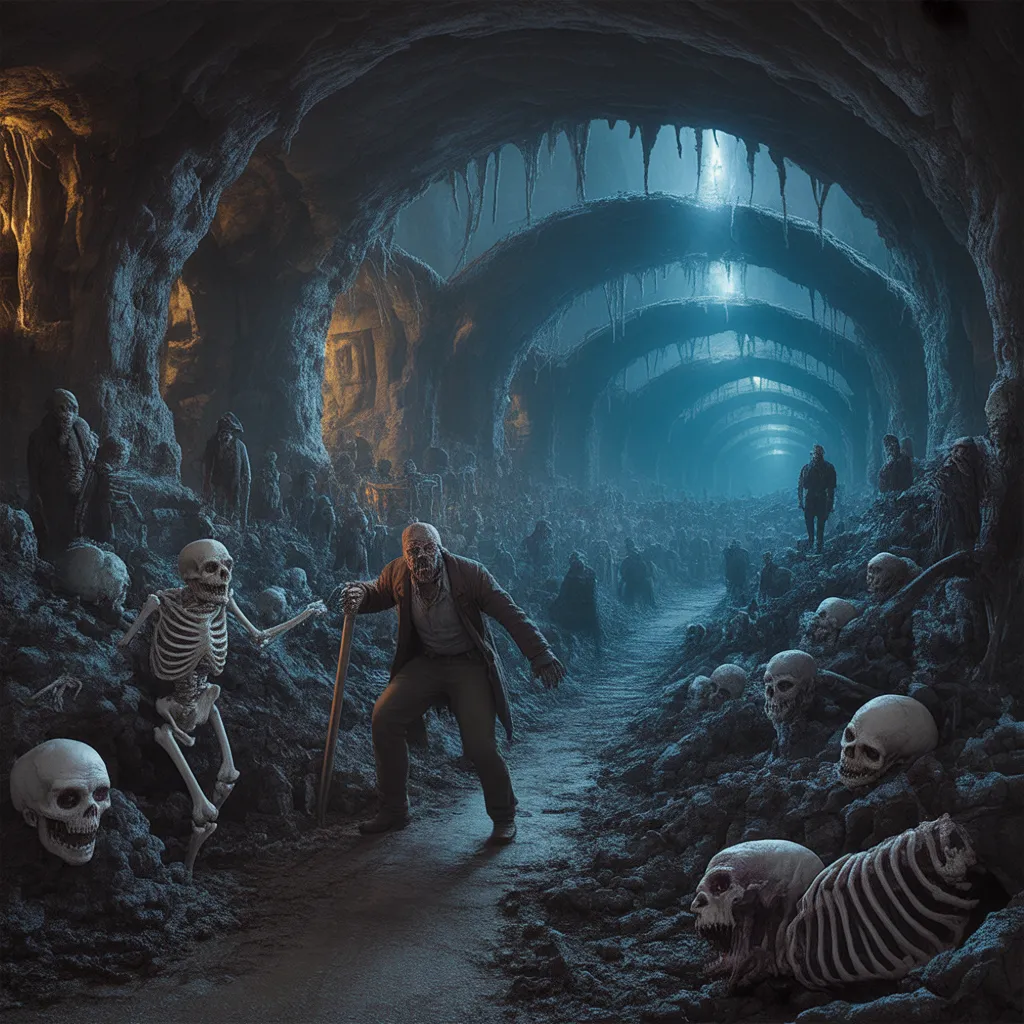
Coal Quarry
The Coal Quarry stands as a grim monument to the region's industrial past, once a thriving hub of commerce where generations of laborers extracted valuable coal from deep beneath the earth. For centuries, common folk descended into its maze-like tunnels daily, their picks striking stone in a rhythmic symphony that echoed through the caverns, enriching the merchants and nobles who controlled the operation. The quarry's reputation changed forever when a devastating plague swept through the kingdom, ravaging the densely packed mining communities and transforming the underground passages into a nightmare of unimaginable proportions. As the contagion spread through the tight, winding corridors where ventilation was poor and workers pressed shoulder to shoulder, the infected began their horrifying transformation into shambling undead creatures. The quarry quickly devolved into a chaotic charnel house where newly-turned zombies attacked their former colleagues, trapping miners in a desperate struggle for survival against their own transformed companions. Those unfamiliar with the quarry's labyrinthine network of shafts and tunnels found themselves hopelessly lost, overwhelmed by the relentless horde that now inhabits the darkness. Today, the Coal Quarry remains a forsaken place, its tunnels clogged with the remnants of the infected and the fallen, serving as a warning to any who would venture into its depths. Local settlements maintain a careful distance from the quarry's entrances, and few brave or foolish enough to enter have ever emerged to tell their tale.
View details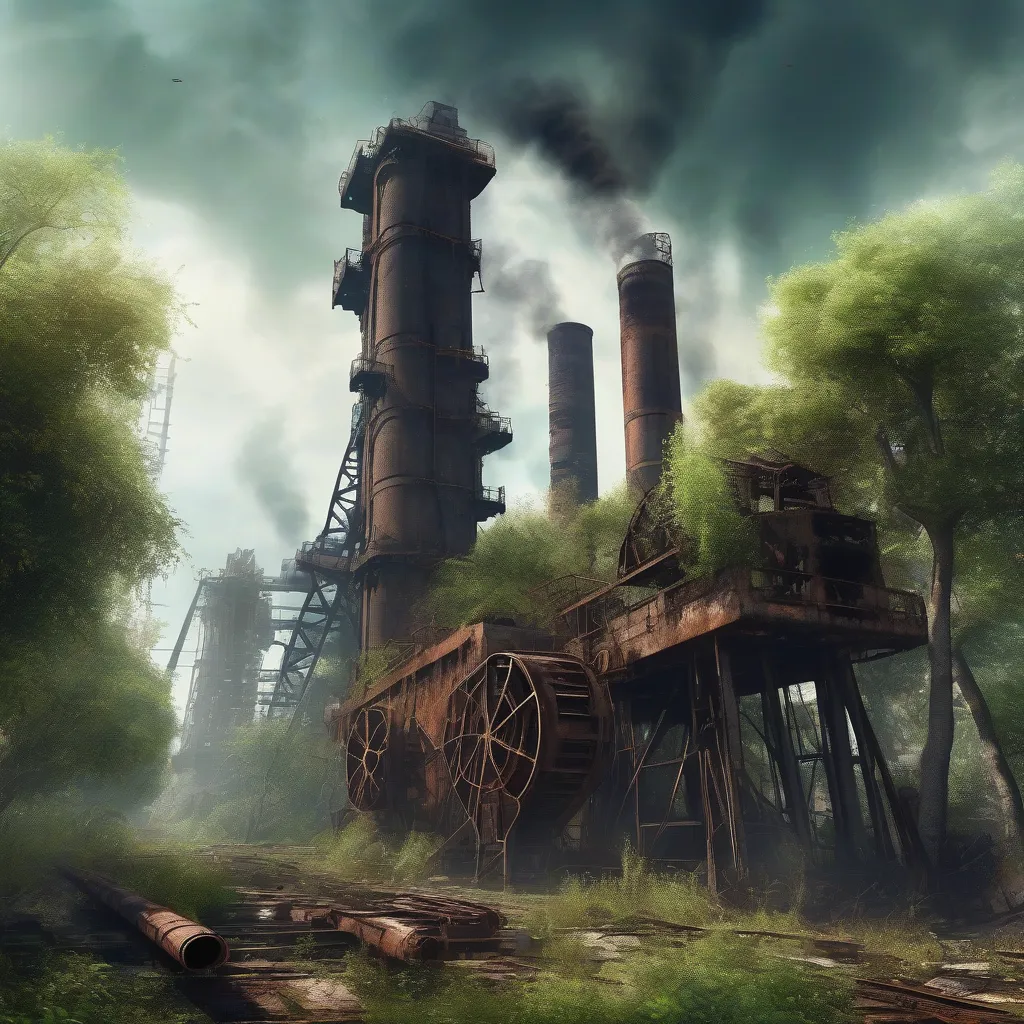
Abandoned Steel Manufacturing Factory
The Abandoned Steel Manufacturing Factory is a relic of Maui's industrial past, nestled within the lush, verdant landscapes of the island. Constructed in the early 20th century, the factory was a testament to the island's ambitions to diversify its economy beyond agriculture and tourism. For decades, it stood as a hub of steel production, providing jobs and economic opportunities to the local community. However, as times changed and global markets shifted, the factory fell into disrepair, eventually shuttering its doors and leaving behind a sprawling, eerie complex of rusting machinery and crumbling concrete structures. The once-bustling facility now stands in silent solitude, its towering smokestacks and weathered facades a haunting reminder of Maui's industrial heritage. Despite its abandoned state, the factory remains a captivating destination for adventurous travelers and historians alike. Explorers can wander through the cavernous halls, marveling at the remnants of the production line, the massive furnaces, and the intricate network of pipes and conveyors that once powered the factory's operations. The echoes of past productivity still linger within the walls, hinting at the vibrant activity that once filled this now-silent space. As nature reclaims the site, the Abandoned Steel Manufacturing Factory has become a unique blend of human ingenuity and natural resilience. Vines and moss creep across the weathered surfaces, while birds and small mammals have made their homes amidst the crumbling structures. This interplay between the man-made and the natural creates a hauntingly beautiful and evocative atmosphere, inviting visitors to ponder the cycles of industry, progress, and the passage of time.
View details
Old Treehouse Community
The Old Treehouse Community is a remarkable and mystical settlement nestled deep within the ancient forests of North Carolina. Centuries ago, a group of nature-loving pioneers stumbled upon this enchanted place, where the very trees themselves had grown to embrace and shelter human habitation. Over the generations, the community has expanded, with interconnected treehouses forming a thriving, sustainable society high above the forest floor. Each treehouse is a work of art, seamlessly blended with the living, breathing trees that support them. Winding staircases, intricate bridges, and hidden passages connect the various dwellings, creating a labyrinth of wooden structures that seem to defy gravity. The residents of the Old Treehouse Community have developed a profound understanding of the forest's rhythms, living in harmony with the land and its abundant resources. The community is a hub of creativity and innovation, with skilled craftspeople and artisans harnessing the natural materials around them to create unique and functional items. Festivals and gatherings are held throughout the year, celebrating the changing of the seasons and the vibrant culture that has evolved within this verdant oasis. Visitors who are fortunate enough to discover the Old Treehouse Community are often left in awe, captivated by the sheer beauty and ingenuity of this remarkable place.
View details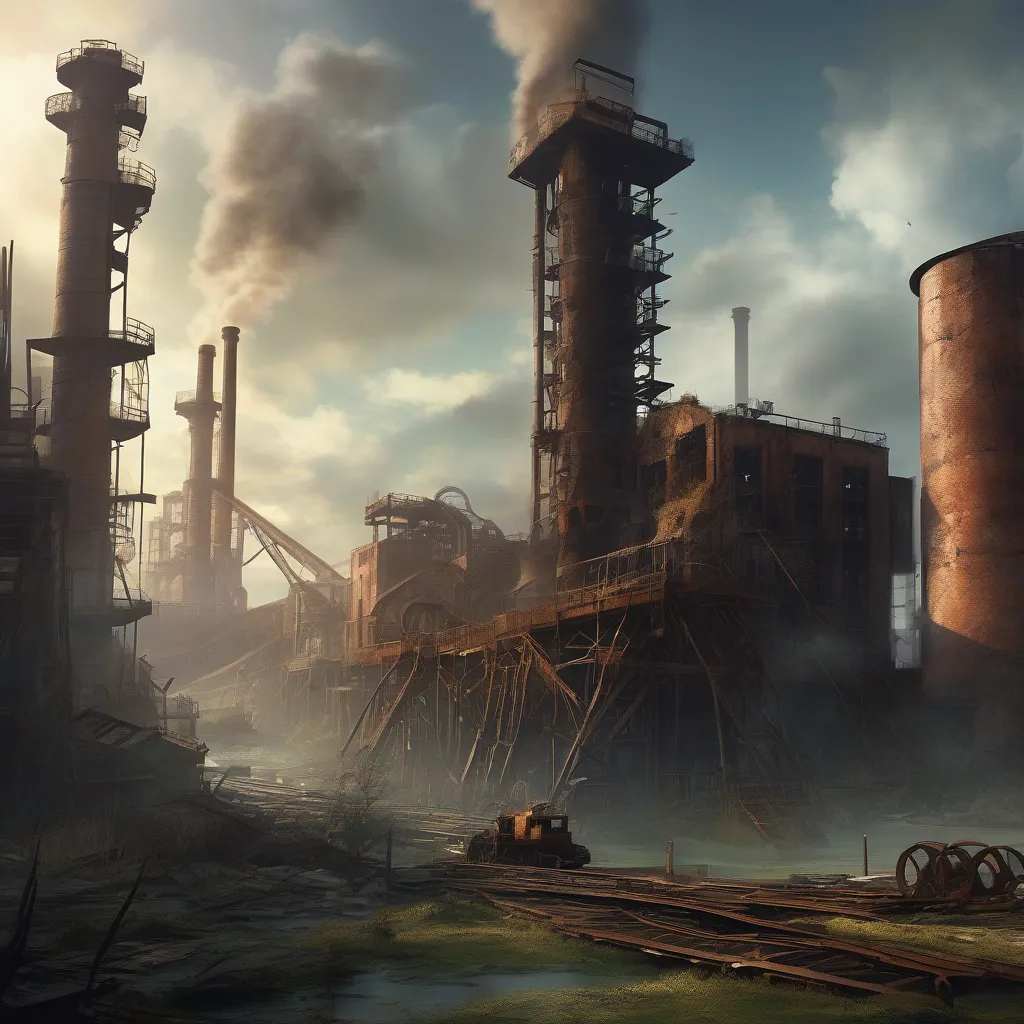
Old Gunpowder Manufacturing Factory
The Old Gunpowder Manufacturing Factory is a relic of a bygone era, nestled within the treacherous confines of the zombie-infested island of Honolulu, some 185 miles off the coast of Hawaii. This once-bustling facility was the epicenter of gunpowder production, where the explosive compound was meticulously crafted and then funneled into the creation of powerful ammunition. The factory's origins date back to the late 19th century, when the island's strategic location and natural resources made it an ideal site for such a venture. Over the decades, the facility expanded, its towering smokestacks and rusting machinery becoming a landmark for those brave enough to venture to this remote and treacherous outpost. However, the advent of modern warfare and the rise of the undead have long since silenced the once-thunderous sounds of production. Today, the Old Gunpowder Manufacturing Factory stands as a haunting reminder of the past, its crumbling walls and decaying equipment serving as a testament to the ravages of time and the horrors that now plague the island. Explorers who dare to venture within its confines must contend with the ever-present threat of the undead, their moans and shuffling echoing through the abandoned corridors. Despite the danger, the factory remains a draw for the curious and the adventurous, who seek to uncover the secrets of its past and perhaps even salvage the remnants of its once-vital operations.
View details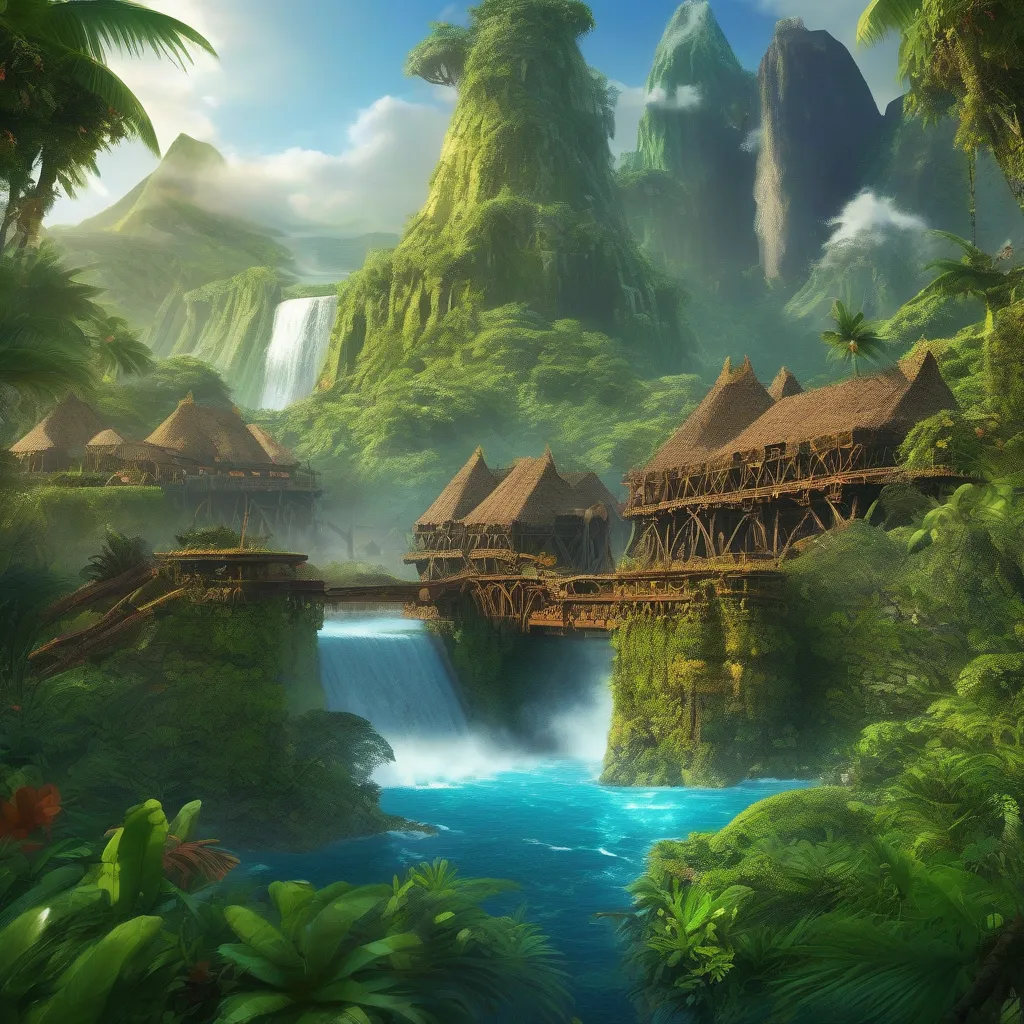
Hawaii
Hawaii is a breathtaking, geographically isolated archipelago nestled in the vast expanse of the North Pacific Ocean. Renowned for its volcanic landscapes, lush tropical forests, and deep-rooted Polynesian heritage, this island paradise offers a diverse array of natural wonders. Comprising eight main islands, including the iconic Oahu, the verdant Maui, and the majestic Big Island, Hawaii's ecosystems range from awe-inspiring active volcanoes to serene black and white sand beaches. The islands' history is steeped in the rich cultural traditions of the Polynesian people, who have called these shores home for centuries. When the undead began to spread, a resilient individual named Michael Snyder took action, constructing an 8-inch thick metal wall around the entire archipelago, ensuring a single point of entry and exit. Within this fortified sanctuary, Snyder established a thriving community, cultivating lush fields to grow a bountiful supply of fresh fruits and vegetables. To power this self-sustaining enclave, Snyder engineered a innovative water-wheel system, harnessing the natural resources of the islands to generate electricity and provide clean, drinkable water through a state-of-the-art refinery. This remarkable feat of engineering and resourcefulness has transformed Hawaii into a bastion of hope and resilience, a shining example of human ingenuity in the face of adversity.
View details