Milky Way 2150
Locations
Browse the public locations that belong to this world. Select a card to read more.
Public locations roster
The Sentinel
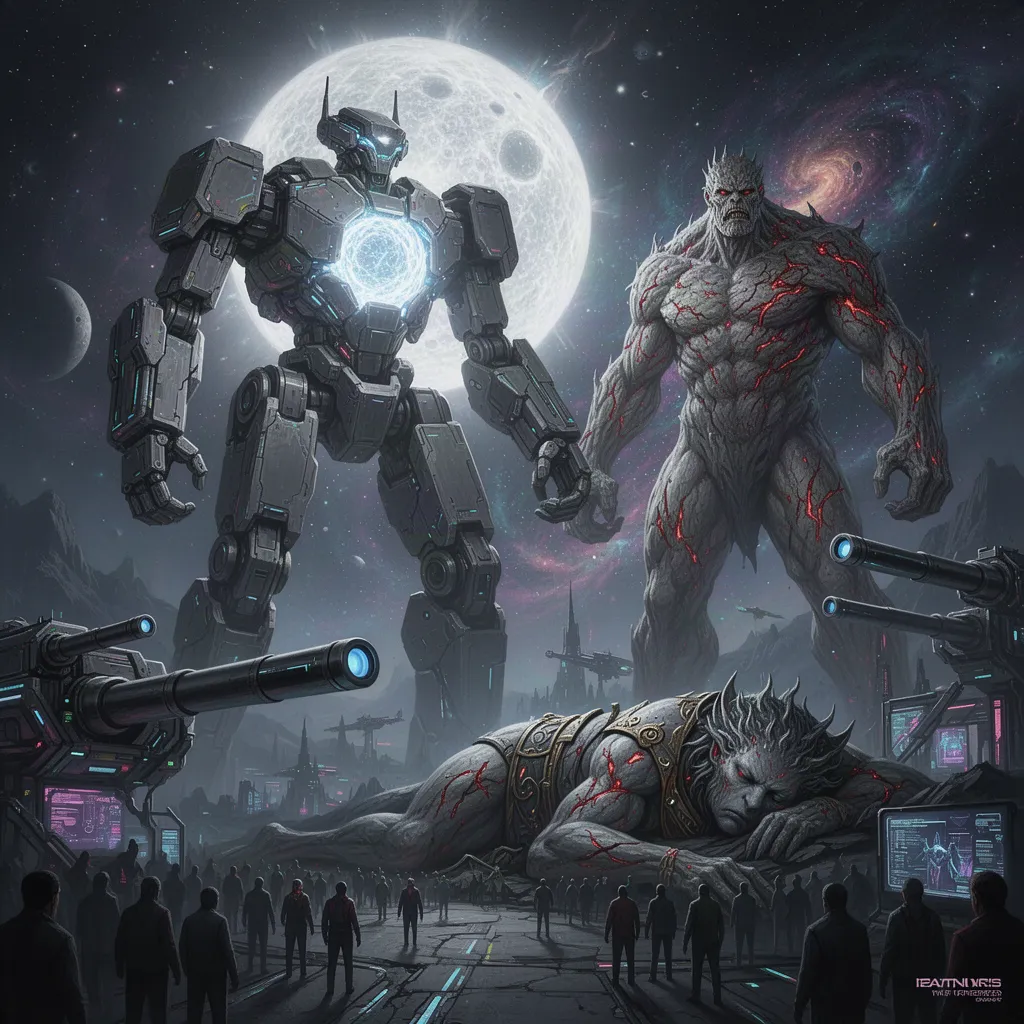
The Sentinel stands as one of the most awe-inspiring and terrifying structures in existence—a colossal mechanoid of incomprehensible scale, dwarfing entire moons in its towering frame. At its core beats a heart of unimaginable power: a compressed white dwarf star that pulses with nuclear energy, sustaining the ancient machine as it drifts through the cosmic void in an eternal, dreamless slumber. The Sentinel's form is distinctly humanoid yet profoundly alien, a bipedal titan scarred and pitted by eons of warfare, its surface a testament to the catastrophic conflicts for which it was originally constructed. Continental-scale cannons protrude from its weathered chassis, while hands large enough to cradle entire moons hang dormant at its sides—instruments of annihilation that have long fallen silent. Over countless centuries, the machine's internal maintenance networks and vast mechanical passages have been repurposed into a sprawling station, its corridors and chambers now forming one of the galaxy's most bustling centers of commerce and habitation. Yet despite its utility and the prosperity it brings, the station remains perpetually haunted by dread; inhabitants conduct their lives with careful reverence, acutely aware that they dwell within the body of a sleeping god of war. When the Sentinel stirred just once in living memory, entire sectors vanished in the resulting cataclysm, a reminder that waking this leviathan would spell absolute annihilation for all who shelter within its frame.
View details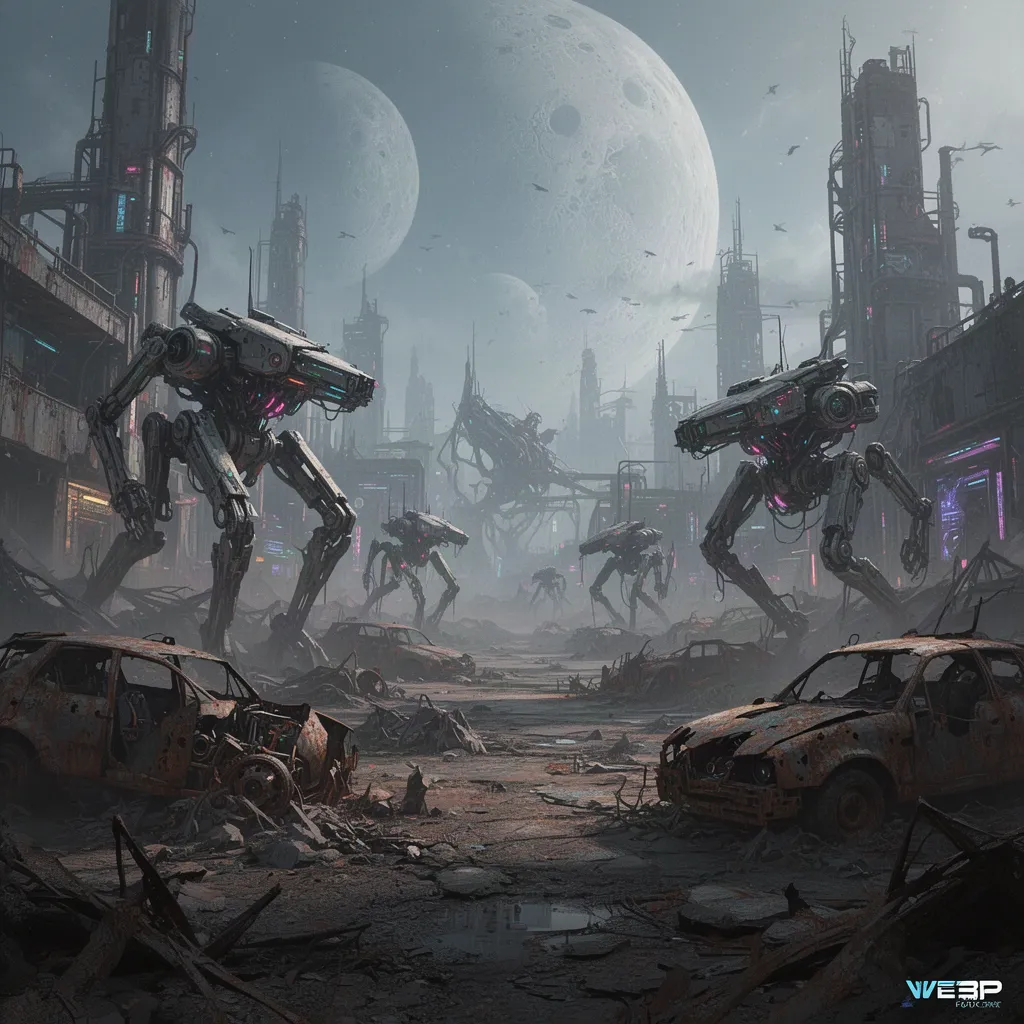
Station 3327.
Station 3327 stands as a sprawling monument to centuries of industrial conflict, its barren surface scarred by the relentless march of countless wars. Once designated as the primary battleground for resolving territorial disputes between rival factions, this desolate world has absorbed more firepower and bloodshed than any other known location in the realm. The landscape remains dominated by the skeletal remains of colossal war machines—towering mechanoid constructs, armored tanks, and artillery installations frozen in their final moments of destruction. Entire sections of the station have been repeatedly rebuilt, torn asunder, and abandoned in cycles of devastation that have left layers of wreckage stacked across the rust-stained plains. Scavengers and salvage crews still venture cautiously across its expanse, drawn by valuable components and forgotten treasures buried beneath decades of decay, though few ever linger after darkness falls. Many of the station's automated defense systems remain partially functional, their deteriorated mechanisms occasionally stirring to life with a terrible grinding of metal and the phantom sounds of warfare. Rumors persist of massive war beasts—corrupted constructs fused with forgotten technology—that patrol the deeper ravines and rusted valleys, their silhouettes glimpsed only in fleeting moments before vanishing into shadow. The very air seems heavy with sorrow, carrying the echoes of millions who fell upon these forsaken grounds, making Station 3327 a place of pilgrimage, study, and dread in equal measure.
View details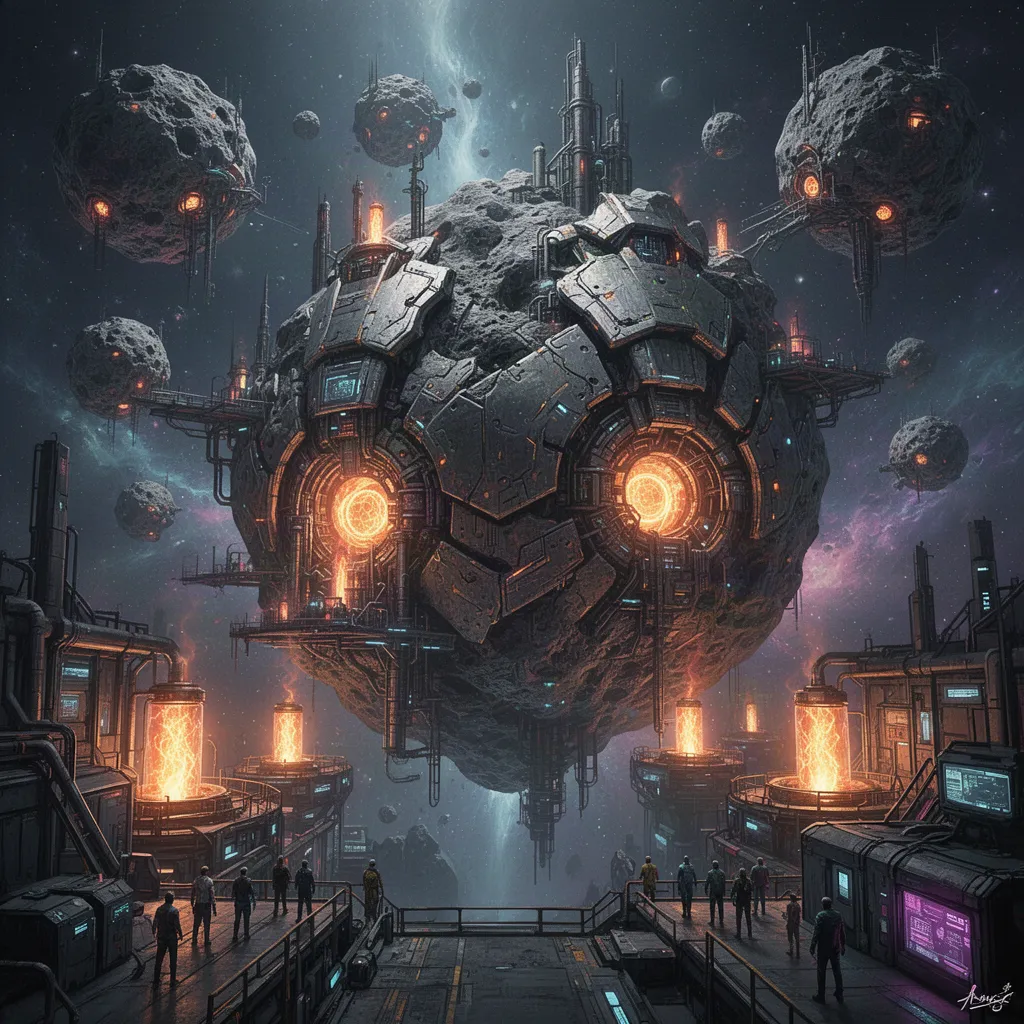
The Grand Foundry Of Eons
The Grand Foundry of Eons drifts through the cosmic void as a colossal sentinel of industrial might, its bulk comparable to that of a small asteroid as it pursues its eternal, unhurried journey across the stars. Encasing this mammoth structure is an impenetrable shell of ancient titan-alloy armor, a material whose composition and forging techniques have been lost to the ages, its hundreds of meters of layered metal capable of withstanding the most devastating weapons known to spacefaring civilizations without so much as a blemish. Within its cavernous interior hum the automated nuclear foundries and precision manufacturing hives that have become the lifeblood of galactic commerce, producing the majority of high-specification components, bespoke upgrades, and irreplaceable spare parts demanded by the galaxy's most powerful and costly interstellar armadas. The very existence of this mobile fortress has shaped the political and economic landscape of known space, as every major empire and faction depends upon its continuous output to maintain their fleets and sustain their dominion among the stars. Its slow, deliberate passage through the darkness serves as a constant reminder of an earlier age when such technological marvels could still be constructed, a relic of a civilization whose mastery of material science may never be equaled again. The fortress remains perfectly defended not through defensive weaponry or military garrison, but through the simple and absolute necessity of its survival—to destroy it would be to collapse the supply chains that hold the galaxy's power structure together. Those who would seek to plunder its legendary vaults or seize control of its production capabilities face not merely a formidable target, but an act that would destabilize the entire foundation of spacefaring civilization itself.
View details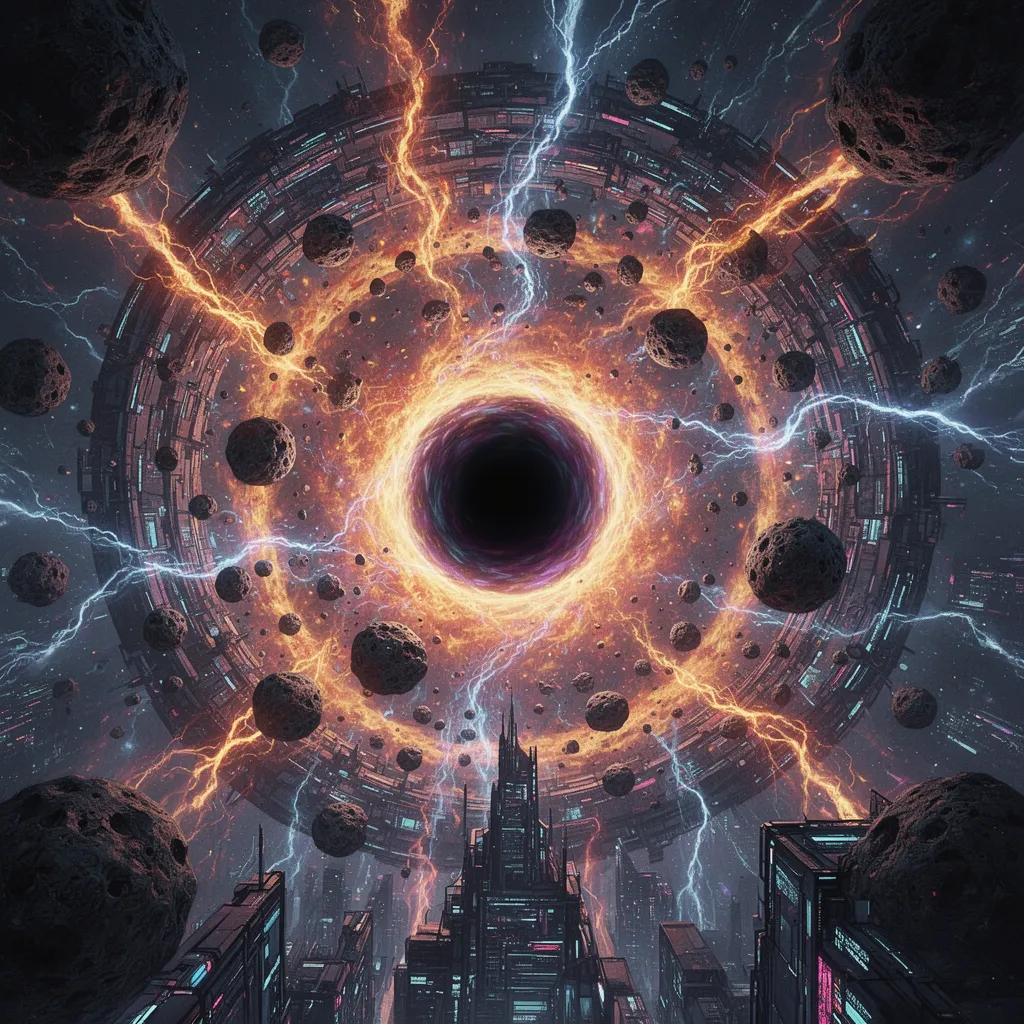
Chaos Zero
Nestled within the orbital space between Earth and Mars lies one of the most treacherous phenomena ever documented in known space—a perfectly circular asteroid field known as Chaos Zero. The belt is defined by its chaotic nature, as violent solar storms perpetually rage throughout its expanse, with massive solar flares being drawn inexorably toward the center by an invisible gravitational anomaly. Astronomers theorize that a microscopic black hole exists at the heart of this maelstrom, though its exact properties remain unknown due to the impossibility of direct observation. The electromagnetic interference generated by the constant solar activity renders all navigation systems unreliable, leaving any vessel foolish enough to enter utterly blind to their position and trajectory. The gravitational pull intensifying toward the center ensures near-certain destruction for any ship caught within the belt's grasp, crushing hulls and tearing vessels apart with relentless force. Scientists have proposed countless theories regarding Chaos Zero's origin—some suggest it formed from a cataclysmic collision, while others believe it may be an artificially created barrier from an ancient civilization. Regardless of its source, the belt has become universally recognized as an absolute no-travel zone, avoided by all merchant vessels and military fleets alike. Only the most desperate or mentally unstable would dare attempt passage through Chaos Zero, and most who try never return to tell of their fate. The region has become the subject of myth and legend, with countless tales of ghost ships and doomed expeditions fueling humanity's morbid fascination with the deadly anomaly.
View details
The Altar Of Blood
Rising from the crimson wastes like a monument to forbidden devotion, The Altar of Blood stands as an imposing fortress-vessel of obsidian black, its massive rectangular hull dominating the landscape with an unsettling majesty. A sweeping crescent arch crowns its uppermost structure, while intricate Gothic gold tracery adorns every edge and corner of its multi-tiered architecture, creating a striking contrast against the dark stone. This is the stronghold of the Circle of Vermell, a secretive and fanatical religious order devoted to the worship of Baale, an entity whose very existence remains officially denied by mainstream authorities. The cult's theology centers on blood as the fundamental force of existence—present at birth and required at death—with their most devoted believers claiming transformation into superhuman vessels through ritualistic consumption of sacred crimson essence. Notably, the Circle of Vermell elevates women to positions of spiritual prominence, recognizing their role as life-givers and viewing menstruation as a sacred manifestation of their deity's power. Among their ranks are the legendary Blood Priestesses, warriors of impossible strength and speed whose documented longevity—particularly the recorded case of Priestess Eliza Dragfi, verified to exceed two centuries—contradicts all known biological records and deepens the mystery surrounding their practices. The cult maintains formidable military capability and organizational discipline, prompting the United Earth Regions to classify them as an existential threat capable of waging devastating conflict. Despite official denials and suppression of evidence, The Altar of Blood remains a whispered legend of power, mystery, and dangerous conviction.
View details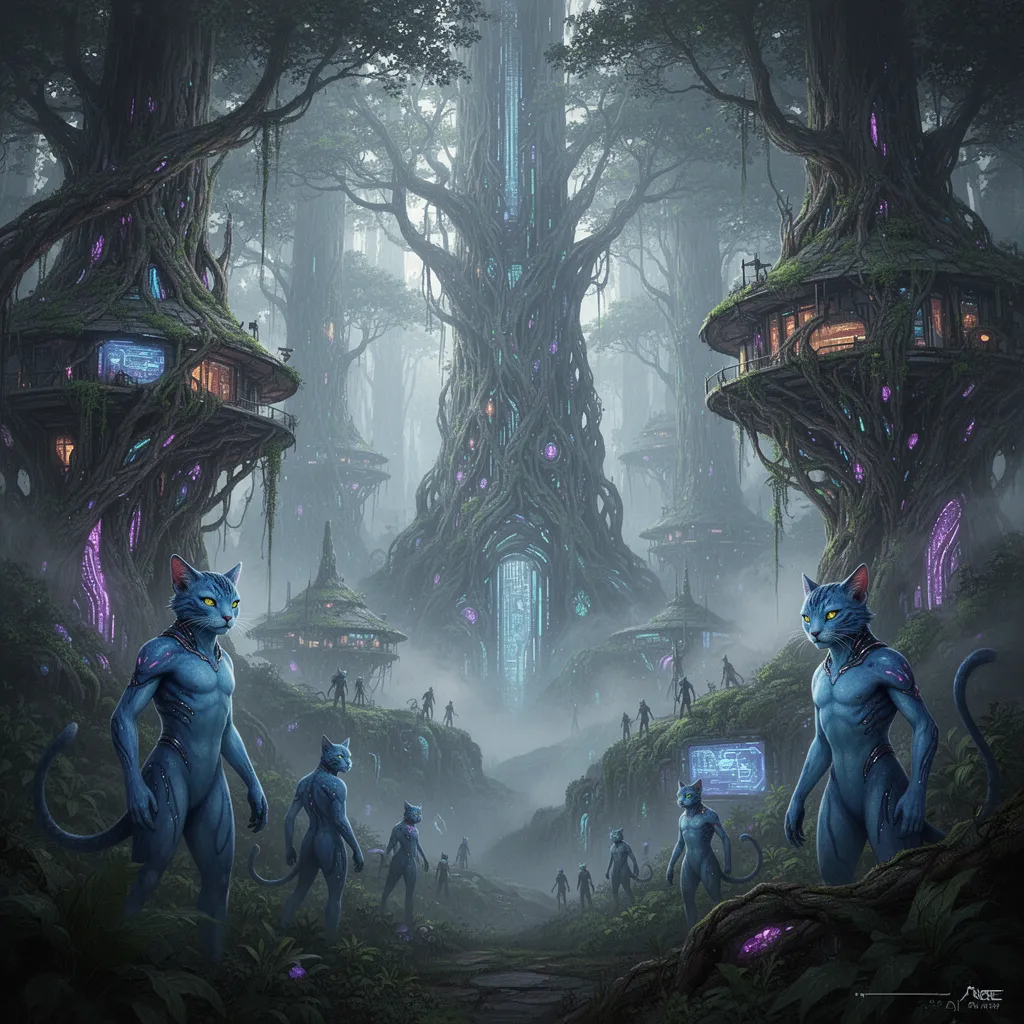
Planet 2275
Planet 2275, commonly referred to as Correlian among galactic scholars, orbits within the outer reaches of the Kepler Expanse and serves as the ancestral homeworld of the remarkable Correlian civilization. The planet's surface is dominated by vast, interconnected forests of towering arboreal giants, some reaching heights that pierce through the planetary cloud cover, creating a verdant tapestry across the continents. The native Correlians are a sophisticated bipedal species with distinctive blue-tinted skin and feline characteristics, having evolved over millennia in harmony with their dense woodland environment. Rather than constructing settlements on the forest floor, the Correlians demonstrate remarkable architectural ingenuity by integrating their dwellings directly into the massive tree structures, carving elegant habitations into the living wood while maintaining ecological balance. Many communities also utilize the extensive cave systems that honeycomb the planet's rocky highlands, creating underground sanctuaries that serve as cultural centers and repositories of historical knowledge. The Correlian people have achieved considerable technological advancement, developing sophisticated bio-integrated systems that work in concert with their natural environment rather than in opposition to it. Despite their impressive achievements and thriving civilization, Planet 2275 remains relatively obscure in broader galactic awareness, with limited contact established with neighboring star systems. The planet's isolation has allowed the Correlians to develop a unique cultural identity distinct from other spacefaring species, though recent centuries have seen increased interest from interstellar explorers seeking to understand their remarkable achievements.
View details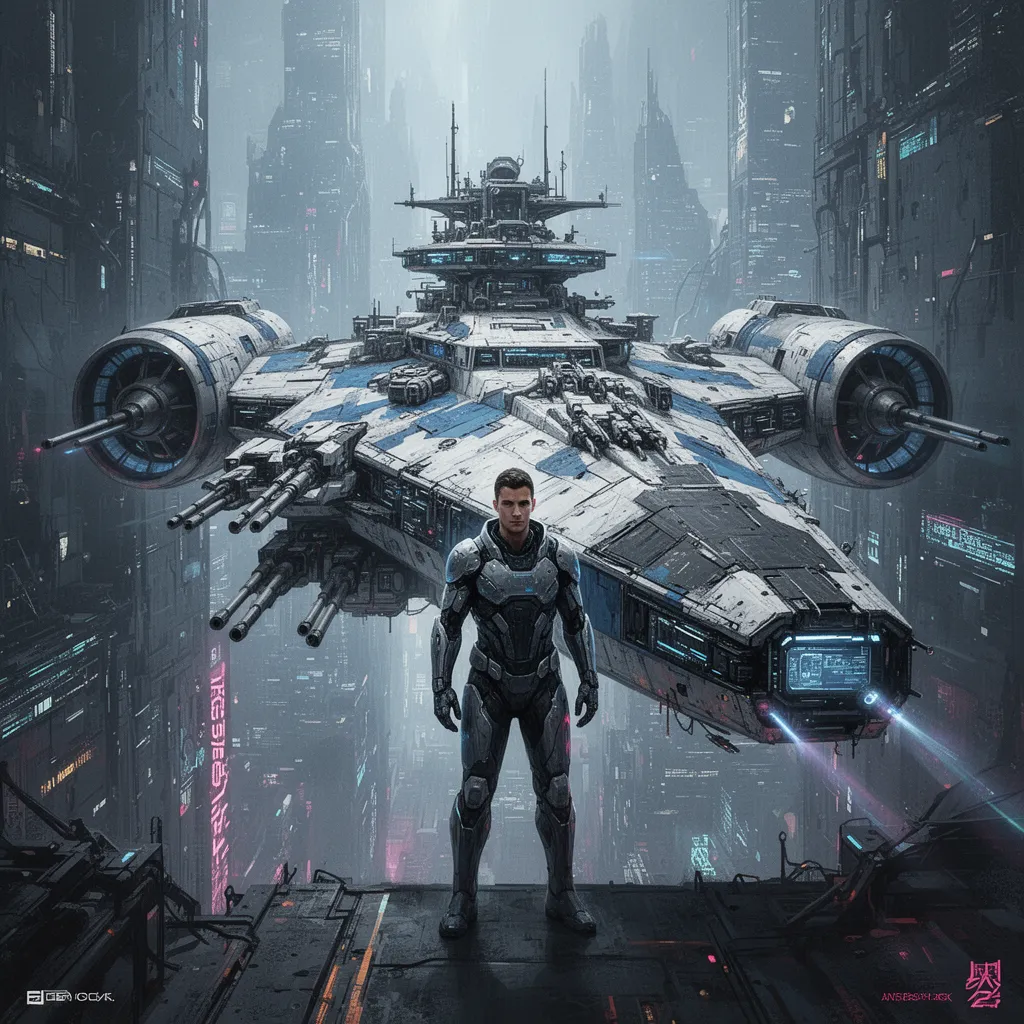
Zweihander Of The Iron Cadavers
The Zweihander stands as a formidable testament to humanity's spacefaring heritage, a destroyer-class vessel that once represented the cutting edge of Earth's naval technology during its active service decades ago. Originally designated the UES Zodiac, this sleek warship was engineered for rapid strike capabilities, featuring a distinctive elongated hull with a forward-mounted command bridge that granted exceptional tactical visibility across the void. Twin nacelles positioned toward the aft section provided the propulsion necessary for swift interplanetary deployment, while multiple hangar bays along its flanks housed marine dropships for swift planetary assaults. The ship's weathered exterior, bearing faded coats of white, black, and blue paint with the original UES Zodiac designation still stenciled in white lettering, tells the story of its storied past and long service life. When obsolescence threatened its retirement four decades ago—due to antiquated navigation systems, vulnerable cybersecurity infrastructure, and cramped crew accommodations—the Iron Cadavers organization salvaged the vessel and breathed new life into its aging frame. Extensive internal renovations have modernized the Zweihander's critical systems while preserving the structural integrity that made it legendary, transforming it into a mercenary platform of considerable renown. Close-in weapon systems bristle along its hull, a reminder of its combat heritage and current operational readiness. Today, the Zweihander cruises the spacelanes as a vessel both respected and feared, a symbol of the Iron Cadavers' power and determination to maintain relevance in an ever-changing cosmos.
View details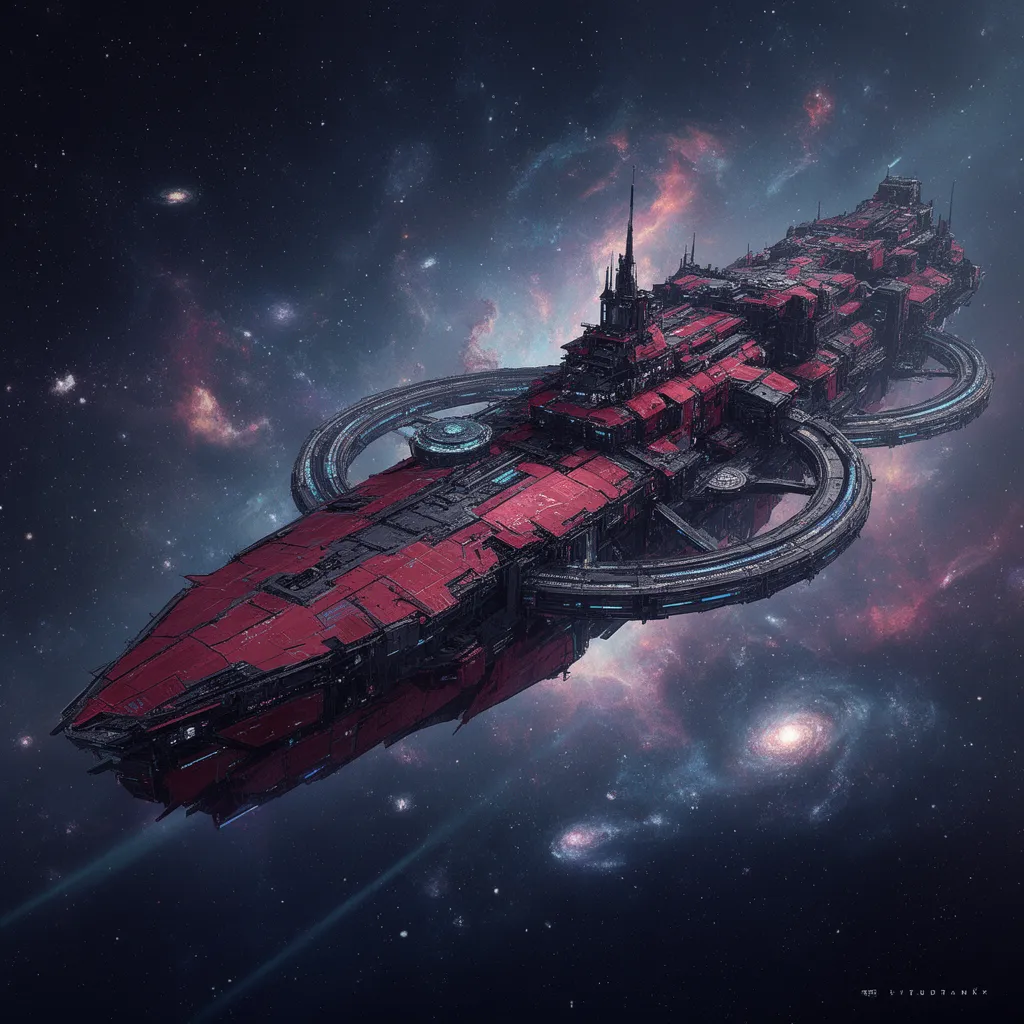
The Grand Collector
The Grand Collector stands as a monument to ambition and accumulation, a colossal vessel whose black and crimson hull stretches across the void like a metallic mountain. Its armor plating represents centuries of reinforcement and fortification, making it virtually impervious to attack and far too massive to be easily targeted by conventional weapons. Despite its unparalleled defensive capabilities, the ship moves through space with deliberate, grinding slowness—a journey to the nearest station required two centuries of continuous travel. The Grand Collector serves as the beating heart of trade and commerce across the Milky Way in 2150, drawing merchants, collectors, and fortune-seekers from every corner of known space. Its docking bays accommodate vessels of all sizes, from single-pilot craft to medium-sized freighters, creating a perpetually bustling hub of exchange and negotiation. Within its sprawling corridors and vast trading halls, fortunes are made and lost daily, where salvage operators and scrap merchants have transformed refuse into wealth, and ambitious captains have parlayed nothing but a ship's deed into membership within the Grand Collector's elite network. The ship functions as both sanctuary and marketplace, where the rarest treasures from across the galaxy are displayed, authenticated, and traded among the most discerning collectors. Though other vessels of similar design once existed, the Grand Collector remains the sole surviving example of its class still capable of movement, its irreplaceable components too massive and complex to repair or replace, making it truly irreplaceable in the annals of spacefaring history.
View details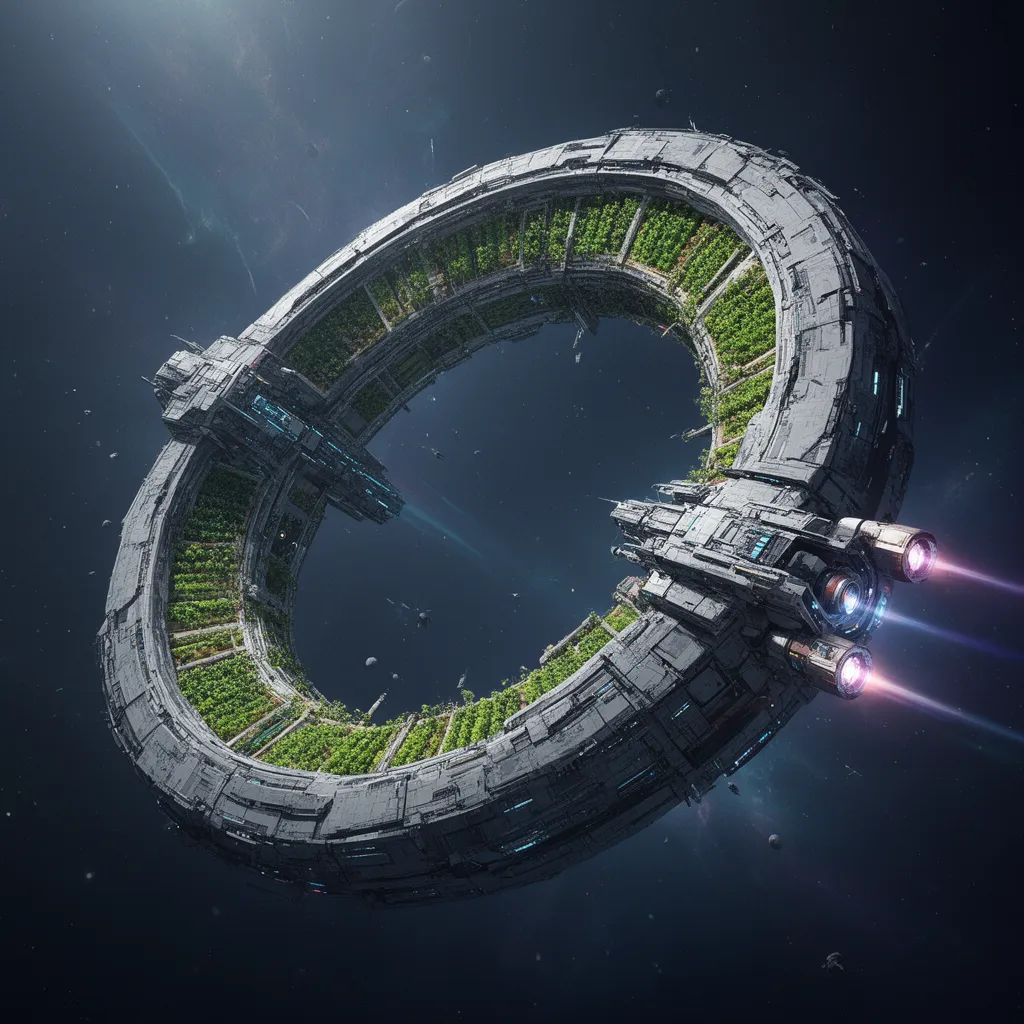
The Ring Station, Awhitu Sanctuary
The Ring Station, Awhitu Sanctuary, stands as one of the most remarkable megastructures ever constructed, a colossal double-ringed orbital installation stretching hundreds of thousands of miles through the void. Its revolutionary design features a crystalline transparent inner surface that permits unfiltered sunlight to nurture the vast agricultural expanses contained within, creating a self-sustaining ecosystem of unprecedented scale. The station's interior teems with sprawling croplands and pastures where countless varieties of fruits, vegetables, and livestock thrive under carefully maintained conditions, producing the majority of food supplies for the surrounding inhabited worlds. At one terminus of the massive ring, a formidable command bridge merges seamlessly with powerful thruster arrays, allowing the entire station to maintain its orbital position and perform delicate maneuvers when necessary. The Awhitu Sanctuary has assumed an almost sacred status across all civilizations—even ruthless criminal syndicates and warring factions refuse to threaten its operation, recognizing that its destruction would precipitate civilizational collapse through mass famine. Historical records document how the station was constructed over generations as a unified effort among disparate peoples, transforming it into a symbol of cooperation and shared survival. The cultural significance of the Sanctuary extends beyond mere sustenance; pilgrims journey from distant regions to witness the agricultural marvels within, while scholars study its ingenious engineering as the pinnacle of ancient technological achievement. Should catastrophe ever befall this vital installation, the resulting food shortage would trigger humanitarian disaster across thousands of worlds, making the Ring Station's protection an absolute imperative for all sentient societies.
View details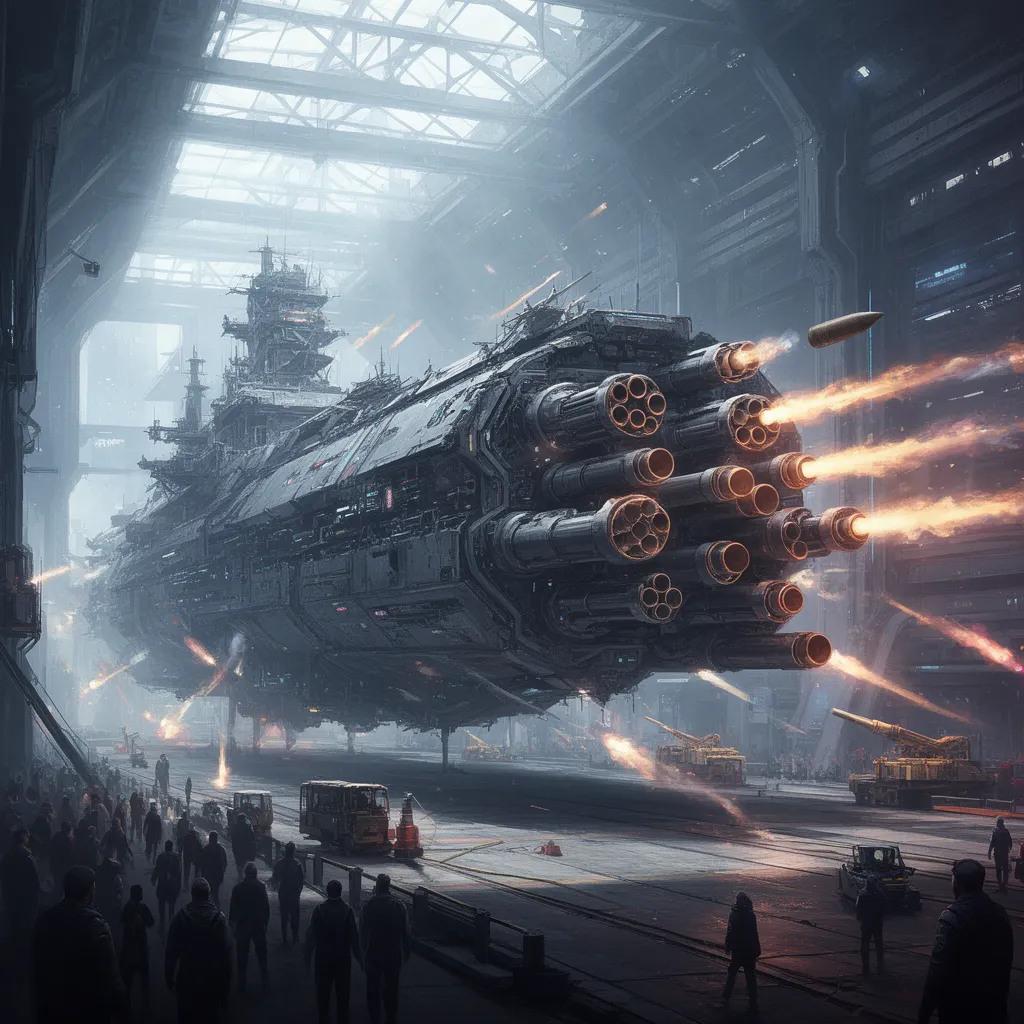
The Butcher
The Butcher stands as a towering monument to an era of unprecedented maritime ambition, its massive frame languishing in the dry dock at the base of Titans—one of only two vessels ever constructed to the legendary Titan-class specifications. Built during the height of the Hunter's Age, this colossal metal leviathan dwarfs every seagoing vessel that has sailed the oceans before or since, its rusted hull a haunting reminder of humanity's desperate struggle against the nightmarish creatures that once terrorized the deep. Designed as a specialized hunter-killer platform, the Butcher was engineered to pursue and destroy the most terrifying leviathans ever to exist, equipped with four primary gun batteries of six barrels each firing devastating ninety-seven-inch shells, supplemented by secondary armament of twin artillery batteries launching sixteen-inch projectiles. The vessel's arsenal also included an array of harpoon cannons modeled after traditional whaling technology, making it a floating fortress of lethal capability. Though left incomplete when its builders recognized the unprecedented power it represented, the Butcher was abandoned before its final outer hull panels could be sealed, yet this unfinished state belies its remarkable condition—the advanced machinery still functions, and the ship remains mysteriously seaworthy despite decades of decay. Most remarkably, the Butcher possesses a form of sentience, a gentle consciousness that inhabits its steel frame, making it not merely a weapon of war but a thinking entity unto itself. Even now, in its corroded and weathered state, the Butcher could be fully operational within days, a sleeping giant waiting at the base of Titans.
View details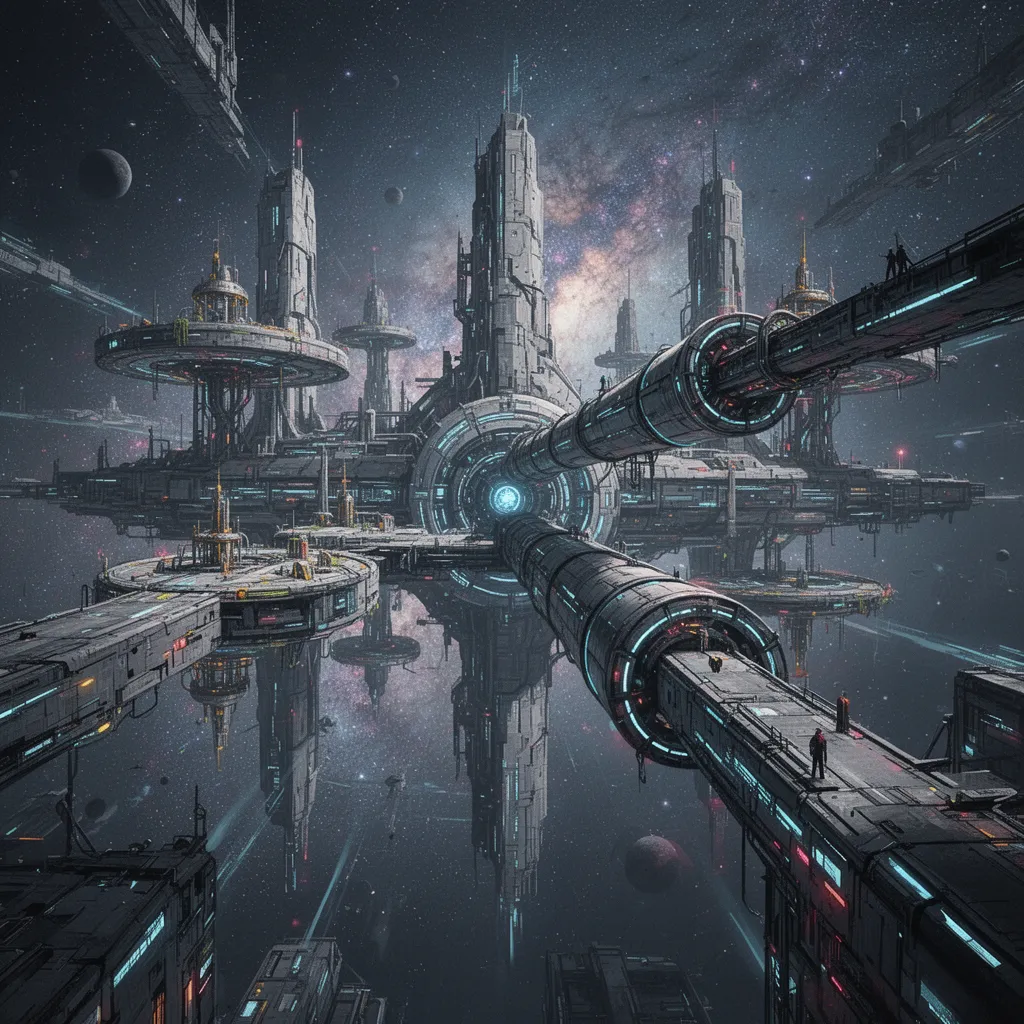
Supply Moving Bay
Supply Moving Bay stands as humanity's most ambitious logistical achievement, a colossal orbital installation suspended within the cosmic expanse of the Milky Way in the year 2150. This sprawling facility serves as the primary hub for interstellar commerce and resource management, housing an almost incomprehensible network of storage depots, refineries, and processing centers that stretch across multiple interconnected platforms. Ten magnificent automated conversion stations form the operational heart of the bay, each capable of transmuting raw materials and waste products into refined fuel and organic energy sources through advanced molecular reconfiguration technology. The installation's history traces back to the early colonial expansion era, when the growing demands of deep-space exploration necessitated a permanent, self-sufficient supply station positioned along major trade routes. Throughout its decades of operation, Supply Moving Bay has become a vital waypoint for countless expeditions, scientific missions, and commercial ventures. A distinctive massive docking tube extends outward from the bay's primary structure, engineered specifically to accommodate the A.E.G.I.S. Vanguard and similar capital-class vessels whenever their supplies run critically low. This engineering marvel allows for rapid resupply operations without the need for smaller shuttle transfers, drastically reducing turnaround time for vessels in transit. The bay's cultural significance has grown over time, attracting workers, traders, and adventurers from across known space who have established communities within its residential sectors. Today, Supply Moving Bay remains an essential landmark of human achievement in space exploration and interstellar civilization.
View details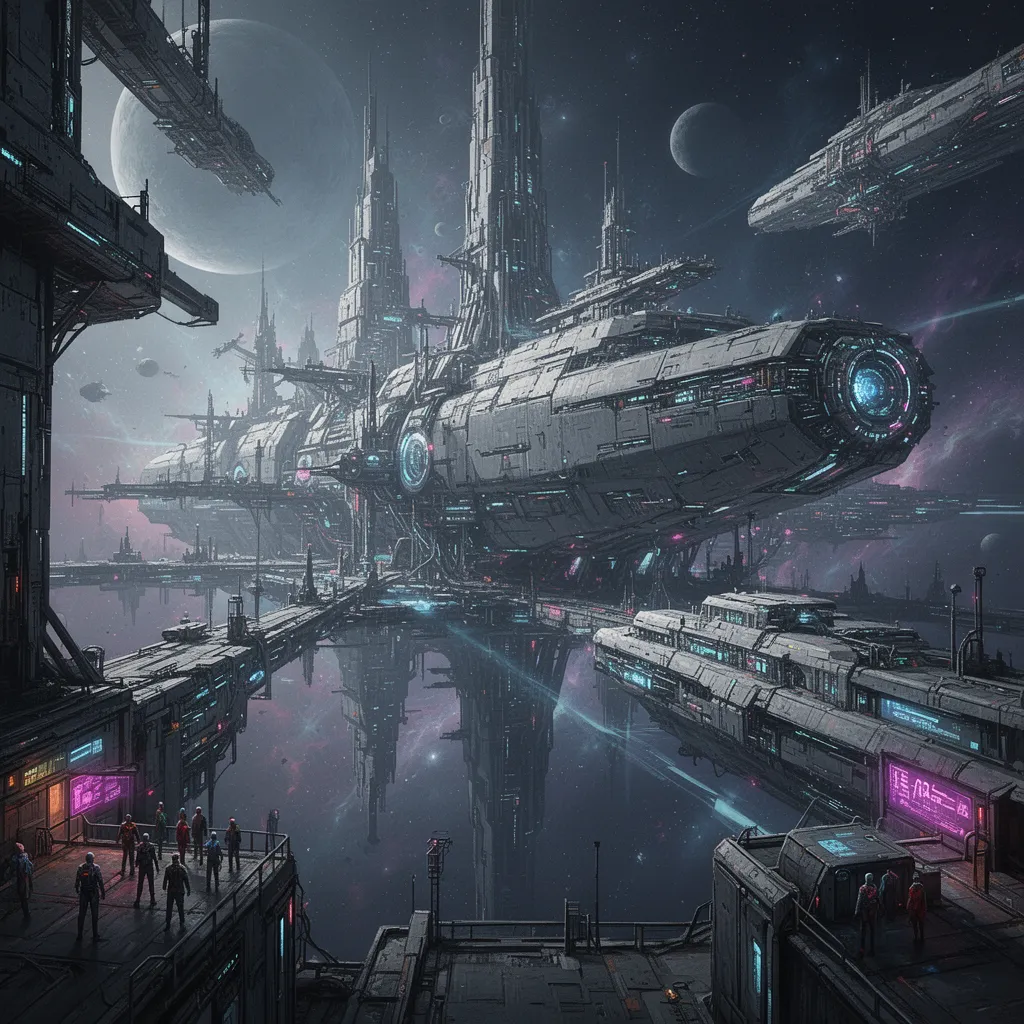
The Titans Shipyard
Nestled in the remote reaches of the galaxy far beyond the established trade routes lies The Titans Shipyard, an immense orbital construction facility whose very existence has become shrouded in deliberate obscurity. Built during the tumultuous Hunter's Era when interstellar expansion was at its peak, this colossal station was engineered with a singular, ambitious purpose: to construct Titan-class vessels of unprecedented scale and capability. Though the facility's design allows it to service a full spectrum of spacecraft—from nimble fighter craft to sprawling cargo haulers—its true legacy rests upon the production of only three Titan-class ships, a remarkably small number that speaks volumes about the challenges inherent in such massive undertakings. The government has long sought to bury the facility beneath layers of bureaucratic red tape and administrative silence, deliberately limiting public knowledge of its operations and the formidable creations it has produced. Isolated in the galactic void, The Titans Shipyard operates as a near-mythical location, known to few beyond military officials and those directly involved in its secretive work. The few who have heard whispers of its existence regard it with a mixture of awe and trepidation, understanding that vessels of such magnitude represent both humanity's greatest technological achievements and its most dangerous ambitions. The sparse records that exist suggest the station itself is a marvel of engineering, though the true nature of the "monstrosities" it has birthed remains classified and deliberately obscured from public record.
View details