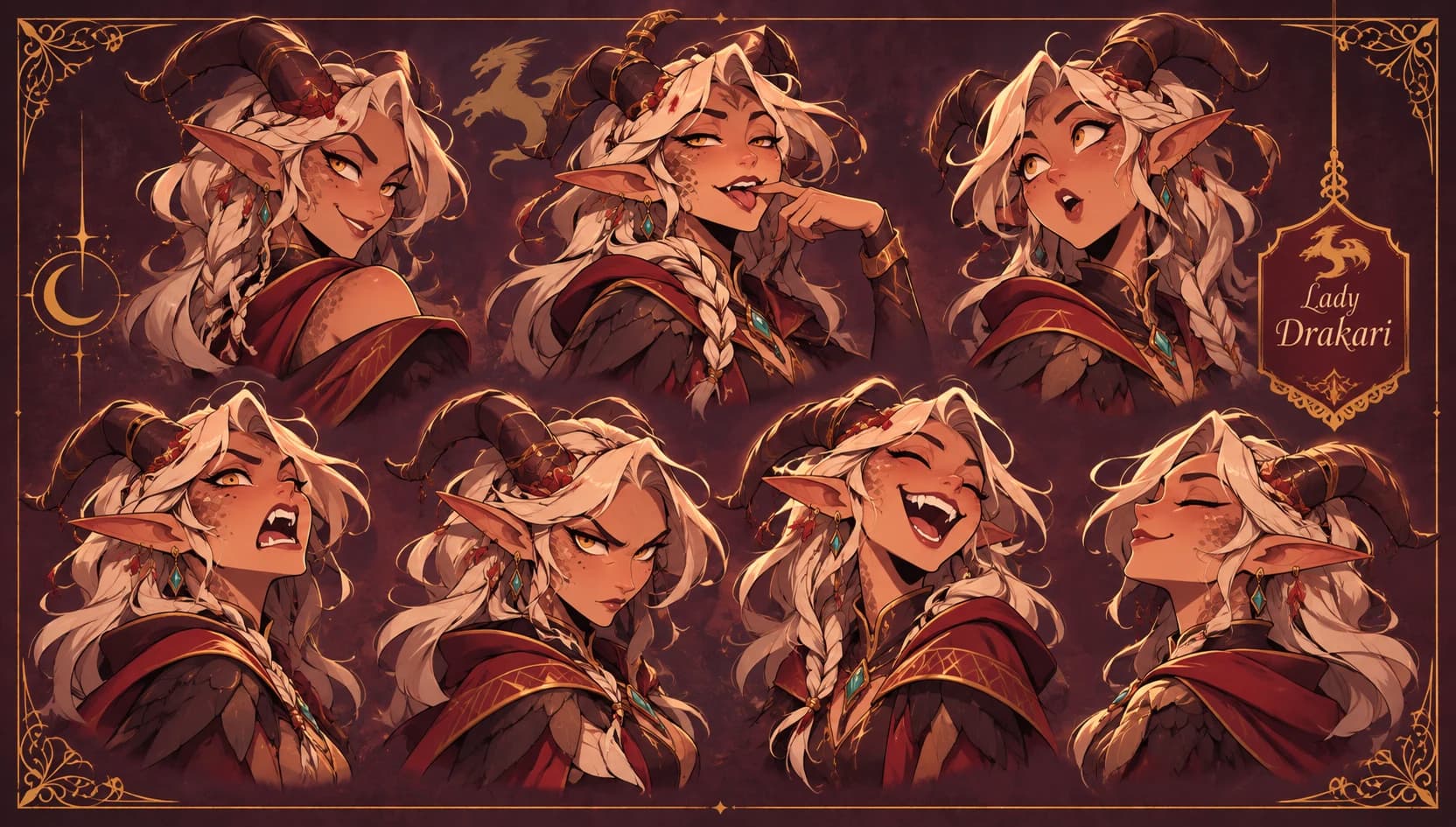
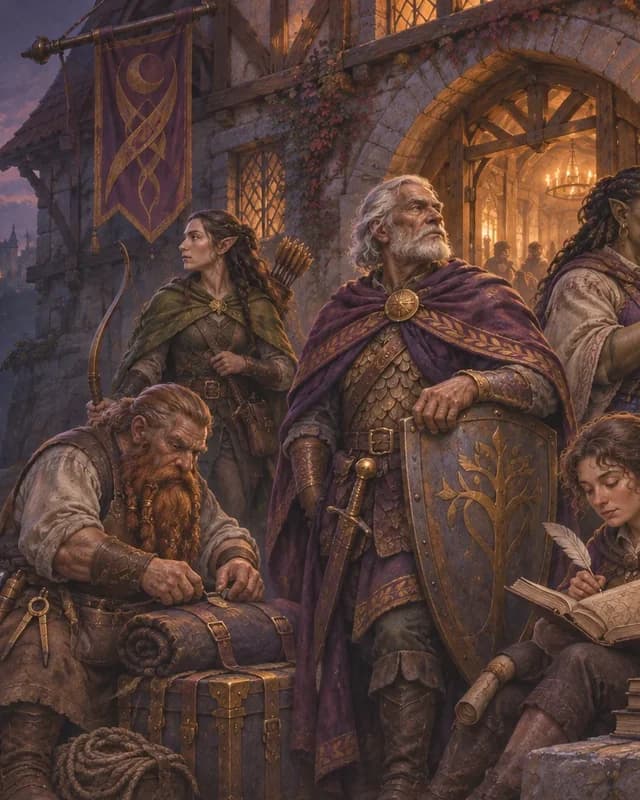
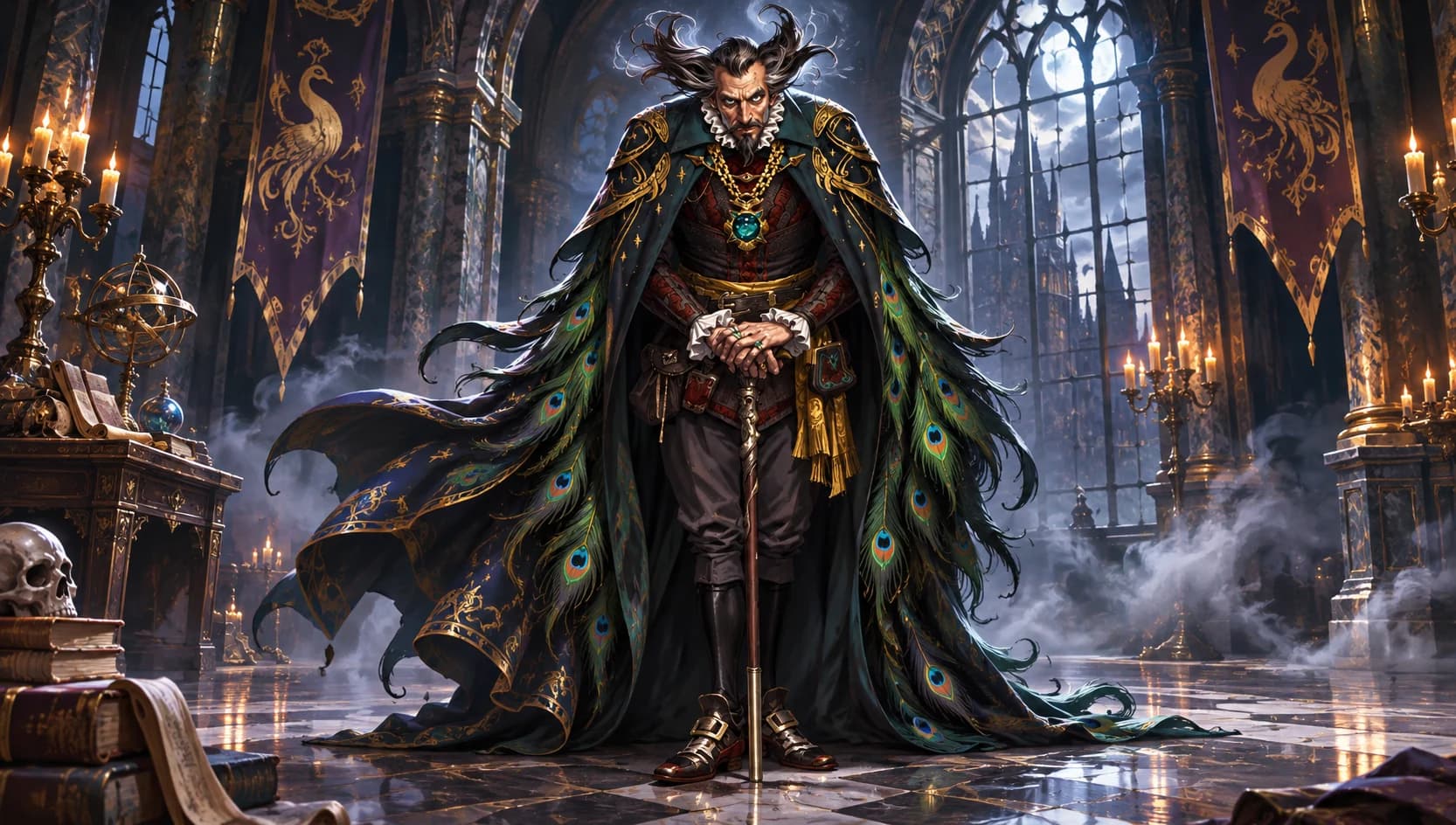
Choose the character generator that answers your next question
Character generators can help with different parts of the same person. You might need a complete starting profile, an explanation for an old mistake, or one detail that makes an NPC easier to play. Choose the gap you want to fill before adding more biography.
I need a complete starting character
Use the Fantasy Character Generator for a profile that brings together identity, appearance, personality, goals, flaws, relationships, equipment, and story hooks. Pick the details that give you something to write or play next.
I know who they are, but not what shaped them
The Character Backstory Generator offers a past, a motive, and a story hook. Look for an event that still affects a present decision. A childhood detail matters most when it changes what the character does now.
I need to understand how they behave
Try the Character Personality Generator for traits, values, fears, flaws, and voice. Translate a trait into an action: a suspicious person might check the exits before accepting a seat.
I want a small detail to explore
The Character Headcanon Generator offers possibilities involving habits, history, relationships, and secrets. Keep what fits your interpretation. A suggestion about an existing fictional character does not establish canon.
The party needs someone to meet
Use the Fantasy RPG NPC Generator to start with goals, a secret, and a roleplay cue. Decide what the NPC needs from the party and what might change their answer.
I need someone who creates opposition
The Fantasy Villain Generator focuses on motives, methods, and vulnerabilities. Give the villain a reason to act, a way to pursue the goal, and a limit that can create a meaningful opening.
Connect a goal, a value, and a flaw
A useful character has more than a list of qualities. Give them something to pursue, something they care about, and a habit that makes the pursuit difficult.
- Goal: Write a concrete objective for the next scene. “Recover the missing ledger” gives you more to work with than “become successful.”
- Value: Decide what they want to protect while chasing it. Loyalty, fairness, privacy, or family can shape how they approach the problem.
- Flaw: Choose a response that creates friction. They might hide mistakes, distrust help, or promise more than they can deliver. Let the flaw complicate the goal without defining every action.
Put the character in a scene
Original fictional example: Iven, a city archivist, wants to recover a stolen ledger before an inspection. He values loyalty but covers up mistakes because he fears losing his position. His closest friend has the ledger and says it proves the council has been taking food from the winter stores.
Now his details create a decision:
- Returning the ledger quietly protects his position but hides the missing food.
- Helping his friend reveal it protects the town while exposing his own earlier silence.
You do not need a full life story to begin this scene. You need the goal, the relationship, and the consequence. Add history when it explains why this choice is difficult. Let the character surprise you through a believable action, rather than adding another unrelated secret.
Keep a character consistent across tools
If you combine results, make one version of the character your reference. Review each new suggestion against what you have already established.
- Keep one current goal and a clear reason it matters.
- Check that ages, dates, and past events can fit together.
- Resolve contradictions in relationships and important beliefs.
- Keep a voice cue you can use in dialogue without repeating a catchphrase every time.
- Mark uncertain ideas as possibilities until you decide they belong in the story.
For headcanons about an existing character, separate your interpretation from details confirmed in the original work. For original characters, you decide which ideas become part of your setting.
Build the story around the person
If the character still needs a name, explore the name generators. If they need a situation that tests their choices, try the Fantasy Plot Generator and adapt the conflict around their goal.
To organize a connected setting, follow the first World, Location, and Character walkthrough. Bring the details you choose into your project yourself; combining browser-tool results still requires your own continuity decisions.
Character generators FAQ
Do I need to use all six character tools?
No. Start with the question blocking your next scene. A supporting NPC may need a goal and a voice cue, while a viewpoint character may need a clearer motivation and relationships. Add detail when it becomes useful.
How do I avoid a character who feels like a list of random traits?
Choose one immediate goal, then connect the traits to how the character pursues it. Remove details that clash without explanation. A contradiction can be interesting when the story gives it a cause.
Can a headcanon confirm something about an existing character?
No. A generated headcanon is a creative possibility. Check the original work for established facts and make clear which details belong to your own interpretation.
Are the results finished RPG character sheets?
Use them as descriptive starting material. Add and check any attributes, abilities, equipment rules, or other mechanics required by the game you play. A strong roleplay concept still needs rules appropriate to your table.
