Choose a creature generator by its role in your world
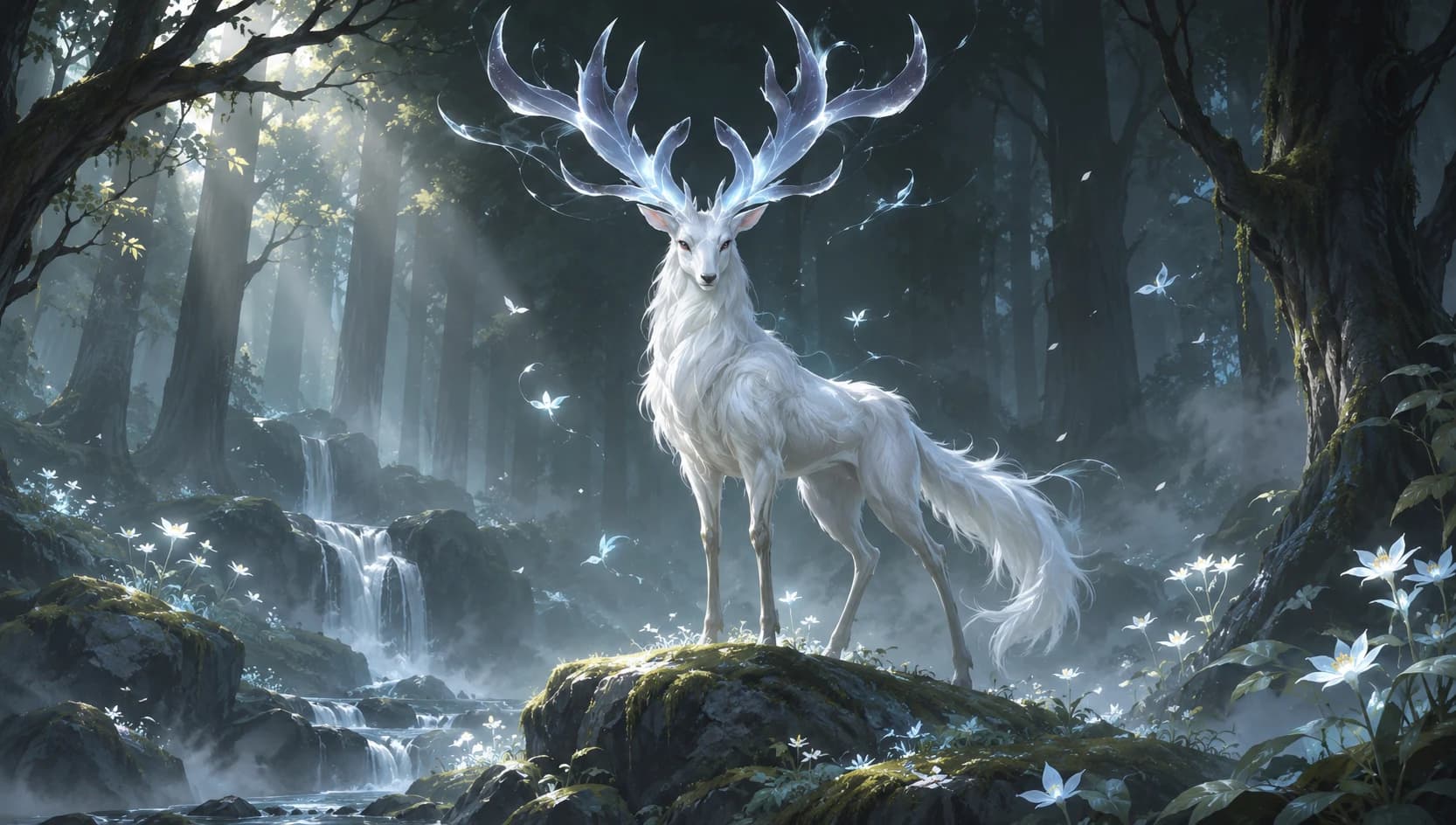
Fantasy creature generators serve different needs. A living inhabitant needs a way to survive. An encounter threat needs behavior the characters can notice and respond to. A fictional species needs room for variation across a population. Choose the tool above that matches the scale of your idea.
| Your starting question | Tool to explore | What to develop next |
|---|---|---|
| How does this creature live? | Fantasy Creature Generator | Connect its habitat, behavior, and limitations to a place in your setting. |
| What makes this encounter dangerous? | Fantasy Monster Generator | Decide what reveals the threat and which responses are possible. |
| What does a whole population share? | Fictional Species Generator | Separate shared biology from individual motives and cultural differences. |
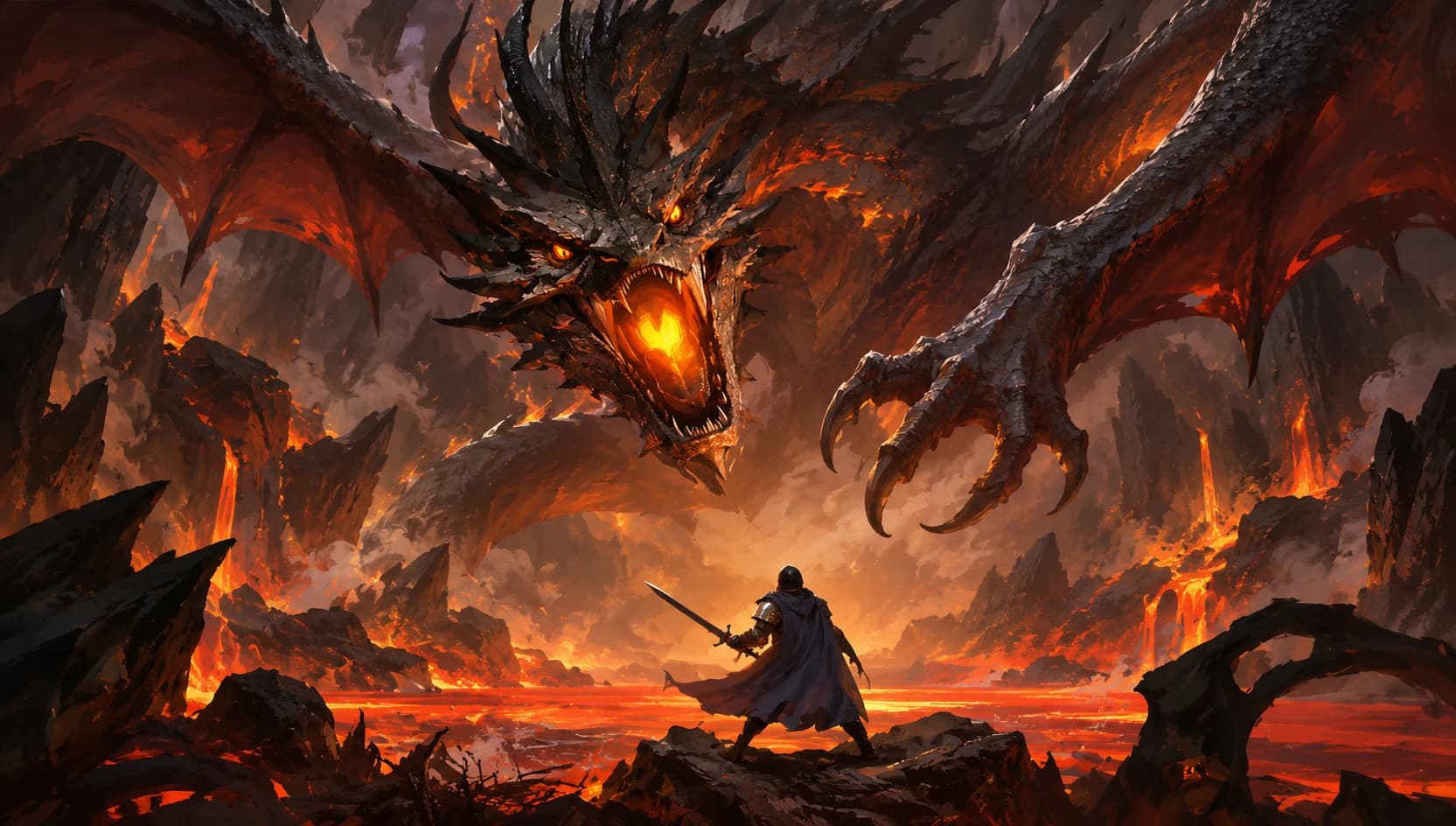
| How does a dragon affect its surroundings? | Dragon Creator | Consider how its needs, abilities, and limits change nearby lives. |
Choose a mood, a habitat, or a mythic starting point
Start with the feeling of the scene
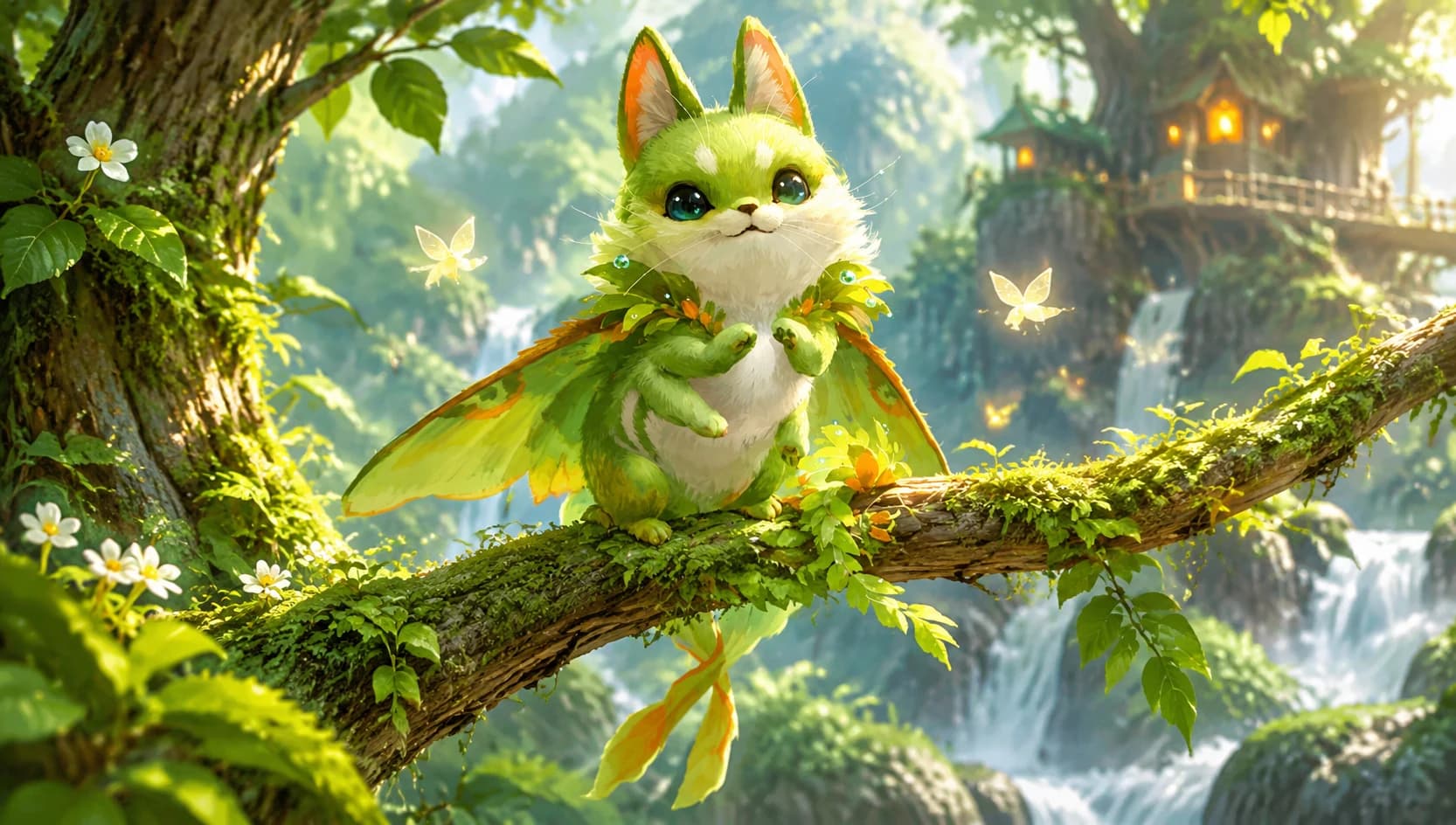
The Cute Creature Generator can begin a gentler idea with its own needs and boundaries. The Scary Creature Generator offers a frightening direction with warning signs and discoverable limits. A gentle creature can still cause trouble, and a frightening one can still have a reason to avoid a fight.
Let the environment shape the design
Use the Sea Creature & Monster Generator for a marine starting point. Ask how depth, movement, food, and contact with the surface affect the creature. A coastal animal and a deep-water threat should create different signs, pressures, and encounters.
Know where inspiration ends and invention begins
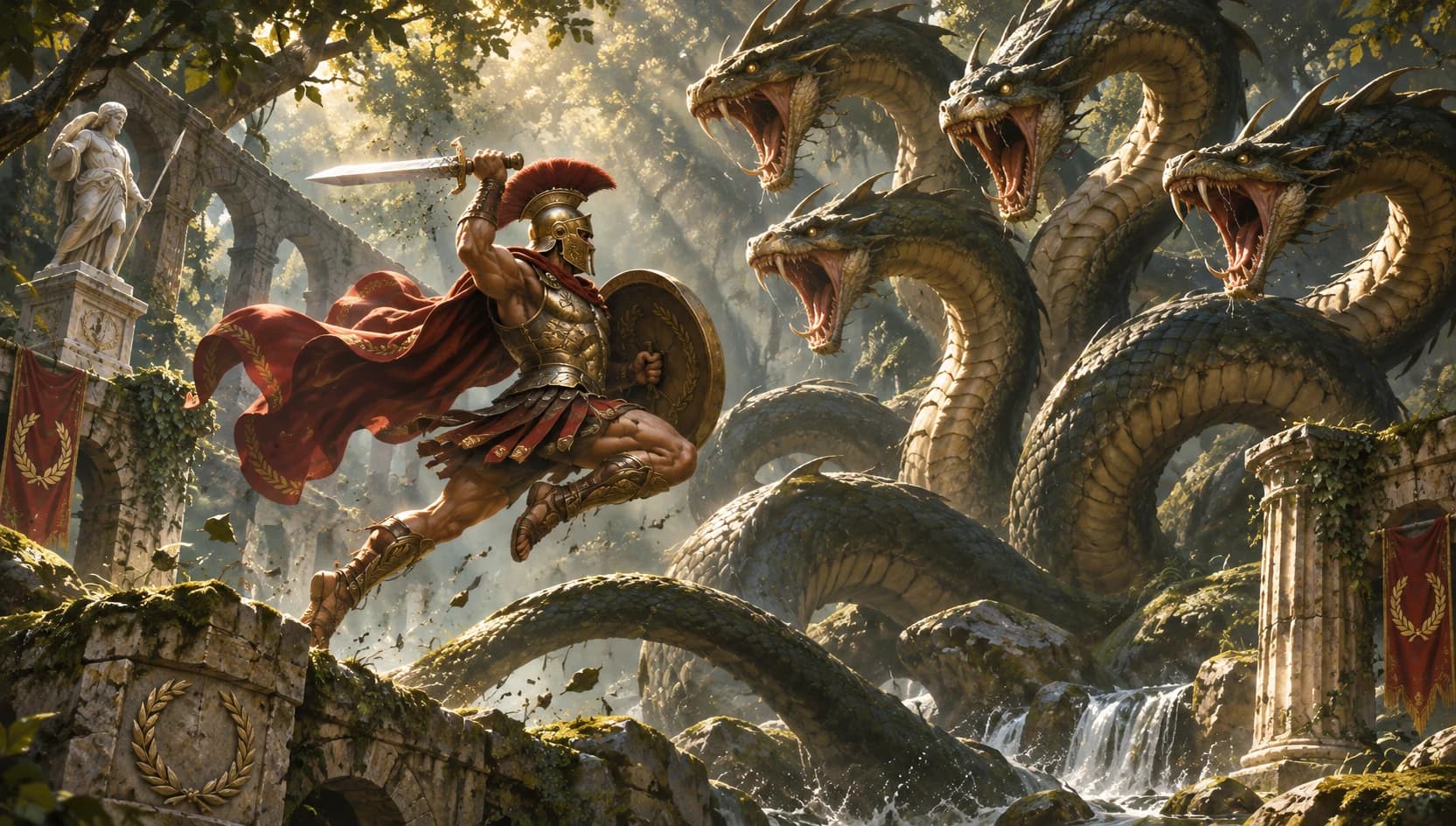
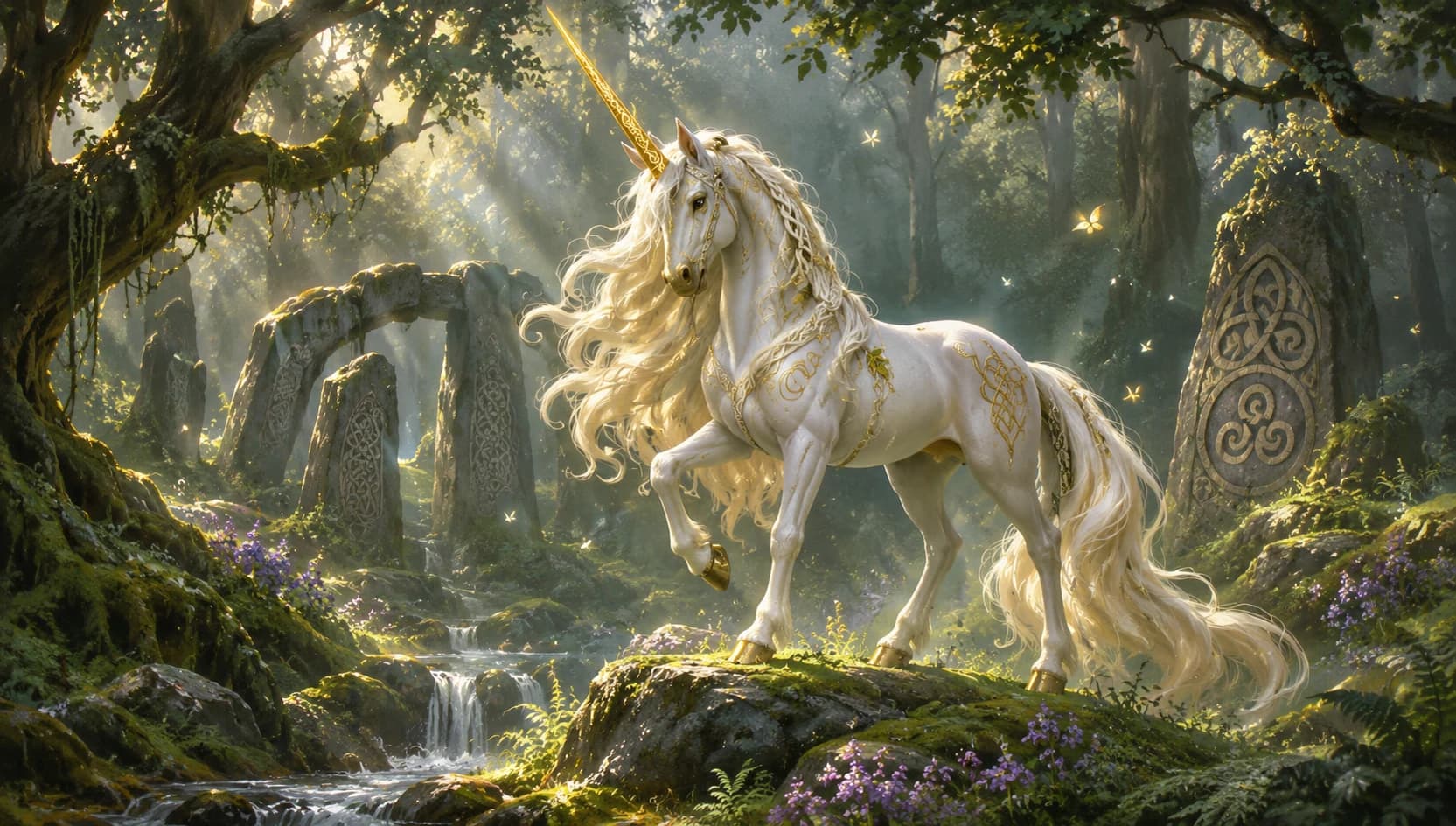
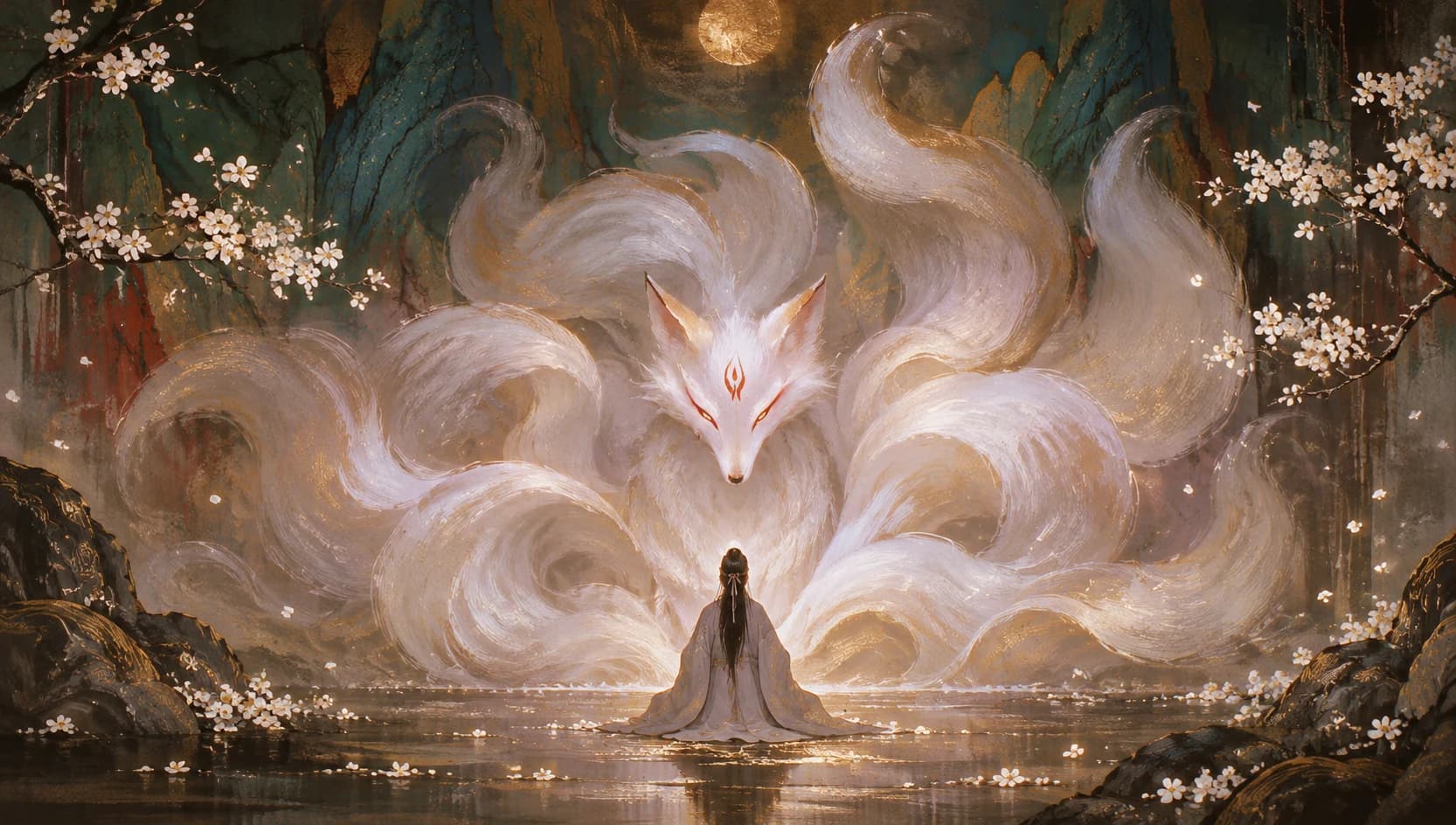
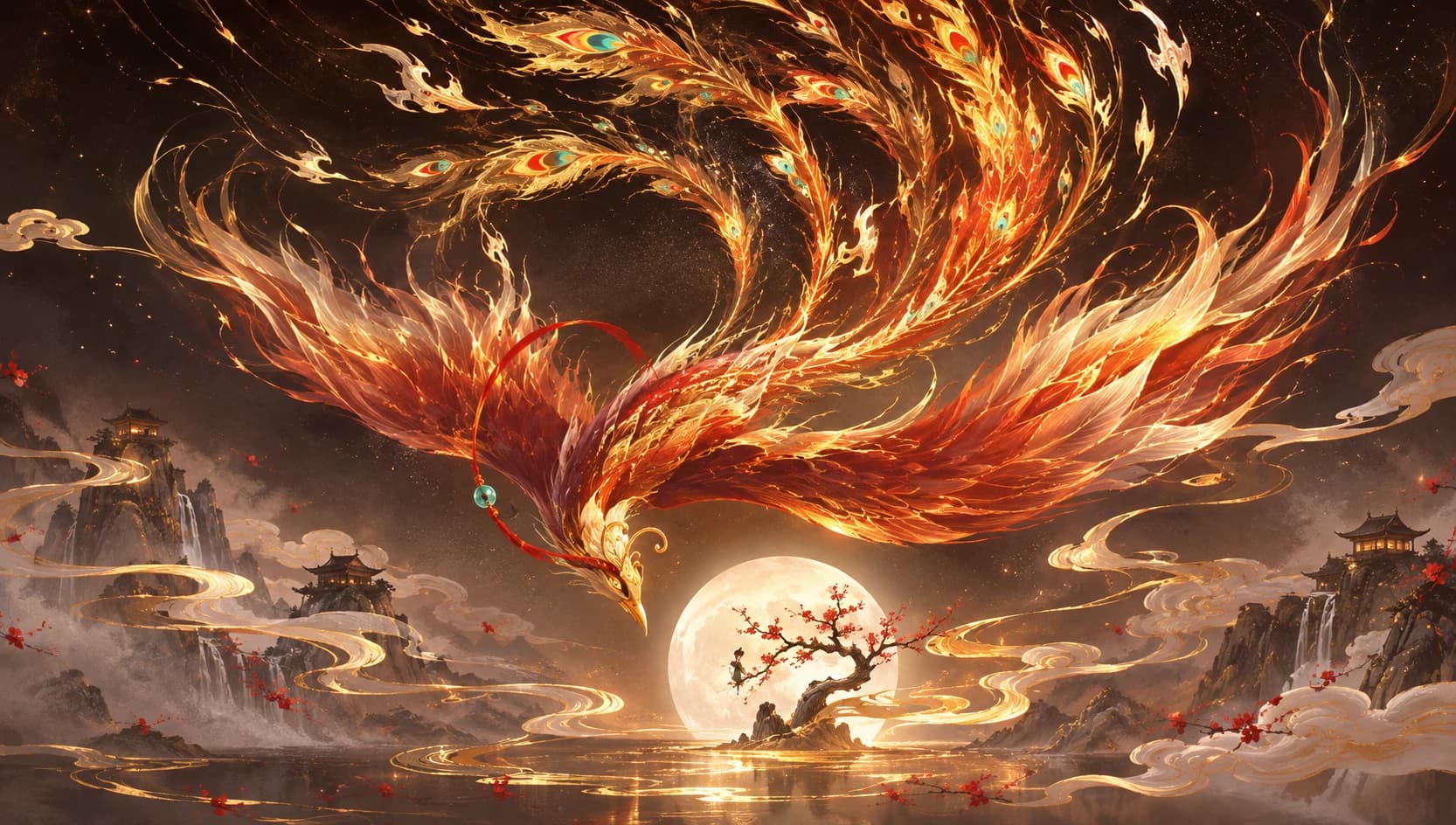
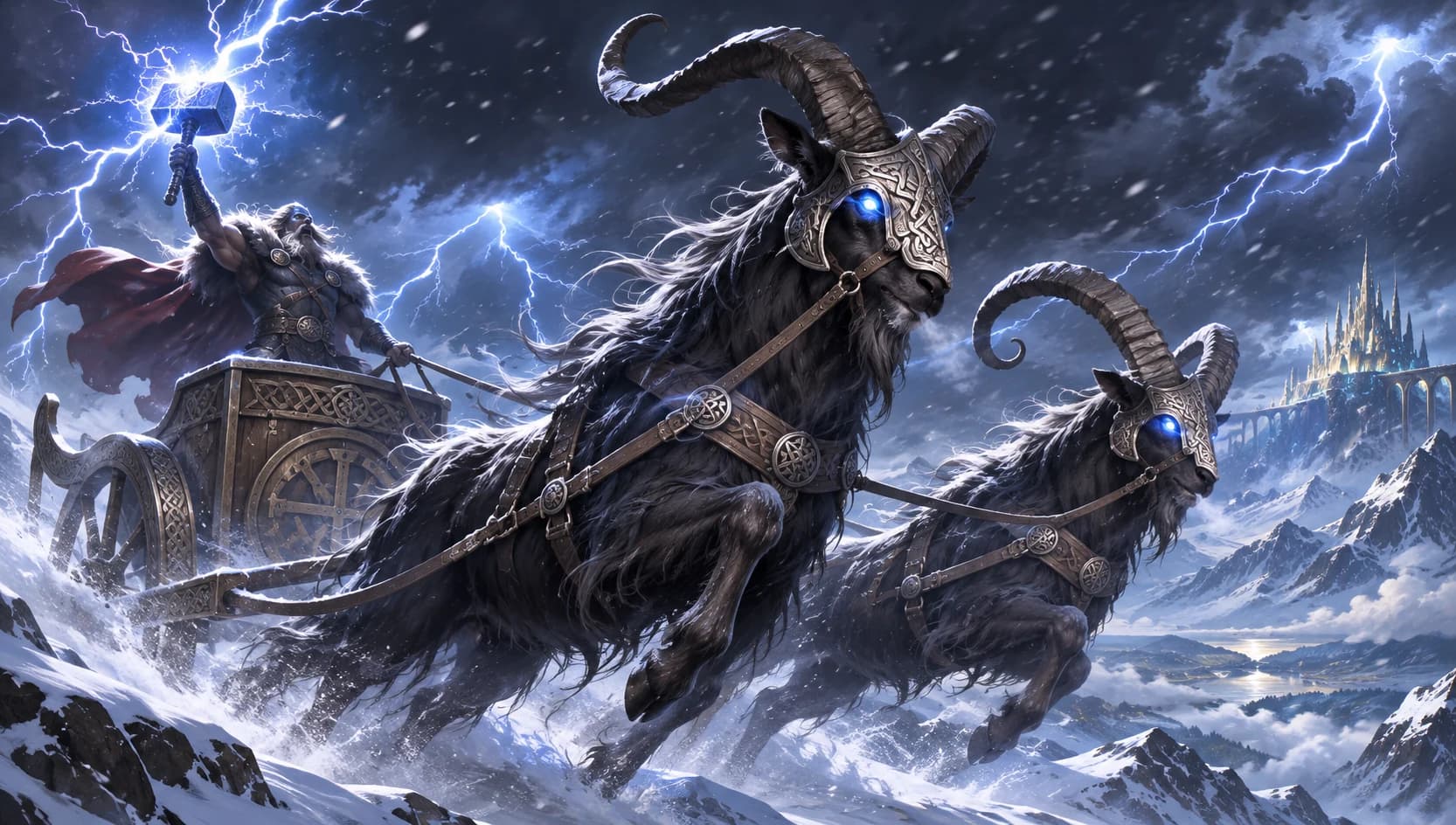
The Mythical Creature Generator offers an original mythic direction. For a tradition-specific starting point, explore the Roman, Celtic, Japanese, Chinese, or Norse mythological creature generator.
Keep the named tradition visible in your notes. Generated abilities, encounters, and story details can be new inventions. If you want to describe an actual belief or traditional story, check that detail against a suitable source rather than treating the generated profile as historical evidence.
Give the creature a reason to be there
Before adding a creature to a bestiary, answer four practical questions:
- What resource, shelter, or condition keeps it in this place?
- What trace lets someone notice it before seeing it?
- What can it do, and what stops that ability from solving every problem?
- Who benefits from its presence, and who wants it gone?
These answers turn an unusual appearance into something that affects the world. A creature that clears a dangerous plant may be protected by farmers and feared by travelers. The disagreement can matter as much as the creature’s strength.
For a deeper design process, use the habitat, ecology, and weakness guidance on the fantasy creature design page.
One species, more than one encounter
Original fictional example: A reed-sifter feeds on floating seeds and clears narrow channels through a marsh. One nesting adult blocks a landing stage. Another follows a fishing boat because its wake exposes food. A third has moved inland after a drainage project destroyed its shelter.
The shared traits stay consistent, but each situation asks something different of the characters. They could redirect a landing, change the boat’s route, or investigate the damaged wetland. You can build several encounters from one species without giving every individual the same behavior or motive.
If the creature is intelligent, give individuals their own goals and relationships. Shared anatomy does not require a single personality, culture, or moral outlook.
Connect the creature with people and places
If the design is ready but the name is missing, try the Monster Name Generator. Keep the traits you have already chosen and adapt the name around them.
Use the worldbuilding generators to explore the surrounding setting, or the character generators to develop someone who protects, studies, fears, or depends on the creature. Those relationships give a bestiary entry a reason to appear in a scene.
Creature generators FAQ
What is the difference between a creature and a monster?
Here, the distinction helps you choose a story purpose. A creature can be wildlife, a companion, or a mystery. A monster tool emphasizes a threat and an encounter. The same being can play different roles in different situations.
Should I create one creature or a whole species?
Start with an individual when the next scene needs one encounter. Develop a species when shared biology, variation, migration, or communities matter to the setting. You can expand the idea later.
Are mythology-inspired results accurate accounts of folklore?
Do not assume every detail is traditional. Keep the source context separate from invented powers, limits, and scenes. Verify specific folklore claims before presenting them as an account of a real tradition.
Do these tools create matching artwork and balanced game statistics?
Treat the written results as creature-design material. Page artwork and type icons do not guarantee a new image matching each result. Add and check game statistics separately for your system and players.
