Start your item worldbuilding with a fantasy weapon
A fantasy item becomes memorable when it changes what someone can do, what they owe, or what they are willing to risk. This category currently starts with one tool: the Fantasy Weapon Generator. Use it to explore a weapon’s materials, history, power, cost, and care, then develop its place in your story.
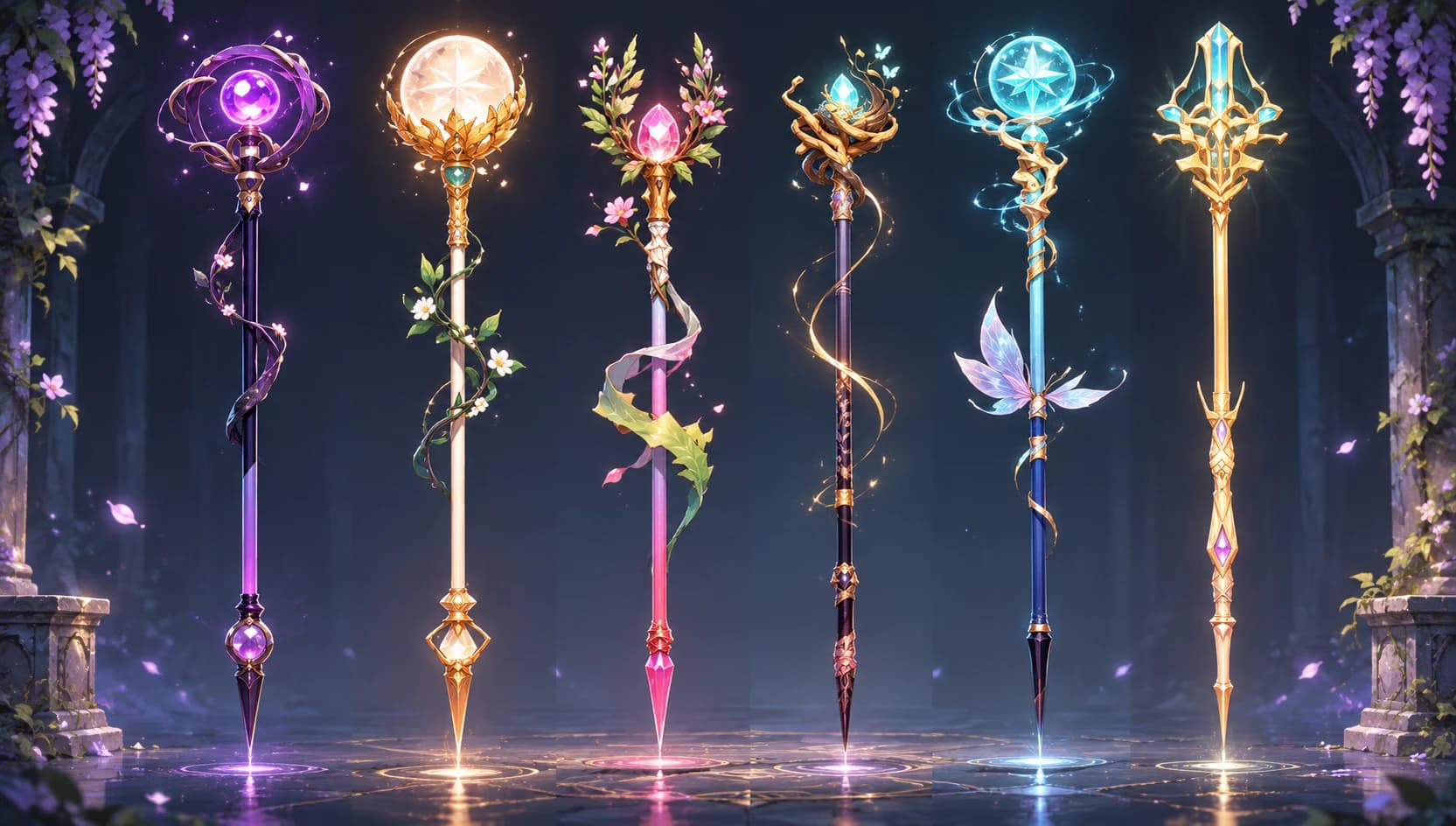
The tool offers blade, staff, and bow starting forms. Choose the form, origin, and power that suit your idea. Keep the linked details that make the object coherent before adding your own history around them.
Give an object a useful power and a meaningful cost
Decide what the power changes
Choose a situation the object makes possible. A weapon that reveals a hidden passage can change a journey. One that protects a companion can change who takes a risk. Describe the effect clearly enough that you know when it matters.
Make the limit affect a choice
A cost should create a decision. A power that needs time to recover may force the bearer to choose when to use it. A gift that depends on a promise can bring an old obligation into the present. Keep the generated power and its linked cost together, then decide how the characters respond.
Let care reveal the world
Who can repair the object? Where do its materials come from? What happens if the bearer neglects it? Maintenance can connect a weapon to craftspeople, trade routes, and local knowledge. A repair visit can become the scene where a forgotten maker’s mark is recognized.
A weapon can create a problem without starting a fight
Original fictional example, written for this guide:
Object: The Lantern Bow has a pale wooden grip, a dark repair line, and a small brass plate carrying the name of its first keeper.
Gift: When its string is drawn, a narrow light reveals the next safe foothold through smoke.
Cost and limit: The light lasts only while the bearer stays still. Someone else must lead people along the route, so the bow cannot solve the rescue alone.
Story choice: A craftsperson recognizes the brass plate and asks for the bow’s return to a family displaced by the fire. Its current bearer must decide whether to surrender it, negotiate a loan, or explain why they still need it.
The scene grows from the object’s use, limitation, and ownership. You can develop a mystery, rescue, inheritance dispute, or negotiation around a weapon without making combat the main event. This example is original fiction, not a claim about a specific generated result.
Questions that turn equipment into lore
- Who made the object, and which visible detail reveals their work?
- Who last carried it, and why did it leave their hands?
- What can it do, and what must the bearer accept to use that gift?
- Who can maintain it, and what would a repair require?
- Who has a different account of its ownership or reputation?
Choose the answers that affect the next scene. You do not need a history of every owner. One disputed promise, missing repair record, or recognizable material can give the object a place in the setting.
For tabletop play, keep the story concept separate from its mechanics. Decide damage, charges, rarity, and other statistics using your game’s rules and the needs of your group.
Connect the object to its people and setting
Develop a bearer, maker, rival, or claimant with the character generators. Give that person a reason to care about the object beyond its power. They might need it returned, repaired, hidden, or destroyed.
Use the worldbuilding generators to explore the place where it was made or found. For a broader reference, the worldbuilding template can help you connect object history with cultures, institutions, and conflict.
Fantasy items and magic FAQ
Does this category include spell, armor, or loot generators?
The current listing is the Fantasy Weapon Generator. There are no separate spell, armor, or loot generators in this category. You can write wider item lore yourself, using the weapon profile as a starting point.
Can I change the weapon’s story or give it a name of my own?
Yes. Keep the details you like and adapt the history to your setting. If you change the power, review its cost and limitation too so the object still creates a clear, consistent choice.
Does the tool produce a complete magic system?
No. A weapon profile gives you one object to develop. You decide whether its abilities follow a wider tradition, an unusual exception, or a rule shared by other objects in your world.
